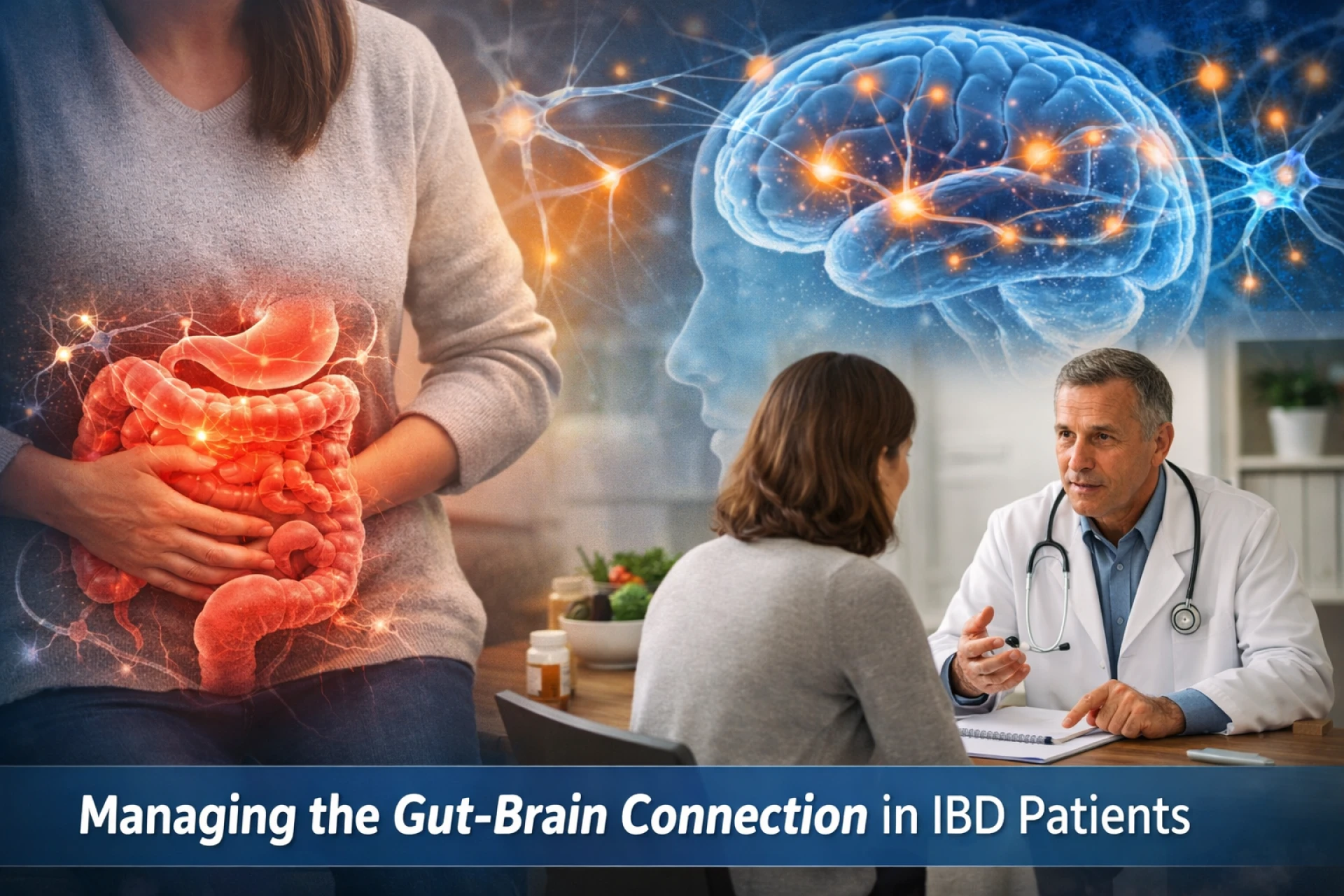

Managing the gut-brain connection is an important part of caring for inflammatory bowel disease (IBD). When stress, anxiety, or depression affect the brain, they can also worsen digestive symptoms, increase discomfort, and make flare-ups harder to manage.
This blog explains how medical treatment, counseling, mindfulness, nutrition, exercise, and microbiome support can work together to improve both gut health and emotional well-being. By understanding this connection, patients and caregivers can take practical steps toward better symptom control and quality of life.
What Is the Gut-Brain Connection in IBD?
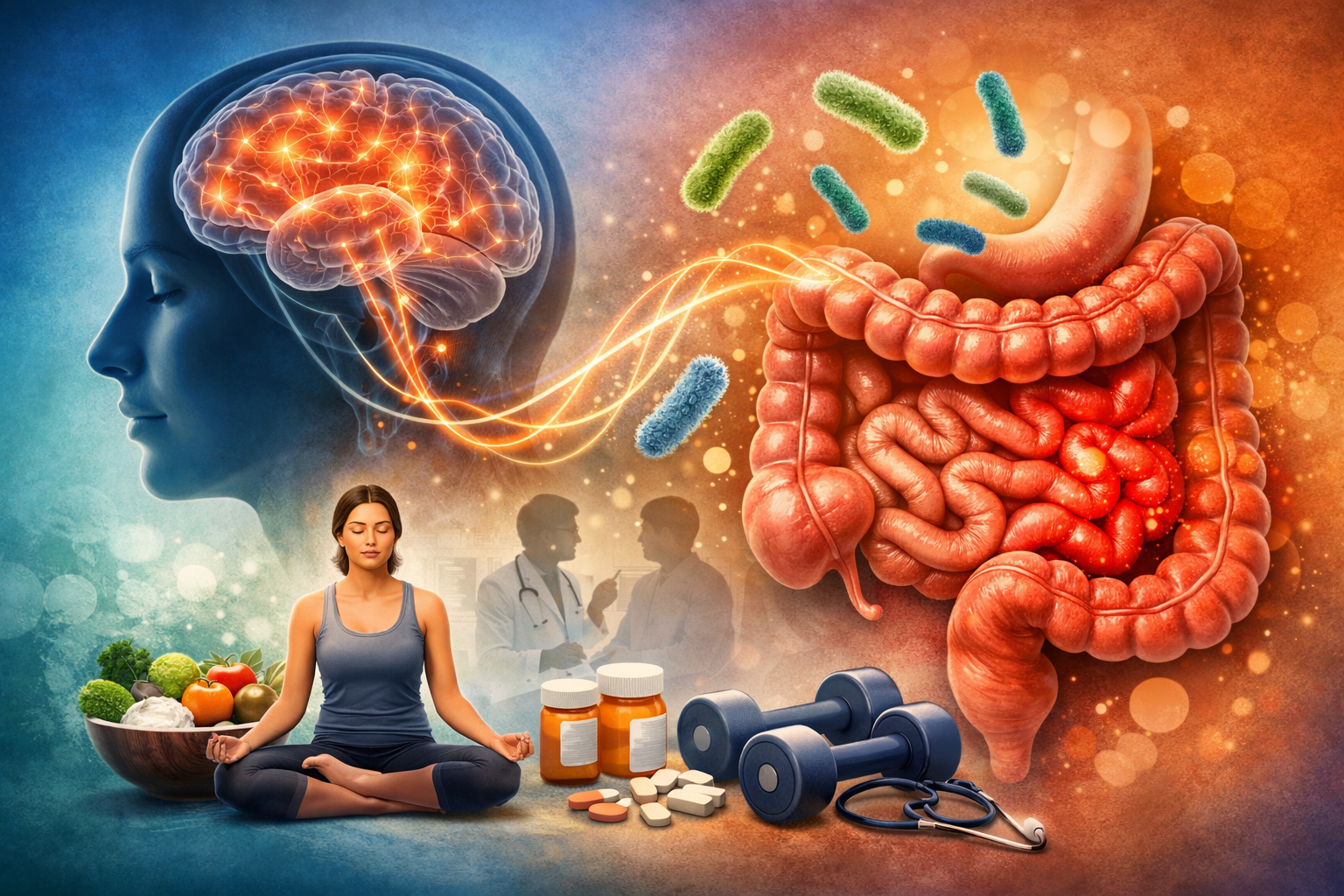
The gut-brain connection in IBD refers to the constant communication between your digestive system and your brain. This communication happens through nerves, hormones, the immune system, and the gut microbiome. In people with inflammatory bowel disease, including Crohn’s disease and ulcerative colitis, this connection can become especially important because both physical inflammation and emotional stress can influence symptoms.
IBD is not simply a digestive condition. It can affect energy levels, sleep, mood, appetite, and daily confidence. At the same time, ongoing pain, urgency, bloating, fatigue, and fear of flare-ups can increase stress and emotional strain. This creates a cycle where mental health challenges worsen gut symptoms, and gut symptoms make mental health harder to manage.
Why Managing the Gut-Brain Axis Matters
When the gut-brain axis is not addressed, patients may feel stuck in a pattern of recurring discomfort. Stress does not cause IBD on its own, but it can make symptoms feel more intense and may contribute to flare-ups in some patients. Anxiety can heighten pain sensitivity, while depression can reduce motivation to follow treatment plans, eat well, stay active, or attend appointments.
Managing the gut-brain axis in IBD patients matters because it can help patients:
- reduce the impact of stress on digestive symptoms
- improve emotional well-being
- support treatment adherence
- strengthen coping skills during flare-ups
- improve overall quality of life
A more complete care plan looks beyond inflammation alone and supports the whole person.
How Stress Affects IBD Symptoms
Stress triggers physical changes in the body. It can alter bowel function, increase muscle tension, affect sleep, and change how the immune system responds. For someone living with IBD, that can mean more abdominal pain, urgency, diarrhea, fatigue, or a stronger awareness of symptoms.
Stress can also affect routines that support symptom control. For example, a patient under stress may skip meals, eat trigger foods, sleep poorly, forget medications, or avoid social activities. Over time, this can make disease management more difficult.
That is why reducing stress is not just about feeling calmer. It is part of supporting better digestive health and more stable daily functioning.
The Role of Medical Treatment
The foundation of IBD care still begins with appropriate medical treatment. Anti-inflammatory medications, biologics, immunosuppressants, and other therapies help control the disease process and reduce intestinal damage. If inflammation is active, it needs to be treated directly.
However, medication works best when it is part of a broader management plan. Patients who understand the gut-brain link are often better prepared to notice how stress, sleep, food choices, and emotional health affect their symptoms. This awareness can lead to earlier conversations with providers and more effective long-term care.
Regular follow-up with a gastroenterologist is essential, especially when symptoms change, flare-ups increase, or treatment no longer feels effective.
How Psychological Support Can Help
Psychological care can play a valuable role in managing the gut-brain connection in IBD patients. Living with a chronic illness can be mentally exhausting, and emotional support should be viewed as part of care, not as a last resort.
Cognitive Behavioral Therapy (CBT)
CBT helps patients recognize thought patterns that may increase stress, fear, or symptom-related anxiety. It teaches practical ways to respond differently to pain, uncertainty, and flare-up concerns. For many patients, CBT can improve coping skills and reduce the emotional burden of IBD.
Mindfulness and Relaxation Techniques
Mindfulness encourages patients to stay present rather than becoming overwhelmed by worry about symptoms or future flare-ups. Breathing exercises, meditation, guided relaxation, and body scans may help reduce stress and promote a greater sense of control.
Support for Anxiety and Depression
Some IBD patients experience anxiety or depression alongside their digestive symptoms. Addressing these concerns through counseling or mental health care can make it easier to manage the physical aspects of the disease as well.
Lifestyle Habits That Support the Gut-Brain Axis
Daily habits can either support or strain the gut-brain axis in inflammatory bowel disease. Small, realistic changes often make a meaningful difference over time.
Nutrition
Food does not affect every IBD patient the same way, but a balanced and personalized eating approach can help support symptom management. Keeping a food and symptom journal may help identify patterns. During flare-ups, some patients may need a different eating plan than during remission.
Working with a gastroenterologist or registered dietitian can help ensure nutritional needs are met without unnecessary restriction.
Exercise
Regular movement can support both mental and digestive health. Gentle to moderate exercise may reduce stress, improve mood, support sleep, and increase energy. Walking, stretching, yoga, or light strength training may be helpful depending on the patient’s condition and energy level.
Sleep
Poor sleep can worsen stress, fatigue, and symptom perception. Building a consistent sleep routine and addressing sleep disruptions can support both emotional balance and physical recovery.
Understanding the Microbiome and Probiotic Support
The gut microbiome plays a major role in the gut-brain connection. These microbes influence digestion, immune activity, and even aspects of mood regulation. In IBD, the microbiome may become imbalanced, which can affect both gut function and overall well-being.
Some patients may benefit from microbiome-focused strategies, including probiotics, but these should not be used casually or seen as a replacement for medical treatment. The effectiveness of probiotics can vary depending on the patient, the strain used, and the type of IBD involved.
Before starting probiotics or supplements, patients should speak with their healthcare provider to make sure the approach is safe and appropriate.
Why a Multidisciplinary Approach Works Best
Managing IBD often requires more than one type of support. A multidisciplinary approach brings together medical care, mental health support, nutrition guidance, and healthy lifestyle strategies. This model helps address both the inflammation in the gut and the emotional stress that can make symptoms harder to manage.
A strong care team may include:
- a gastroenterologist
- a primary care provider
- a mental health professional
- a dietitian
- supportive family members or caregivers
When these pieces work together, patients are more likely to feel heard, supported, and equipped to manage their condition more confidently.
Practical Steps Patients Can Start Taking
Patients do not need to change everything at once. A few manageable steps, along with timely gastrointestinal disease treatment, can help build better control over the gut-brain connection.
- Start by tracking symptoms, stress levels, sleep, and food patterns.
- Be honest with your provider about emotional health, not just digestive symptoms.
- Make time for calming routines, even if only for a few minutes a day.
- Stay consistent with medications and follow-up care.
- Most importantly, do not ignore mental strain just because IBD is considered a physical disease.
Support the Mind, Soothe the Gut, Strengthen Daily Life
Managing the gut-brain connection in IBD patients means treating more than inflammation alone. When medical care, emotional support, lifestyle changes, and microbiome awareness work together, patients can experience better symptom control and a stronger sense of well-being.
If ongoing digestive symptoms, stress, or flare-ups are affecting your daily life, now is a good time to seek professional care. Booking an appointment soon for inflammatory bowel disease treatment in Virginia Beach can help you take the next step toward lasting relief and better long-term health.
Frequently Asked Questions
- Can the gut-brain connection cause "brain fog" in IBD patients?
Yes. Chronic inflammation can disrupt the gut-brain axis, releasing cytokines that affect cognitive function. This often results in "brain fog," characterized by confusion, forgetfulness, and a lack of mental focus during flares.
- How does the vagus nerve influence IBD symptoms?
The vagus nerve acts as the primary "information highway" between the gut and brain. It helps regulate the body’s anti-inflammatory response; when stressed, this communication can falter, potentially worsening intestinal inflammation.
- Is IBD-related anxiety different from general anxiety?
IBD patients often experience "anticipatory anxiety," specifically regarding bathroom access or urgency. This localized stress can trigger a physical "fight-or-flight" response, which directly increases gut motility and further intensifies physical urgency.
- Can improving my sleep help reduce IBD inflammation?
Yes. Sleep and the gut-brain axis are linked via circadian rhythms. Poor sleep can increase pro-inflammatory markers and intestinal permeability, while consistent rest helps regulate the immune system and supports better symptom management.

























Sign in to leave a comment.