
Colorectal cancer is the second leading cause of cancer death among men and women in the United States. The majority of colon cancers can be prevented with proper screening, early detection, and timely removal of polyps.
Screening—especially colonoscopy—helps prevent cancer by finding pre-cancerous polyps so they can be removed before they turn dangerous. Encouragingly, data from national cancer registries reveal a sharp decline in colon cancer rates in adults aged 50 and over, with the American Cancer Society reporting a 30% drop in incidence over three decades, largely due to increased screening.
However, this positive trend doesn’t extend to younger adults. Alarmingly, colon cancer cases in people under 50 have risen by about 2.1% per year between 1992 and 2012. Researchers suspect lifestyle, diet, and environmental factors might be contributing.
Whether you’re in your 20s, 30s, or 40s, it’s vital to understand your risk. If you’re under 50, here’s what you need to know—and what you can do today to protect your health.
Why Is Colorectal Cancer on the Rise Among Young Adults?

The truth is, experts don’t yet know exactly why so many younger adults are being diagnosed with colorectal cancer. What we do know is that about 1 in 5 patients under age 50 carries a hereditary genetic mutation linked to colon cancer.
A family history of colon or rectal cancer also increases risk. But for the remaining majority, researchers believe that lifestyle, diet, gut health, and environmental exposures could all be playing a role—factors still being closely studied.
What Are the Symptoms of Colon Cancer?
Colon cancer can develop silently in its early stages, which is why knowing the warning signs matters. Be alert to any persistent or unusual digestive changes, and contact your doctor if you notice:
- Changes in bowel habits (diarrhea, constipation, or narrow stools)
- Blood in stool or rectal bleeding
- Ongoing abdominal discomfort (cramps, gas, or pain)
- Unexplained weight loss
- Weakness or fatigue
How Does Colon Cancer Affect People Younger Than 50?

Colon cancer in younger adults often presents at a more advanced stage because it’s unexpected, and symptoms are mistaken for minor issues like hemorrhoids or IBS.
Younger patients tend to have more aggressive tumor types, and delays in diagnosis can lead to poorer outcomes. Beyond the physical toll, there’s an emotional burden—balancing work, family, and treatments at a younger age can be overwhelming.
This makes awareness, early recognition, timely screening, and adequate gastroenterology tests and procedures absolutely critical for people under 50.
What Is the Right Age for Colon Cancer Screening?
While colon cancer screening traditionally began at age 50, updated guidelines now recommend starting earlier for most people.
- It is advised to start screening at age 45.
- If you have a family history of colon cancer or polyps, earlier screening may be necessary.
- Individuals with inflammatory bowel conditions like Crohn’s disease or ulcerative colitis may also need earlier evaluation.
The best age to start depends on your personal and family health history, so have an open conversation with your physician to decide what’s right for you.
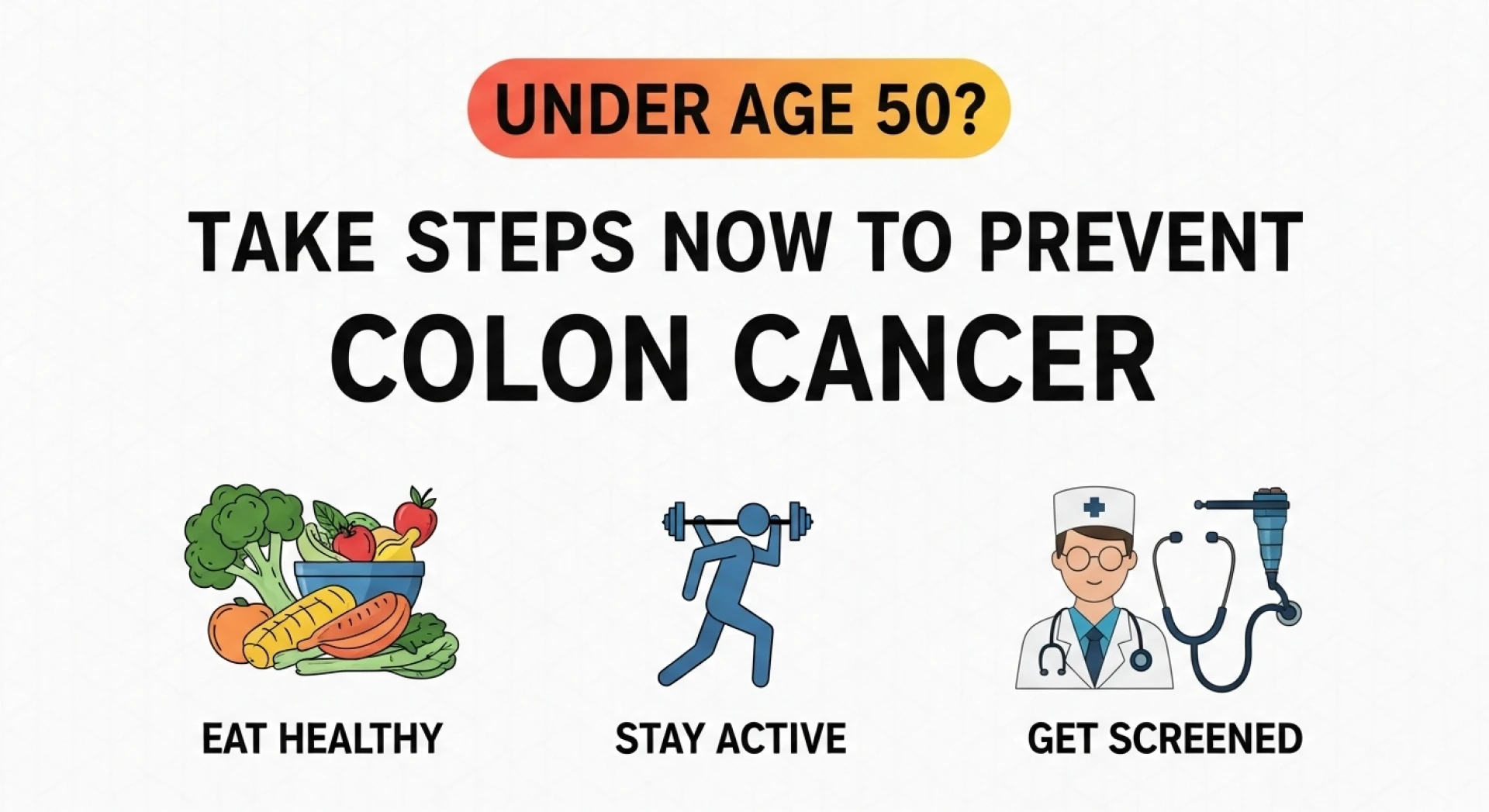
What Steps Can You Take to Prevent Colon Cancer While Under 50?
1. Eat a Gut-Healthy Diet
Your gut health plays a major role in cancer prevention. Focus on a diet rich in fiber, fruits, vegetables, whole grains, and lean proteins. Limit processed and red meats, sugary snacks, and fried foods. Add probiotic-rich foods like yogurt or fermented veggies to support your gut microbiome. A healthy gut supports better digestion, reduces inflammation, and may help lower your risk of colon cancer.
2. If You Are Overweight, Try to Lose Weight
Excess body fat can raise inflammation levels and alter hormone balance, both of which increase your risk of colorectal cancer. Even losing a modest amount of weight—5 to 10% of your body weight—can improve metabolic health. Combine a nutritious diet with regular physical activity and portion control. The goal isn’t perfection—it’s consistency and creating healthier habits over time that support long-term wellness.
3. Adopt Healthier Lifestyle Habits
If you smoke, quitting is one of the best decisions you can make for your colon and overall health. Smoking contributes to DNA damage and polyp formation. Likewise, limit alcohol consumption—heavy drinking has been linked to increased cancer risk. Replacing these habits with healthier alternatives, such as meditation, exercise, or hobbies, helps your body recover, reduces inflammation, and significantly lowers your risk for many chronic diseases.
4. Listen to Your Body—and Respond
Your body often sends subtle warning signs—don’t ignore them. Persistent bloating, fatigue, or changes in bowel habits may indicate something deeper. Keep track of symptoms, no matter how minor they seem, and discuss them with your doctor. Early evaluation can mean the difference between catching precancerous changes and facing advanced disease. Trust your instincts—no one knows your body better than you.
5. Stay Hydrated
Water is essential for digestion and keeping your colon healthy. Staying hydrated helps waste move efficiently through your intestines, preventing constipation and reducing toxin buildup. Aim for at least 8 glasses of water daily, and more if you’re active. Limiting sugary and caffeinated beverages also helps maintain fluid balance and gut health. A well-hydrated body supports regularity, improves energy, and keeps your digestive system functioning optimally.
6. Increase Physical Activity
Regular exercise reduces colon cancer risk by improving digestion, boosting circulation, and reducing inflammation. It also helps maintain a healthy weight and supports immune function. You don’t need to run marathons—even 30 minutes of brisk walking, cycling, or dancing five times a week can make a big difference. The key is staying consistent and making movement a natural part of your daily life.
7. Get Screened at 45, or Younger if You’re at Risk
Screening saves lives by detecting polyps before they become cancerous. The American Cancer Society now recommends starting screening at age 45—or earlier if you have risk factors such as family history or genetic predisposition. Tests like colonoscopy or stool-based screenings can catch problems early. If you’re unsure when to begin, talk to your healthcare provider—starting early could be the most important step you take for your health.
What Are the Treatment Options for Colon Cancer?
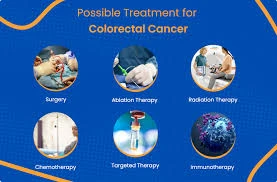
The best is to practice colon cancer prevention measures, as surgery remains the primary treatment for colon cancer. However, there are many other treatments also available that can help manage the condition.
- Polypectomy: Removes small cancerous polyps during colonoscopy.
- Partial colectomy: Removes the affected colon segment and reconnects the healthy ends.
- Colostomy with resection: If reconnection isn’t possible, waste exits through an abdominal opening into a collection bag.
- Radiofrequency ablation: Destroys cancer cells using targeted heat energy.
Often, surgery is paired with chemotherapy or targeted therapies—treatments designed to destroy remaining cancer cells or stop their growth. Doctors may use these before or after surgery or for cancers that have spread.
Frequently Asked Questions
What are the early signs of colon cancer?
Persistent bowel changes, blood in stool, unexplained weight loss, or ongoing fatigue should prompt a doctor’s visit.
What are the survival rates for colon cancer?
When detected early, the five-year survival rate is over 90%, emphasizing the importance of screening and early diagnosis.
I have colon cancer. How do I take care of myself?
Follow your treatment plan, eat nourishing foods, stay active, and lean on emotional support systems. Regular checkups are crucial.
When is the right time to consult a specialist?
See a gastroenterologist immediately if you notice digestive changes or have a family history of colorectal cancer.
How do I know if my colon is okay?
The best assurance comes from screening tests like colonoscopy, which detect polyps and early changes before symptoms appear.
Final Words
Taking care of your gut health today can help prevent colon cancer tomorrow. Whether you’re 30, 40, or nearing 50, healthy lifestyle choices and early screening can make a lasting difference.
If you notice unusual digestive symptoms or have risk factors, don’t delay! Schedule a colonoscopy with a qualified gastroenterologist for guidance. Your health is in your hands, and prevention truly starts now.












Sign in to leave a comment.