

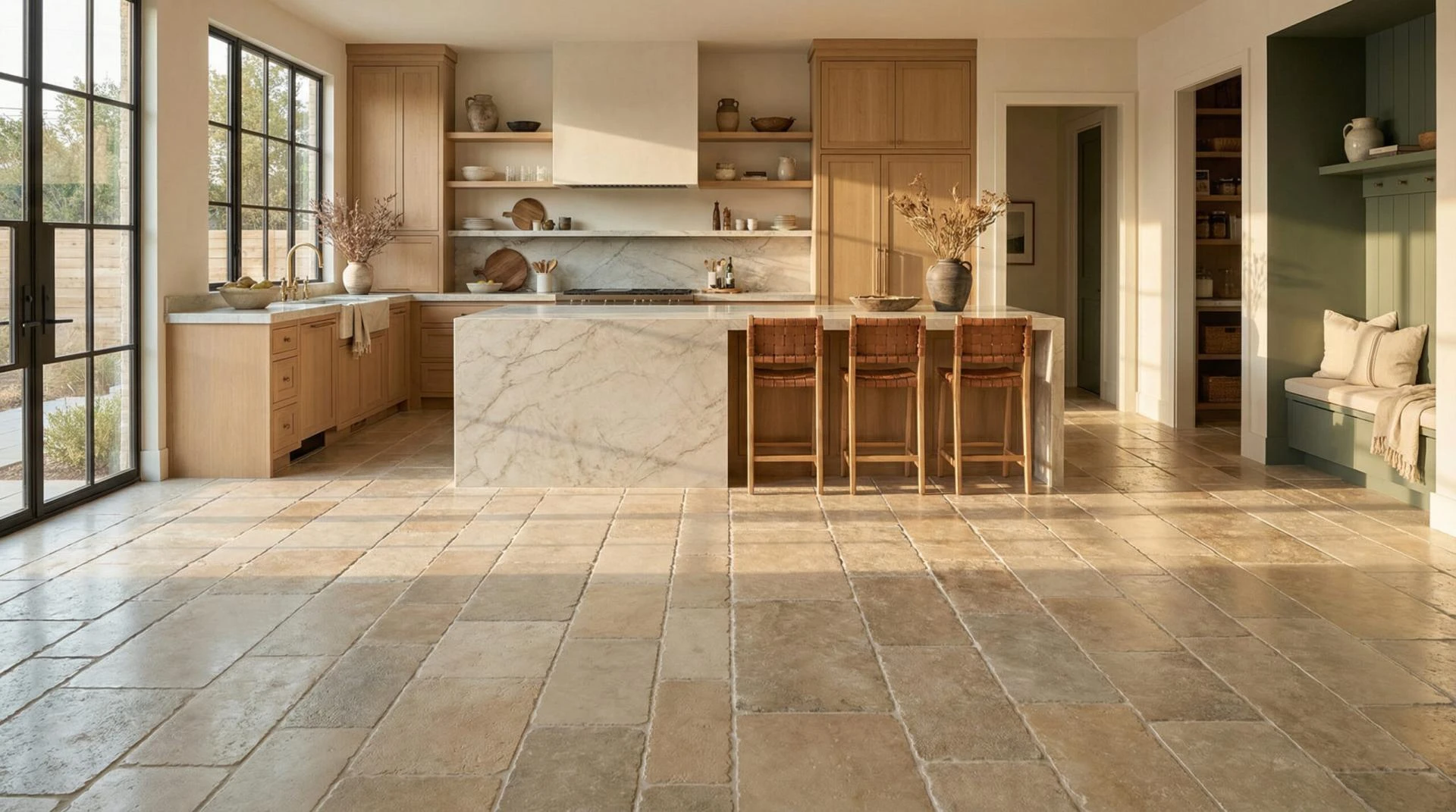
Choosing the right flooring for a kitchen requires a perfect balance between aesthetic appeal and functional durability, which is why many homeowners look to a professional marble exporter in India to source premium natural stone for their renovation projects. While marble is synonymous with luxury and timeless elegance, the kitchen environment presents unique challenges including spills, heat, and heavy foot traffic. Before you finalize your selection, it is crucial to understand how to balance the beauty of natural stone with the practical demands of a culinary workspace.
Evaluating Porosity and Maintenance Requirements
Marble is a metamorphic rock, which inherently makes it porous compared to synthetic flooring options like porcelain or ceramic tiles. In a kitchen, where liquids such as oils, lemon juice, and wine are frequently present, this porosity means the stone is susceptible to staining if not treated correctly. To ensure longevity, your chosen material must be professionally sealed during installation. High-quality stone typically demands a regular maintenance schedule, including resealing every six to twelve months, to maintain its pristine appearance and prevent moisture absorption.
Understanding Traffic and Durability in Culinary Spaces
Kitchens serve as the high-traffic heart of the home, necessitating a stone selection that can withstand daily wear and tear. When selecting high-end surfaces, such as the sophisticated Mercury Black Marble in India, you should consider the finish of the stone. A honed or matte finish is often preferred in kitchens over a polished surface because it is less prone to showing visible scratches and etch marks. While marble is softer than granite, its ability to be periodically refinished and polished back to its original luster makes it a sustainable long-term investment for luxury kitchen designs.
Aesthetic Considerations and Design Integration
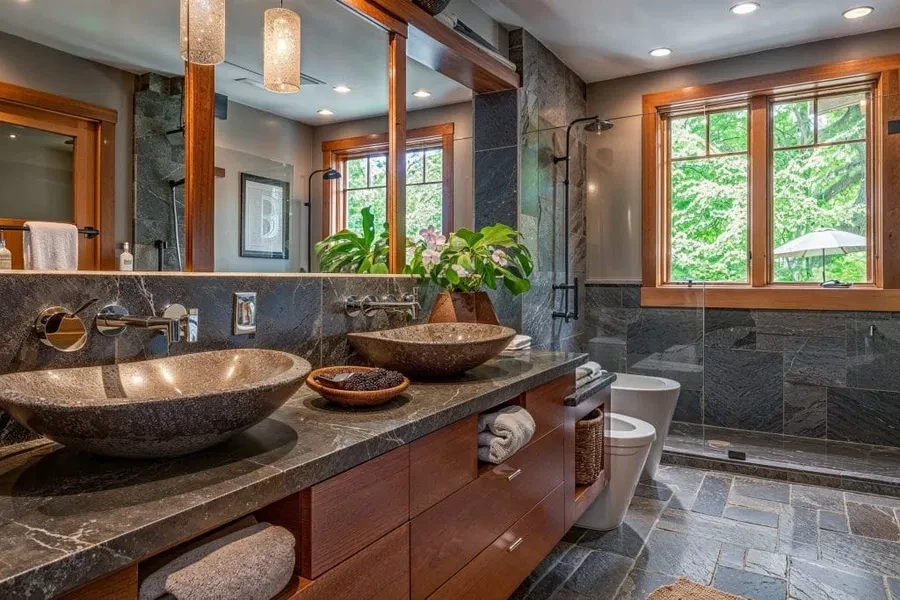
The visual impact of marble in a kitchen is unparalleled, providing a sophisticated foundation that elevates the entire interior design. Whether you are aiming for a classic monochromatic look or a bold, dramatic aesthetic, the choice of veining and color patterns is paramount. For those seeking depth and character, integrating Magic Black Marble in India into your floor layout provides a striking contrast that complements modern cabinetry and metallic hardware accents. When planning your installation, ensure that the slab selection reflects the natural light available in your kitchen, as darker stones may require strategic artificial lighting to highlight their intricate patterns fully.
Analyzing Etching vs. Staining
A critical distinction for homeowners to grasp is the difference between staining and etching. Staining occurs when liquids penetrate the stone's pores, whereas etching happens when acidic substances react chemically with the calcium carbonate in the marble, dulling the surface. Citrus juices, vinegar, and certain cleaning agents are the primary culprits behind etching. By selecting a darker, highly durable variety of stone, the visual impact of accidental etching is significantly minimized. It is also advisable to use coasters and cutting boards consistently to protect the integrity of the surface.
Slip Resistance and Safety Standards
Safety is a non-negotiable factor when selecting kitchen flooring. Because kitchens are prone to accidental water spills, the coefficient of friction of your flooring material is essential. Smooth, polished surfaces can become dangerously slick when wet. Opting for a brushed, sandblasted, or leathered texture provides better grip and safety without sacrificing the natural beauty of the stone. Discussing these textural options with your supplier ensures that your flooring meets both your stylistic desires and household safety requirements.
Professional Installation and Subfloor Preparation
The longevity of a marble floor is heavily dependent on the quality of the installation. Marble requires a rigid, level subfloor to prevent cracking under the weight of appliances and heavy kitchen islands. Because stone tiles are heavy and unforgiving, professional installation is necessary to ensure proper layout, grout selection, and color matching. A skilled installer will also account for the natural variations in the stone, blending pieces to create a cohesive flow across the kitchen floor. Proper thin-set mortar selection is equally vital, as certain adhesives can cause staining if they are not compatible with natural stone.
Long-term Value and Investment Perspective
Investing in premium stone flooring is an aesthetic decision that frequently increases the resale value of a property. While the initial costs of acquisition and professional installation are higher than engineered alternatives, the ability to restore the stone ensures it remains a permanent fixture of the home. By understanding the specific care requirements and selecting the appropriate finish for your lifestyle, you ensure that your kitchen floor remains a timeless centerpiece for decades to come. Taking the time to evaluate these factors—from porosity and finish to safety and installation—is the hallmark of a successful and enduring kitchen design project.



























Sign in to leave a comment.