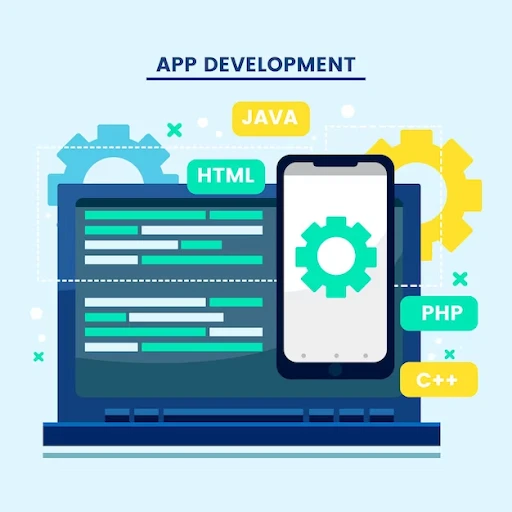

In the ever-evolving realm of iOS app development, having a firm grasp of fundamental programming languages is just the beginning. To truly excel, developers must explore advanced techniques across various languages. From Swift's modern elegance to Objective-C's legacy, and even delving into cross-platform options, the journey towards mastery is multifaceted. This article delves deeper into the strategies that empower developers to create exceptional iOS applications.
The Power of Swift in iOS App Development
Swift, Apple's groundbreaking programming language, is at the forefront of modern custom mobile app development. Its advanced features pave the way for efficiency, flexibility, and innovation. Let's explore some key facets:
Concurrency in Swift:
The modern world demands responsive applications. Swift meets this challenge with concurrency support, enabling developers to create apps that juggle multiple tasks seamlessly. Through concepts like async/await and structured concurrency, developers can create smoother user experiences and harness the full potential of modern devices.
Swift Package Manager (SPM):
Dependency management is a crucial aspect of any development project. Swift Package Manager simplifies this process, making it easier to integrate third-party libraries and streamline the app's architecture. This advanced tool saves developers time and enhances the overall development process.
Protocol-Oriented Programming (POP):
Swift encourages the use of protocols to create flexible and reusable code components. This advanced technique allows developers to craft more modular and maintainable codebases, leading to enhanced collaboration and scalability.
Advanced Debugging:
Swift equips developers with advanced debugging tools such as LLDB and runtime introspection. These tools help identify and resolve issues more efficiently, leading to higher-quality code and smoother app experiences.
Leveraging Objective-C's Legacy
While Swift takes the spotlight, Objective-C's legacy continues to play a crucial role in the iOS ecosystem. Understanding its intricacies can provide developers with unique insights and opportunities:
Interoperability:
Swift and Objective-C are not mutually exclusive. They can coexist within the same project, allowing developers to leverage existing Objective-C code while adopting Swift's modern syntax. This interoperability is vital for maintaining and evolving legacy applications.
Dynamic Runtime:
Objective-C's dynamic runtime allows developers to perform tasks such as method swizzling, enabling runtime customization and extension of classes. This advanced technique is particularly useful for implementing features that require manipulation of class behavior at runtime.
Cocoa Touch Mastery:
To create exceptional iOS applications, a deep understanding of Cocoa Touch is essential. Many UIKit components and APIs are rooted in Objective-C, making it vital for crafting sophisticated and interactive user interfaces that resonate with users.
Exploring Cross-Platform Options
Diversifying one's skill set to include cross-platform development frameworks opens doors to a wider audience. While these frameworks may not be exclusive to iOS, they enable developers to extend their reach beyond the Apple ecosystem:
React Native:
Developed by Facebook, React Native empowers developers to build native-like apps using JavaScript and React. With a single codebase, developers can create apps that run on both iOS and Android platforms, saving time and resources.
Flutter's Allure:
Google's Flutter, fueled by the Dart programming language, offers a unique approach to building apps. In Flutter app development its customizable widgets and hot reload feature provide a rapid iteration cycle, allowing developers to experiment and iterate efficiently.
Xamarin's Versatility:
Xamarin, owned by Microsoft, utilizes the C# programming language. This cross-platform app development framework enables developers to use their existing skills to create iOS apps, which can be particularly advantageous for those already familiar with C#.
Pushing the Boundaries with Advanced Graphics
In the visually-driven world of app development, advanced graphics techniques are a potent tool for creating engaging user experiences:
Metal Framework's Power:
Apple's Metal framework provides low-level access to the GPU, enabling developers to craft graphics-intensive applications with unparalleled performance. This is especially beneficial for gaming and apps with complex visual effects.
Mastering Core Animation:
Core Animation is a cornerstone of captivating user interfaces. By delving deep into its features, developers can create smooth animations, seamlessly transitioning between different states of the app and enhancing the overall user experience.
Unlocking AR with ARKit and SceneKit:
Augmented Reality (AR) is a rapidly expanding field. Apple's ARKit and SceneKit offer powerful tools for creating immersive AR experiences. Developing proficiency in these frameworks empowers developers to create groundbreaking applications that bridge the digital and physical worlds.
Collaborating for Success: When to Hire iOS App Developers
While individual expertise is invaluable, there are instances where collaboration becomes the secret ingredient for success:
Navigating Complexity:
Complex app concepts often require diverse skill sets. In such cases, hiring iOS app developers with complementary skills ensures that every aspect of the project is handled expertly.
Meeting Deadlines:
Time-sensitive projects can benefit from a team effort. Additional developers can distribute the workload, ensuring that tight deadlines are met without compromising quality.
Specialized Expertise:
When a project demands skills that are beyond your current skill set, hiring specialists can bring a wealth of expertise to the table. Whether it's advanced graphics, machine learning, or AR development, specialists can elevate the quality of your app.
Scalability Solutions:
As an app gains popularity, scalability becomes a crucial consideration. Experienced iOS app developers can design architectures that accommodate growth and ensure the app's performance remains top-notch.
H5: Conclusion
In the dynamic world of iOS app development, mastering advanced techniques involves embracing the multi-linguistic landscape of programming languages. From Swift to Objective-C and beyond, each language offers unique avenues for innovation. By exploring cross-platform frameworks and pushing the boundaries of graphics, developers can craft apps that captivate and engage users.
Furthermore, recognizing the value of collaboration and knowing when to hire iOS app developers are essential for achieving unparalleled success. Whether it's for tackling complexity, meeting deadlines, leveraging specialized expertise, or ensuring scalability, collaborative efforts can amplify the impact of your app development journey.
As you embark on your path to mastery, remember that it's the fusion of skills, techniques, and collaboration that truly sets you apart in the competitive realm of iOS app development. So, embrace the challenge, expand your horizons, and elevate your creations to new heights of excellence.






















Sign in to leave a comment.