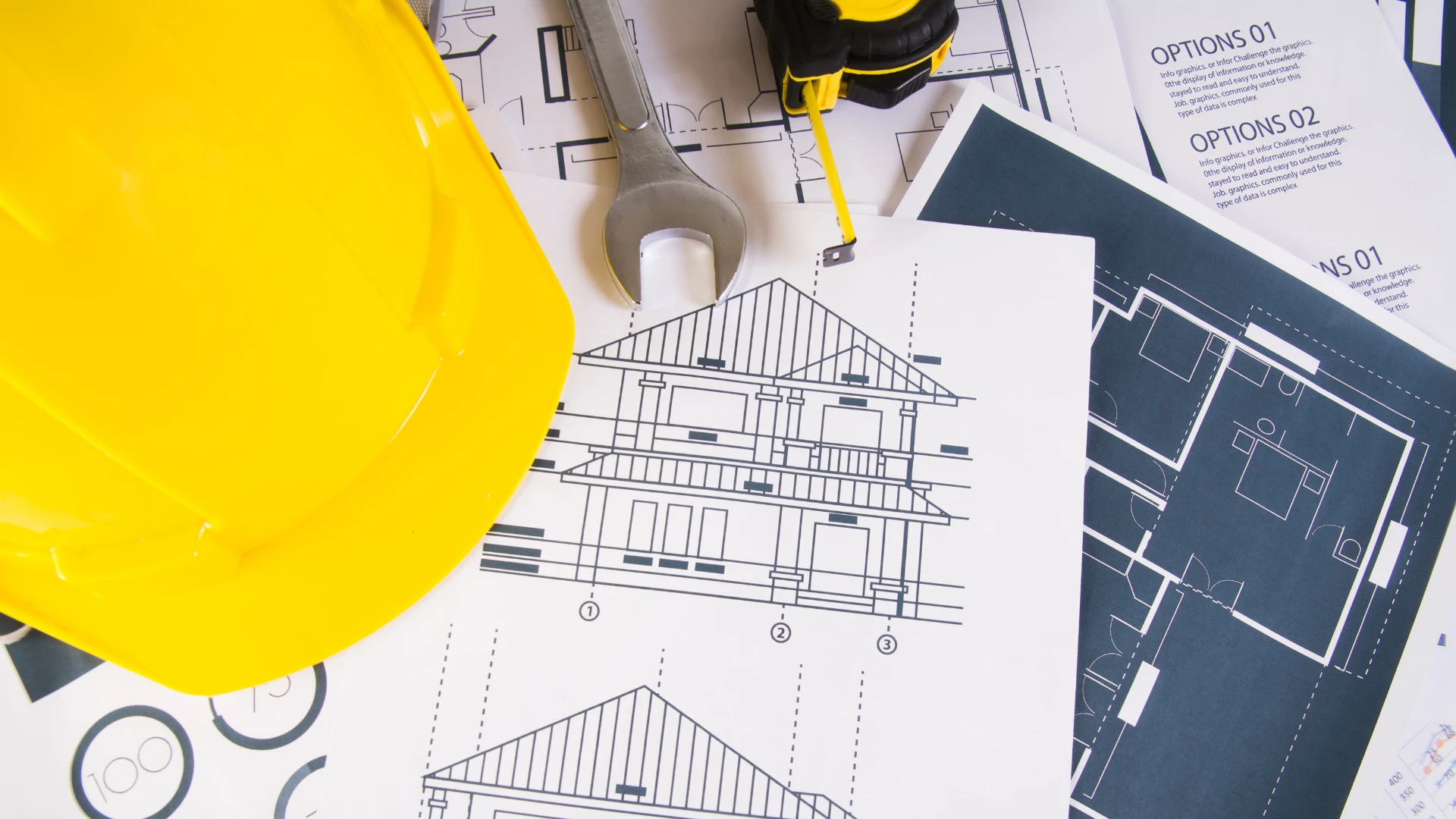

Construction projects on a grand scale demand precision and foresight. Complex undertakings, such as skyscrapers, bridges, or expansive infrastructure developments, rely on meticulous planning to avoid costly errors. Construction documentation services emerge as the backbone of these endeavors, providing the essential framework that guides every phase from conception to handover. These services encompass the creation, management, and updating of critical documents that capture design intent, regulatory requirements, and construction methodologies.
In an industry where timelines tighten and budgets stretch, the value of comprehensive documentation cannot be overstated. Professionals in construction documentation services employ advanced tools and standards to produce blueprints, specifications, and schedules that foster collaboration among stakeholders. This approach not only mitigates disputes but also enhances safety protocols and quality assurance. For instance, in large-scale projects, detailed records help track changes, ensuring that all parties remain aligned despite evolving site conditions or design revisions.
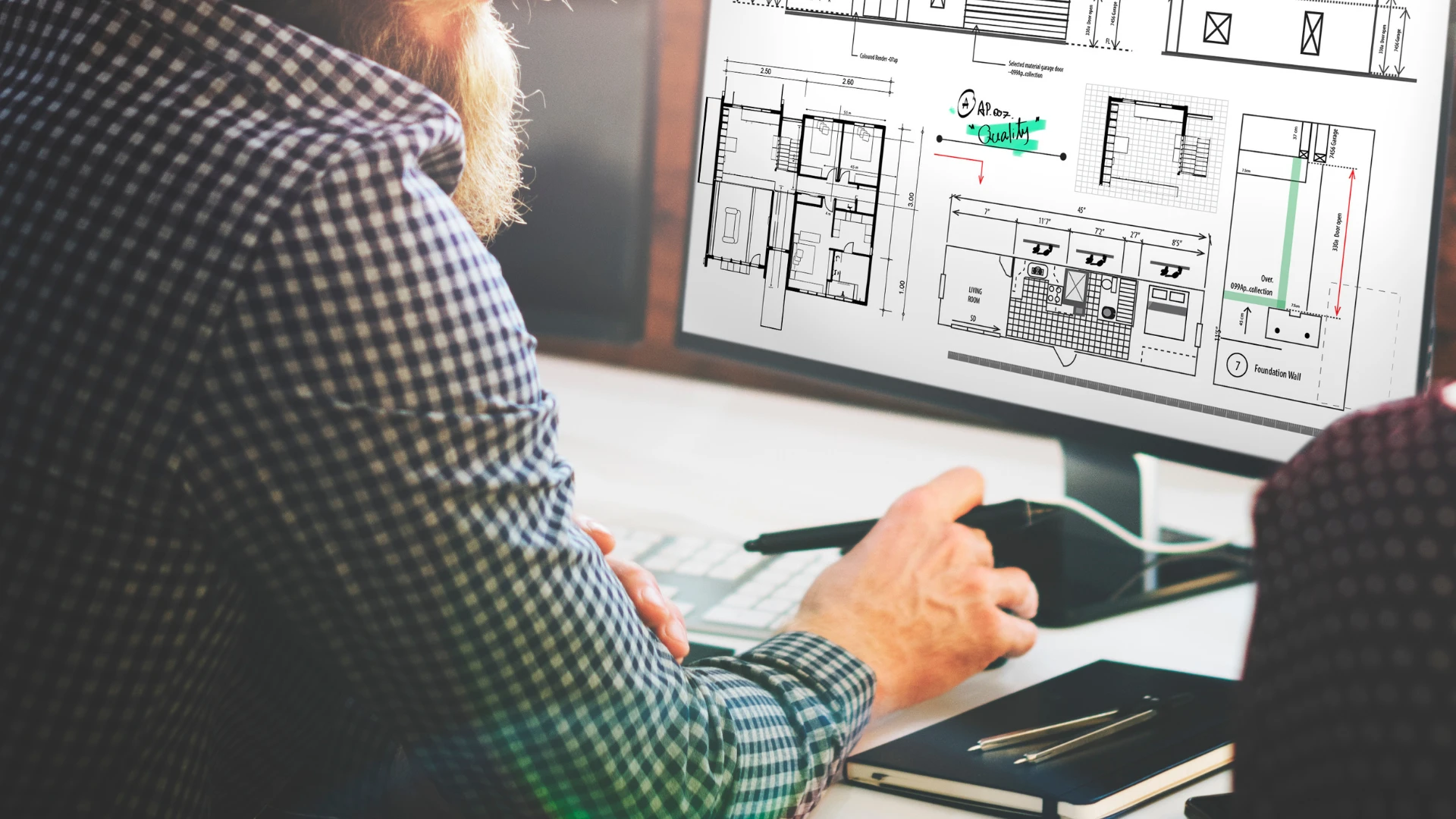
The evolution of construction documentation services reflects broader technological advancements in the field. Digital platforms now integrate 3D modeling and cloud-based sharing, transforming traditional paper-based systems into dynamic, accessible repositories. This shift enables real-time updates and remote access, crucial for teams spread across global locations. As projects grow in complexity, these services adapt to incorporate sustainability metrics, cost analyses, and performance benchmarks, setting the stage for successful outcomes in ambitious builds.
Essential Role in Project Success
Construction documentation services form the core of effective project management for intricate ventures. These services ensure that every aspect of a design translates accurately into built reality. Architects and engineers depend on precise drawings and reports to communicate visions clearly, reducing ambiguities that could lead to rework or delays.
Key elements include site plans, elevations, and sections, all crafted with attention to detail. Specifications outline materials, standards, and installation methods, while schedules coordinate timelines and resources. In large-scale projects, these documents serve as legal safeguards, documenting compliance with building codes and environmental regulations.
Key Components of Effective Documentation
Blueprints and drawings represent foundational tools in construction documentation services. These visual aids depict structural elements, mechanical systems, and electrical layouts with exact measurements. Advanced software like BIM (Building Information Modeling) elevates this process, allowing for interactive models that simulate real-world performance.
Specifications and contracts complement the visuals by detailing quality expectations and procurement guidelines. These texts specify tolerances, warranties, and testing procedures, ensuring uniformity across the project. For complex projects, integrating these with risk assessments identifies potential issues early, promoting proactive resolutions.
Progress reports and as-built records track the journey from start to finish. These ongoing documents capture modifications, inspections, and milestones, providing a historical reference that aids in maintenance and future expansions. In large-scale scenarios, such records prove invaluable for audits and dispute resolutions.
Benefits for Stakeholders
Enhanced collaboration stands out as a primary advantage of robust construction documentation services. Teams access shared platforms where updates occur seamlessly, fostering transparency and reducing miscommunications. Contractors benefit from clear instructions that streamline workflows, while owners gain confidence in project viability through detailed cost projections.
Risk reduction emerges as another critical benefit. Thorough documentation anticipates challenges like material shortages or regulatory hurdles, allowing for contingency planning. This foresight minimizes financial overruns and schedule slips, common pitfalls in expansive projects.
Sustainability integration further amplifies the impact. Construction documentation services incorporate green building standards, tracking energy efficiency and waste management. This not only meets modern environmental demands but also qualifies projects for certifications that enhance market value.
Overcoming Common Challenges
Large-scale projects often face documentation overload, where volume overwhelms accessibility. Construction documentation services address this through organized digital archives and search functionalities, ensuring quick retrieval of information.
Integration of multidisciplinary inputs poses another hurdle. Architects, engineers, and subcontractors contribute diverse data, risking inconsistencies. Standardized templates and review protocols within these services maintain coherence and accuracy.
Adapting to changes mid-project requires agile documentation practices. Services that employ version control and automated notifications keep all parties informed, preventing outdated information from derailing progress.
Best Practices for Implementation
Adopt standardized formats early in the project lifecycle. Construction documentation services thrive on consistency, using industry templates like those from AIA (American Institute of Architects) to ensure compatibility.
Leverage technology for efficiency. Tools such as AutoCAD or Revit automate drafting, while cloud solutions like Procore facilitate real-time collaboration. Training teams on these platforms maximizes their potential.
Conduct regular audits to verify document integrity. Scheduled reviews catch errors promptly, upholding the reliability of construction documentation services throughout the project.
Key Conclusion and Analysis
In the realm of complex and large-scale construction, documentation services prove indispensable for achieving excellence. These practices not only safeguard investments but also elevate the overall quality of the built environment. As projects continue to push boundaries in scale and innovation, the emphasis on detailed, adaptive documentation grows ever more critical.
Stakeholders who prioritize these services position themselves for long-term success, navigating uncertainties with confidence and delivering structures that stand the test of time. Ultimately, the meticulous art of documentation transforms ambitious visions into enduring realities, benefiting communities and industries alike.






























Sign in to leave a comment.