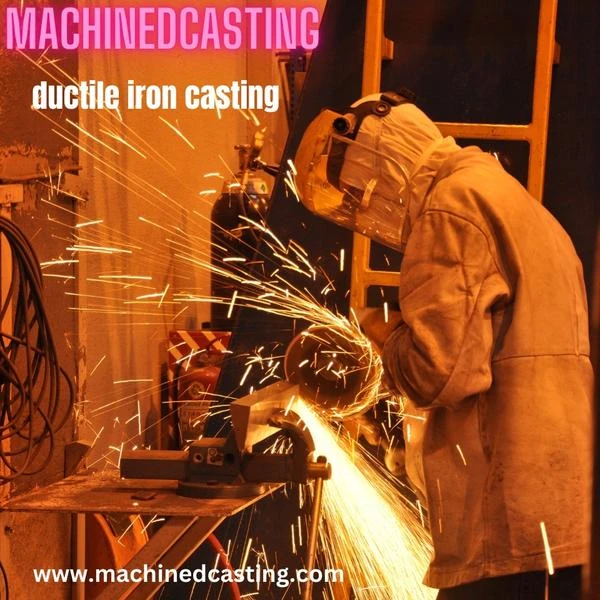

Ductile iron casting is a versatile and widely used method for manufacturing intricate parts with excellent mechanical properties. From automotive components to industrial machinery, ductile iron casting offers durability, strength, and flexibility. This guide will walk you through the process of ductile iron casting, from material selection to finishing, ensuring successful outcomes in your casting projects.
Understanding Ductile Iron: Ductile iron, also known as nodular or spheroidal graphite iron, is characterized by its nodular graphite structure, which provides improved ductility and toughness compared to gray iron. Its unique microstructure makes it ideal for applications requiring high strength and wear resistance.
Material Selection: Selecting the right material is crucial for successful ductile iron casting. Consider factors such as mechanical properties, chemical composition, and thermal stability to ensure the desired performance of the final product.
Pattern Making: The first step in ductile iron casting is creating a pattern, which is an exact replica of the desired part. Patterns can be made from wood, plastic, or metal, depending on the complexity and quantity of the parts needed.
Molding: Molding involves creating a cavity in which molten metal will be poured to form the final part. Common molding methods for ductile iron casting include green sand casting, resin sand casting, and shell molding.
Melting and Pouring: Once the mold is prepared, the next step is melting the ductile iron. The molten metal is then poured into the mold cavity under controlled conditions to prevent defects such as porosity and shrinkage.
Solidification and Cooling: As the molten metal fills the mold cavity, it solidifies to form the desired shape. Proper cooling rates are essential to ensure uniformity and minimize internal stresses in the casting.
Shakeout and Cleaning: After the casting has cooled, it is removed from the mold in a process called shakeout. Excess material, such as sand and gating systems, is removed, and the casting is cleaned to prepare it for further processing.
Heat Treatment: Heat treatment can enhance the mechanical properties of ductile iron castings by adjusting its microstructure. Common heat treatment processes include annealing, normalizing, and quenching.
Finishing Operations: Finishing operations such as machining, grinding, and shot blasting are performed to achieve the final dimensions and surface quality of the casting. These operations may also include applying coatings or surface treatments for corrosion resistance or aesthetic purposes.
Quality Control: Throughout the casting process, quality control measures are implemented to ensure that the finished parts meet the required specifications. This may involve non-destructive testing, dimensional inspection, and mechanical testing.
By following this comprehensive guide, you can master the art of ductile iron casting and produce high-quality parts for various applications. With careful attention to detail and proper execution of each step, you can achieve consistent and reliable results in your casting projects.





Sign in to leave a comment.