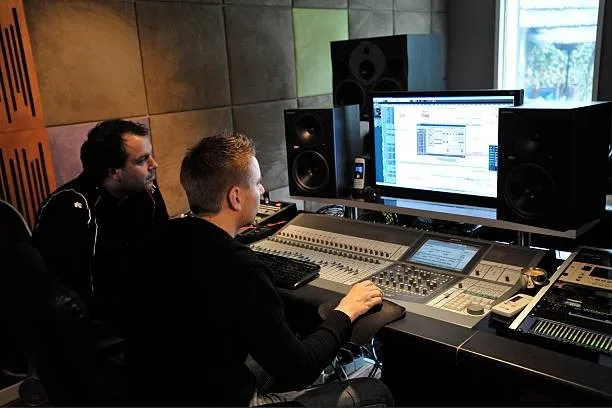

You finally bounced the mix, the release date is getting close, and one question keeps tapping you on the shoulder: “Is this track actually ready?” That’s when booking a mastering engineer can feel exciting and stressful at the same time. You want your song to sound clean, full, and professional wherever it’s played.
But here’s what many artists learn too late: mastering is not just the last step. It’s where your budget, mix quality, tech choices, reference tracks, and release plan all meet.
Key Takeaways
- Know what’s included: Clear pricing and revision rules help prevent surprise costs.
- Check the workflow: Tech should support human taste, originality, and care—not replace them.
- Bring the right context: Mix prep, reference tracks, and release plans help avoid costly revisions.
Mastering Engineer Survey: 6 Booking Truths Artists Should Know to Avoid Costly Mistakes
Pricing Clarity Prevents Panic
Artists often book mastering at the end of an already expensive release cycle. By then, the money has usually gone into recording, artwork, videos, ads, and distribution. So, the real regret is not always the price itself. It’s realizing too late that the price didn't include what they assumed it would.
That is why pricing clarity matters before hiring anyone. In a survey report, 64.4% of independent artists named financial constraints as their biggest challenge. When money is already tight, vague package details, unclear revision limits, or surprise add-ons can turn the session into a costly headache. Before paying, artists should know exactly what studio pricing includes, what costs extra, and what they will receive at the end.
Tech Use Needs Checking
Before booking, artists should ask what role technology plays in the mastering process. Modern studios often use smart tools for cleanup, metering, file checks, and quality control. That is normal. The concern arises when automation makes creative choices without a real person shaping the song's final feel.
Many artists avoid AI because they fear losing copyright control and creative value. AI can raise ownership questions, copy familiar patterns, and reduce human judgment. So, before hiring a mastering engineer, see if they are occasional AI users or regular AI users. To protect the human taste, originality, and character of your track, ask them about their workflow: who makes the final listening decisions, which tech tools they use for support rather than creative AI shortcuts, and how the master is checked across different systems.
Messy Mixes Get Louder
Many artists book mastering, hoping it will fix problems that actually belong in the mix. If the vocal is too low, the bass feels muddy, or the drums sound sharp, mastering may not hide those issues. It may make them more noticeable across headphones, cars, and phone speakers.
So before booking, check whether the mix already feels balanced without chasing loudness. Loudness choices need professional context, not random numbers pulled from the internet. If a mixing engineer cannot handle that final push, the master can sound harsh, crowded, or tiring. To avoid paying for avoidable revisions, ask whether the engineer offers a quick mix review or recommends fixing balance issues before mastering starts.
Revision Rules Stop Drift
A common artist regret is not asking how revisions work before the first file arrives. Words like “warmer,” “bigger,” or “more radio” can mean different things to different people. When the revision process is unclear, feedback can drift from one small fix into a costly round of guesswork.
This is where affordable mastering should mean more than a low starting price. Check how they communicate, how they meet clients’ expectations, and what their revision policies are before choosing an engineer. That connects directly to reviews: before booking, look for customer feedback that mentions clear notes, fair revision handling, and helpful guidance. Then ask how many revisions are included, what counts as a revision, and whether sending a new mix changes the job.
References Beat Guesswork
Some artists book a mastering engineer without sending reference tracks, only to be disappointed when the first version does not match the sound in their heads. The engineer may be skilled, but “make it punchy” or “give it industry sound” is still too vague to guide the work clearly.
Modern mastering can shape the final feel of a record, not just avoid damage. That is why references matter before booking. Instead of only asking what gear is used, send one or two songs that match the loudness, tone, or energy you like. Then ask how the engineer uses references without copying them. These mastering tips for using references can help keep the session focused and bring the final master closer to your vision.
Platform Plans Change Masters
Many artists book a mastering engineer after finishing the song, but before planning the release. That's a costly mistake because mastering isn't only about how a track sounds; it's also about where and how people will hear it. A streaming single, an album track, a social clip, or a sync submission can all have different delivery needs.
That planning matters even more today. According to a report, more than 106,000 tracks were released on streaming platforms each day, which emphasizes that thoughtful release planning is just as important as the music itself. In such a crowded market, every detail counts. Before booking a mastering engineer, explain your release strategy, ask what file versions you'll need, and confirm whether your master is being prepared for streaming, an album sequence, short-form content, or future licensing opportunities. Those conversations can help you avoid unnecessary revisions after release.
Conclusion
Choosing a mastering engineer should not feel like tossing your song into the dark and hoping for the best. You deserve clear answers, honest guidance, and a final version that respects your sound. Before you book, ask about pricing, revisions, tech use, mix quality, reference tracks, file needs, and release goals. The strongest survey-backed lesson is simple: prepared artists get more value from the session. When you ask better questions, you protect your budget and the song you worked hard to create.
FAQs
What should I check before hiring a mastering engineer?
Check pricing, revisions, turnaround, file delivery, tech use, reference track use, and whether your mix is ready. Also, ask how the engineer handles feedback.
Can mastering fix a bad mix?
Not fully. Mastering can polish a strong mix, but if the vocal, drums, or bass are poorly balanced, the problems may become more obvious.
Is audio mastering worth it for independent artists?
Yes, when the song is release-ready. Audio mastering helps your track sound more consistent across phones, cars, headphones, speakers, and streaming platforms.

























Sign in to leave a comment.