

On paper, hydrogen fuel cell vehicles and battery electric cars can look like cousins. Both use electric motors. Both promise zero tailpipe emissions in daily driving. Both have been pitched as cleaner replacements for gasoline. Yet once you move past the showroom script, the two technologies part ways fast—on efficiency, infrastructure, cost, supply chains, and the kinds of drivers they actually suit.
I’ve had this conversation a lot around the Bay Area, where people can recite charging speeds and battery chemistries over coffee but still pause when hydrogen comes up. That hesitation is understandable. Battery electric vehicles, or BEVs, have become familiar because they are visible: home chargers in garages, fast-charging plazas near freeways, delivery vans humming through cities. Hydrogen fuel cell electric vehicles, or FCEVs, remain more niche, more dependent on policy support, and more concentrated in a few regions. The result is a debate that often generates more heat than clarity.
The central question is not whether hydrogen works. It does. A fuel cell combines hydrogen and oxygen to produce electricity, with water vapor as the byproduct. The harder question is where hydrogen makes sense compared with simply storing electricity in a battery. That distinction matters because the energy system is now under pressure to decarbonize quickly, and capital is finite. Every dollar spent on fueling stations, electrolyzers, battery plants, grid upgrades, or charging hubs reflects a strategic bet.
If you want a practical consumer-focused starting point, WriteUpCafe has already explored the decision framework in Expert Tips for Choosing Between Hydrogen Fuel Cell and Battery Electric Vehicles. But the bigger picture is broader than a buying guide. It reaches into freight, industrial policy, electricity markets, and the uncomfortable physics of energy conversion. That is where the real divide sits in 2026.
Hydrogen and battery electric are not interchangeable climate tools. The right comparison is not ideology versus ideology, but use case versus use case.
The technology split starts with how energy is stored
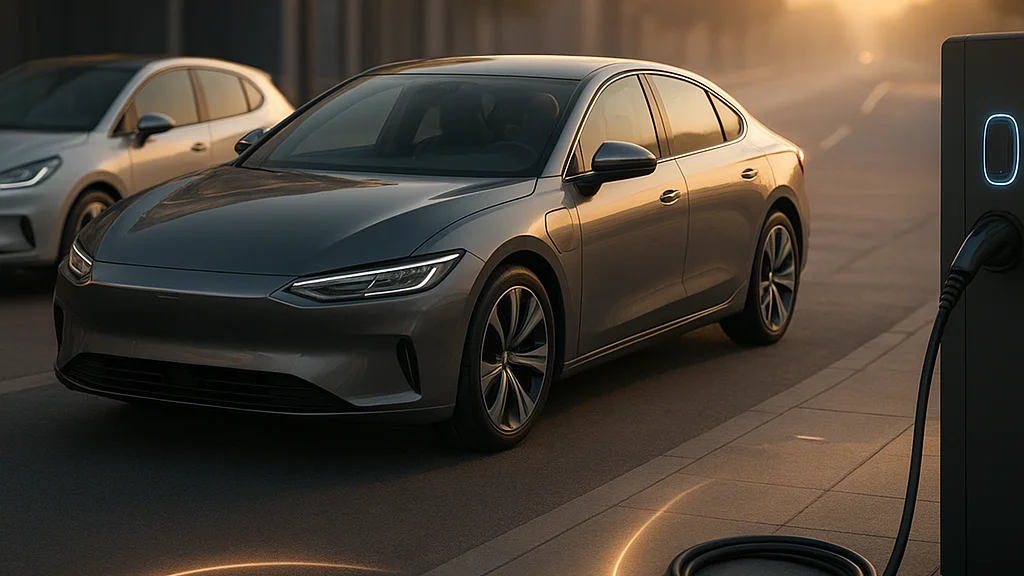
A battery electric vehicle stores electricity directly in a battery pack and sends that power to an electric motor. The chain is relatively short: generate electricity, move it through the grid, charge the battery, drive the wheels. A hydrogen fuel cell vehicle adds more steps. Electricity is often used to produce hydrogen through electrolysis, or hydrogen is produced from natural gas with carbon implications depending on the process. That hydrogen must then be compressed, transported, stored, dispensed, and converted back into electricity inside the vehicle’s fuel cell stack.
Those extra steps are why efficiency dominates this debate. Industry estimates vary depending on assumptions, but the broad pattern is stable: BEVs typically deliver far more of the original electricity to the road than hydrogen passenger vehicles do. When analysts compare end-to-end efficiency, battery electric systems often retain a much larger share of energy than green hydrogen pathways for light-duty driving. That doesn’t make hydrogen useless. It does mean hydrogen usually needs a stronger reason than “it’s also electric.”
Fuel cells do have genuine strengths. Refueling can be fast, often closer to the familiar gasoline experience than charging. Hydrogen also has a high gravimetric energy density, which can matter when vehicle weight becomes a serious penalty—as in long-haul trucks, buses, port drayage, rail, or specialized fleet operations. Batteries, by contrast, benefit from a simpler architecture, fewer conversion losses, and a charging ecosystem that can piggyback on the electric grid already reaching homes and businesses.
That is why analysts increasingly separate the markets. Passenger cars are one story. Heavy transport is another. Even Toyota, long the most visible champion of hydrogen passenger cars, has shifted emphasis. According to Just Auto, Toyota has been steering more of its hydrogen fuel cell focus toward commercial vehicles, where duty cycles and downtime economics can make hydrogen more compelling than in suburban commuting.
Readers who want a broader framing of that strategic split can also see Hydrogen Fuel Cell Vehicles vs Battery Electric: The Real EV Divide, which captures how quickly the market conversation has moved beyond simple one-to-one replacement claims.
Why battery electric vehicles pulled ahead in the passenger market
The strongest case for BEVs is not marketing hype. It is momentum built on infrastructure, manufacturing scale, and user behavior. Battery prices have fallen dramatically over the past decade, charging networks have expanded across North America, Europe, and China, and automakers plus suppliers have invested hundreds of billions of dollars into battery platforms, software, and power electronics. Once that flywheel started spinning, it became difficult for hydrogen passenger vehicles to keep up.
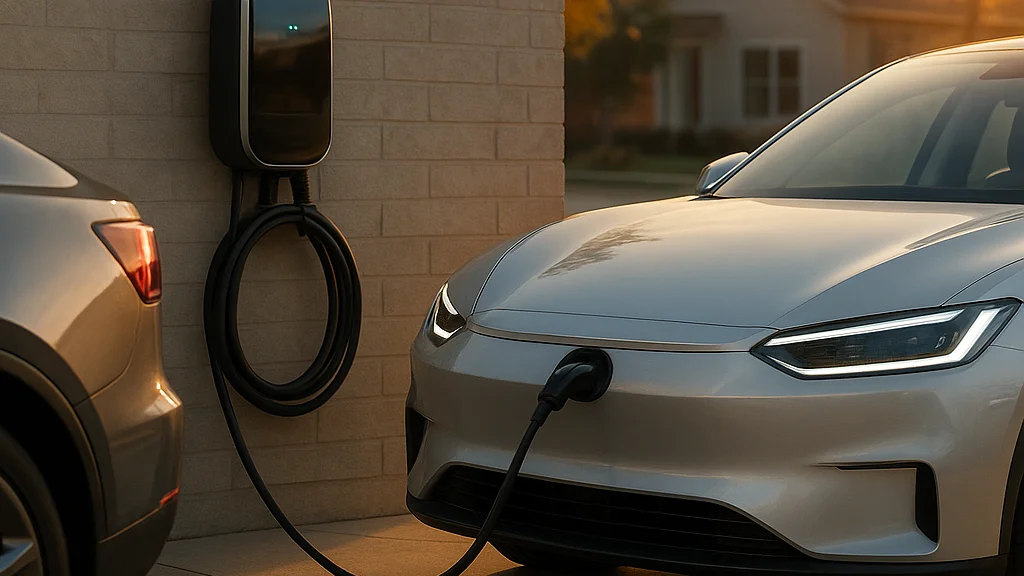
Drivers also discovered something important: most charging does not happen at a public station. It happens at home or at work. That changes the convenience equation entirely. A BEV owner with reliable overnight charging effectively starts each day with a “full tank” without making a dedicated fueling stop. Hydrogen cannot replicate that residential advantage at scale. It depends on a specialized retail network with expensive compressors, storage systems, safety equipment, and a stable hydrogen supply chain.
Cost remains another dividing line. Fuel cell vehicles have historically been expensive to produce because of lower volumes, stack costs, and the complexity of high-pressure hydrogen storage. Hydrogen fuel itself has also been volatile and, in some regions, expensive enough to weaken the operating-cost argument. Battery electric vehicles are hardly cheap across the board, but price competition has intensified, especially as Chinese manufacturers, U.S. tax incentives, and lower-cost battery chemistries reshape the market.
Car and Driver’s roundup of best hydrogen fuel-cell vehicles underscores a basic market reality in 2026: there are very few mainstream retail FCEV choices compared with the growing BEV universe. In practice, the hydrogen passenger segment remains concentrated around a small number of models and geographies.
- BEV advantage: direct use of electricity, broad model availability, home charging, expanding fast-charging networks.
- FCEV advantage: quick refueling, potentially useful range consistency for some fleet applications, lower battery mass.
- BEV weakness: charging time on road trips, cold-weather range effects, dependence on charger reliability.
- FCEV weakness: sparse fueling infrastructure, higher system complexity, uncertain fuel pricing, limited consumer choice.
That list explains why battery electric has become the default zero-emission pathway for light-duty vehicles. It is not because hydrogen failed scientifically. It is because BEVs solved more real-world consumer problems, faster.
For private car buyers, the decisive factor is often not top-line range but ecosystem fit: where do you fuel, how often, and how predictable is the cost?
Infrastructure is where the contest becomes brutally uneven
Talk to anyone who has worked on clean transportation deployment, and they will tell you the same thing: infrastructure is destiny. A technology can be elegant in a lab and still lose in the field if the fueling network is thin, unreliable, or too expensive to scale. That is the problem hydrogen passenger vehicles have faced for years, especially in the United States.
California has remained the main U.S. hydrogen retail market, yet even there the network has struggled with station outages, maintenance issues, and supply constraints at different points. Those disruptions matter more for hydrogen than they do for electricity because alternatives are scarce. If a fast charger is occupied or broken, a BEV driver may still have several nearby options or can charge later at home. If a hydrogen station is offline, the detour can be much more serious.
The economics are punishing. Hydrogen stations are capital-intensive and tend to need high utilization to pencil out. But high utilization is difficult without a large vehicle base. That creates a classic chicken-and-egg problem. Battery charging has its own headaches—utility interconnection delays, demand charges, site host negotiations—but it benefits from an existing grid and the ability to scale from Level 2 charging at modest cost all the way to high-power corridors.
MSN’s overview, This is everything you need to know about hydrogen cars, captures the recurring question over whether hydrogen will become the next major consumer fuel. The answer increasingly depends on segment. For passenger cars, infrastructure has become the barrier that is hardest to explain away. For depots, ports, and commercial corridors, the math can look more favorable because a fleet operator can concentrate demand in fewer locations.
There is also a policy angle. Public charging wins from being politically legible. Voters see chargers in parking lots, apartment buildings, and highway rest stops. Hydrogen often needs a more industrial planning model—production hubs, pipeline access, trucking logistics, and anchor customers in freight or industry. That can work, but it is a different buildout philosophy.
- Charging infrastructure can start small and grow incrementally.
- Hydrogen stations usually require larger upfront investment.
- BEV charging can leverage residential and commercial real estate already connected to the grid.
- Hydrogen fueling relies on a dedicated fuel supply chain that many regions still lack.
- Fleet-based hydrogen deployment is easier than mass retail deployment because demand is concentrated.
That last point is crucial. Hydrogen’s best infrastructure story in 2026 is not the suburban commuter. It is the controlled fleet yard.
What changed in 2026: policy, commercial vehicles, and market realism
This year’s conversation is more sober than the one from a few years ago. The hype cycle has cooled, but the technology has not disappeared. Instead, the market has become more segmented and, frankly, more honest. Hydrogen is being pushed less as a universal answer and more as a targeted solution where batteries face operational limits.
Toyota’s positioning reflects that change. According to both Just Auto and CarsGuide, the company has doubled down on hydrogen development even as passenger-car enthusiasm has softened, with stronger attention on trucks and commercial use cases. That is a notable strategic pivot. It suggests automakers still see value in fuel cells, just not necessarily in the broad consumer market that BEVs now dominate.
Regulation is shifting too. In India, the government notified approval norms for hydrogen-powered vehicles under the Central Motor Vehicles Rules, according to ET Auto. That may sound procedural, but standards and approval pathways are how technologies move from pilot programs into real deployment. Similar regulatory groundwork in other markets will matter more than splashy concept reveals.
Meanwhile, battery electric technology did not stand still. Fast-charging performance improved in newer vehicle architectures, lithium iron phosphate batteries continued to strengthen the lower-cost end of the market, and charging-network operators kept expanding high-power sites along major corridors. The result is that hydrogen is not competing with the BEV market of 2020. It is competing with a stronger, cheaper, more mature BEV ecosystem in 2026.
If you want the market snapshot through that lens, Hydrogen Fuel Cell Vehicles vs Battery Electric: A 2026 Comparative Analysis and 2026 Trends in Hydrogen Fuel Cell Vehicles vs Battery Electric Cars are useful companion reads. They show how the argument has narrowed from “which will win?” to “which jobs should each technology do?” That is a healthier debate.
The real comparison: efficiency, emissions, and total system cost
If you strip away branding and focus on systems, three questions matter most: how much energy is required, how clean is the fuel pathway, and what does the full ecosystem cost? On all three, battery electric vehicles usually have the edge in light-duty transport.
First, efficiency. A BEV generally converts grid electricity to wheel movement with fewer losses than a hydrogen pathway. Producing green hydrogen through electrolysis, compressing it, transporting it, and then converting it back to electricity inside the vehicle consumes substantial energy. That means a region trying to decarbonize passenger transport with limited clean power can usually move more cars per megawatt-hour by charging batteries directly.
Second, emissions. A hydrogen car is only as clean as its hydrogen supply. Green hydrogen made from renewable electricity can be very low-carbon, but much of today’s hydrogen production globally still comes from fossil fuels, especially natural gas, unless paired with carbon capture. Battery electric vehicles also depend on upstream conditions—the grid mix, battery production emissions, mining practices—but as grids get cleaner, BEVs tend to improve automatically over time. A hydrogen vehicle does not get cleaner unless the hydrogen supply itself changes.
Third, cost. This is where investors and policymakers stop speaking in slogans. Total system cost includes not just the vehicle, but the fuel production assets, transport logistics, retail infrastructure, maintenance ecosystem, and utilization rates needed to make the business work. For mass-market passenger mobility, that integrated cost stack has been much kinder to battery electric.
- Best fit for BEVs: personal cars, urban delivery, ride-hailing with depot charging, municipal fleets with predictable routes.
- Potential fit for FCEVs: heavy-duty trucking, buses with centralized fueling, port operations, long-shift commercial fleets where downtime is expensive.
- Conditional factor: hydrogen makes more sense where low-carbon supply is available and infrastructure can be concentrated.
There is also a land-use and grid-planning nuance. In dense urban areas, charging every vehicle at high power is not trivial. Hydrogen advocates argue that centralized fuel production and storage can ease some grid bottlenecks. That is a serious point, not a talking point. But it still has to be weighed against conversion losses and station economics. In most passenger contexts, the balance still favors batteries.
Where hydrogen could still win—and where it probably will not
The mistake many commentators make is binary thinking. Either hydrogen is the future, or it is dead. Reality is less dramatic and more useful. Hydrogen can be a strong solution in sectors where batteries impose weight penalties, where vehicles run nearly continuously, where refueling speed has outsized value, or where fleet operators can justify dedicated infrastructure. A port truck circulating through a fixed corridor is not the same problem as a family crossover parked in a garage overnight.
That is why commercial transport keeps resurfacing as hydrogen’s most credible lane. A fleet manager cares about uptime, route certainty, payload, and fuel logistics. If a hydrogen station can support a concentrated fleet with stable demand, the utilization picture improves. If the alternative is carrying a very large battery pack that cuts payload or requires long charging windows, fuel cells start to look more attractive.
Passenger cars are another matter. Here hydrogen faces a stack of disadvantages all at once: fewer models, fewer stations, more fragile retail infrastructure, and weaker cost competitiveness against increasingly capable BEVs. Even when fuel-cell sedans offer respectable range and quick refueling, the surrounding ecosystem often undermines the ownership experience.
For consumers trying to make a practical decision now, the answer is rarely abstract. Ask a few direct questions.
- Can you charge at home or at work most days?
- Is there a reliable hydrogen station network where you actually drive?
- Are you buying for personal use or managing a commercial fleet?
- Do your routes demand minimum downtime above all else?
- How important are fuel-price predictability and resale confidence?
For most individual drivers, those questions point toward battery electric. For some commercial operators, they may point toward hydrogen pilots or mixed fleets. The important thing is to stop treating the technologies as substitutes in every context. They are not.
Battery electric appears to be the mass-market answer for light-duty mobility. Hydrogen’s better chance is to become indispensable in narrower, harder-to-electrify transport niches.
What to watch next as the market matures
The next phase will be shaped less by consumer buzz and more by industrial execution. Watch whether low-carbon hydrogen supply scales at prices fleet operators can live with. Watch whether dedicated commercial corridors emerge with enough throughput to support stations economically. Watch whether fuel-cell stack durability improves in demanding duty cycles. And watch whether battery improvements keep eroding hydrogen’s remaining advantages.
Silicon Valley investors love software curves, but transport transitions are hardware stories with policy dependencies. Grid interconnection queues, electrolyzer deployment, tax credits, renewable buildout, and permitting timelines all matter. So does geopolitics. Battery supply chains and hydrogen equipment manufacturing are both strategic industries now, with governments trying to localize production and reduce dependence on rivals.
There is also a consumer-trust issue. BEVs have earned familiarity through sheer exposure, even with charging frustrations still unresolved. Hydrogen needs reliability more than headlines. A driver who cannot count on fuel availability will not become a repeat customer. Fleet operators are equally unforgiving. They will tolerate pilot complexity for a while, but not chronic operational uncertainty.
My own view is that 2026 marks the end of the broad “BEV versus hydrogen” culture war. The market is sorting itself. Batteries are becoming the default for passenger vehicles and many medium-duty applications. Hydrogen is trying to secure a durable role in heavy transport and industrial mobility where its specific strengths matter. That is not a defeat. It is specialization.
For readers following clean mobility closely, the smartest stance now is disciplined curiosity. Track the infrastructure, not just the prototypes. Follow policy design, not just press releases. And judge both technologies by delivered results—cost per mile, uptime, emissions intensity, and user experience. If you do that, the picture becomes much clearer. Battery electric is the mainstream road ahead for most drivers. Hydrogen remains important, but mostly where the job is harder and the margins for downtime are slimmer.

























Sign in to leave a comment.