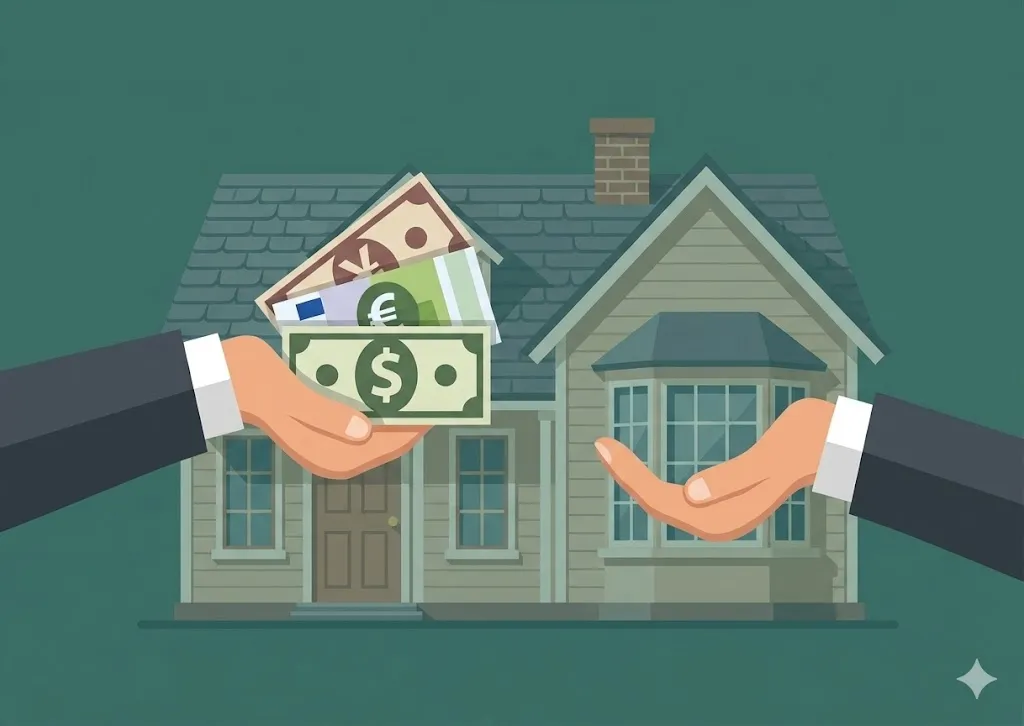

Pricing your house correctly without an agent can seem complex, but with the right structure and approach, it becomes a strategic advantage rather than a challenge. The price you set shapes buyer perception, determines how quickly your property attracts attention, and ultimately affects your final sale outcome. By combining data-driven research with a clear understanding of buyer behavior, homeowners can confidently take control of the process. Whether you are new to selling or exploring a more independent route, this guide will walk you through the essential steps for pricing your home effectively and avoiding costly mistakes along the way.
Why Pricing Is the Key to a Successful Sale
Your asking price is one of the first things buyers notice. It directly influences whether they click on your listing, schedule a viewing, or move on to another property.
When pricing your home, you are competing with similar listings in your area. A well-balanced price can generate strong interest, while an unrealistic one may lead to your property sitting on the market for too long. This is especially important for those exploring homes for sale by owner in Australia, where every decision rests with the homeowner.
Build Your Pricing Strategy Around Market Data
Accurate pricing starts with reliable data. The most effective method is analyzing comparable sales, also known as “comps.”
Look for properties that closely match your home in:
- Location
- Size and layout
- Number of bedrooms and bathrooms
- Condition and features
These comparisons help you understand what buyers are willing to pay. Many online real estate platforms provide access to recent sales data, allowing you to make informed decisions without professional assistance.
Understand Market Timing and Trends
The timing of your sale can significantly impact your pricing strategy. Market conditions shift based on supply and demand, interest rates, and seasonal trends.
Pay attention to:
- How long homes stay on the market
- The level of buyer demand
- Changes in listing prices
When selling your home, aligning your price with current market conditions can improve both visibility and buyer engagement.
Take an Objective Look at Your Property
It is easy to overvalue your home due to personal attachment, but buyers focus on facts and comparisons.
Evaluate your property based on:
- Recent upgrades or renovations
- Unique features
- Location benefits
Keeping your assessment realistic ensures your price reflects true market value rather than emotional expectations.
Use Technology to Support Your Decision
Digital tools can provide valuable insights, but they should be used as part of a broader strategy.
When pricing your home, compare multiple estimates and cross-check them with your own research. This approach helps create a more accurate and reliable pricing range.
Position Your Price Strategically
Pricing is not just about accuracy, it is also about positioning. A strategic price can increase visibility and attract more potential buyers.
For homeowners listing homes for sale by owner in Australia, setting a price within popular search ranges can make a noticeable difference. Competitive pricing often leads to more inquiries and faster offers.
Enhance Appeal Through Strong Presentation
A well-priced property still needs to stand out visually. Presentation plays a crucial role in reinforcing your asking price.
Focus on:
- High-quality images
- Clear and engaging descriptions
- Highlighting your home’s best features
Many online real estate platforms offer tools that help you present your listing in a professional and appealing way.
Stay Responsive to Market Feedback
Once your property is listed, monitor how it performs and be prepared to adjust your approach.
Watch for:
- Buyer inquiries
- Viewing activity
- Feedback from potential buyers
Selling your home is an ongoing process, and flexibility can help you remain competitive and achieve better results.
Avoid Common Pricing Errors
Some common mistakes can negatively impact your sale. These include:
- Setting an unrealistic asking price
- Ignoring current market trends
- Relying on limited or outdated data
- Delaying necessary price adjustments
Avoiding these pitfalls can help you maintain momentum and attract serious buyers.
Understand Buyer Search Patterns
Most buyers search within specific price brackets. Positioning your property within these ranges can increase its visibility.
Small pricing adjustments can help your listing appear in more searches, ultimately leading to greater interest and engagement.
Frequently Asked Questions
How can I price my home competitively without professional help?
Start by analyzing recent sales in your area, reviewing active listings, and using multiple online tools to establish a realistic price range.
What factors influence how buyers perceive my price?
Buyers consider location, property condition, comparable listings, and overall market trends when evaluating whether a home is fairly priced.
Is it better to price slightly below market value?
In some cases, pricing slightly below market value can attract more interest and even lead to multiple offers, but it should be done strategically.
How do I respond if my home is not getting attention?
Low interest often signals that your price may be too high. Reviewing feedback and adjusting your price can help improve engagement.
Do I need to update my price during the selling process?
Yes, staying flexible and making adjustments based on market response is essential for maintaining buyer interest and achieving a successful sale.
Final Thoughts
Pricing your house correctly without an agent requires a balance of research, strategy, and adaptability. By using data, understanding buyer behavior, and presenting your property effectively, you can confidently set a price that attracts attention and maximizes value.
Take the next step in your selling journey and see how Realty Zero Australia can help you reach the right audience and achieve a successful outcome.





















Sign in to leave a comment.