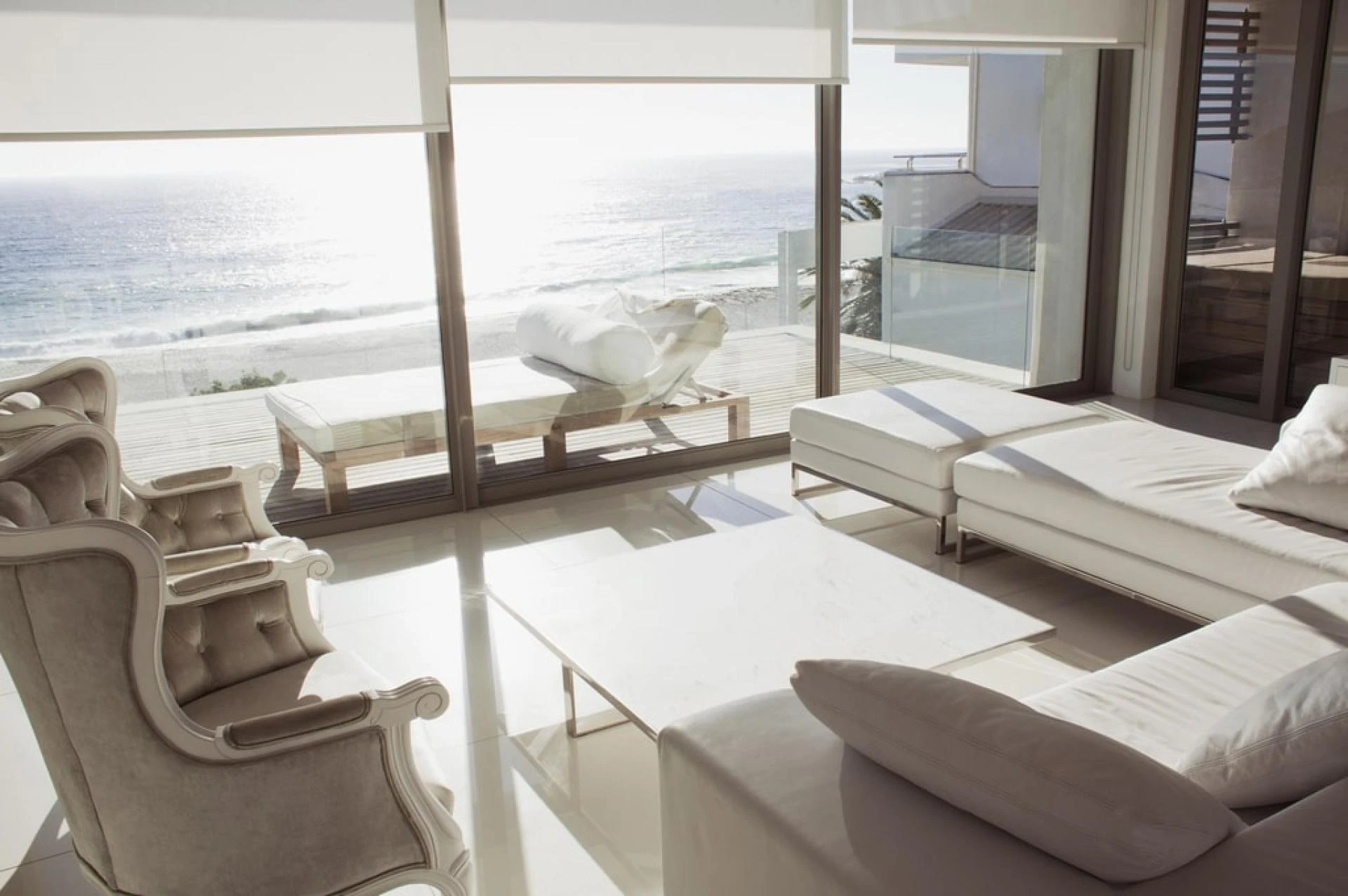

It isn’t only the job of professional interior designers to design rooms portraying their unique style and personality. However, depending on the effort and consideration, any place can turn into a visually attractive and practical escape. This article will give you step by step instructions on how to design a room that “looks like an interior designer’s” job.
Step 1: Define Your Style and Purpose
However, just before plunging into the design process, it is essential to determine your style and the intended use of the space. What style do you want to achieve: a contemporary and minimalist decor or something more classic and comfortable? Think of the intended use of the room; think of whether it is going to be a living room, a bedroom or an office and design your choices in line with such considerations.
Step 2: Create a Mood Board
Collect ideas from magazines, platforms, or even your own life to come up with a mood board. Add colours, fabrics, furniture and decorations relevant to your vision. Just as an interior designer uses a mood board as a visual guide and helps maintain consistency during the design process, a mood board is also a visual document.
Step 3: Choose a Colour Scheme
Colour scheme selection plays a very critical role in interior designing. Select a base colour that should be accompanied by two or three shades of secondary colours. Think of the room’s function and the feelings you want the room to elicit. Warm colours such as reds and yellows contribute to the creation of a friendly environment; in the same way, cool colours including blues and greens introduce calmness.
Step 4: Plan the Layout
Take measurements of the room and arrange the furniture in a way that reflects these measurements. Consider the traffic patterns, focus areas, and how each section performs within the room. Consider various layouts on paper or utilize online resources to get an idea of how the furniture will be positioned around the room.
Step 5: Invest in Quality Furniture
Furniture may not be directly associated with luxury or comfort, but quality furniture does all of these in a room. Spend on items that complement your chosen style and hue. Incorporate various textures and materials to make it visually interesting.
Step 6: Layer with Textures and Patterns
Texture and pattern provide depth and dimension to the interior space. Use different patterns in the form of textiles like rugs, cushions, and drapes. Establish the use of patterns based on wallpaper’s introduction, accent furniture or decorative items. By striking the right balance, we achieve a visually pleasing, consistent design.
Step 7: Focus on Lighting
Lighting is central to developing the atmosphere of a room. Mix different forms of lighting such as ambient, task, and accent, in order to produce the well-lit room Consider where the windows sit and take advantage of natural light to help create a certain mood.
Step 8: Add Personal Touches
Do not be afraid to inject personality into the space by putting personal touches and keeping décor meaningful. You can transform a plain space into a representation of your individuality and exceptional life by using family pictures, favourite paintings, and things that are valuable to you.
Step 9: Pay Attention to Detail
The smallest aspects can also have a major effect on the design. Note that accessories, including decorations, vases, and wall hangings, should be taken into consideration. Make sure these features coordinate with the room theme and take complete to design.
Step 10: Evaluate and Adjust
After the implementation of the design review its appearance as a whole. Please take into account functionality, appearance, and how closely the design coincides with the original idea. It is not scary to fine-tune the details to obtain a desired result.
Conclusion:
Behind such a design is a process of cool “thinking out a room,” like an interior designer would do. The concepts of defining your design style, creating a mood board, and following through with the provided step-by-step processes ensure that any space can be made into an object of healthy contentment. First things first, the whole thing about doing it either whole home or one room doesn’t matter as long as you sincerely stand true to your vision and enjoy your creative moment.











Sign in to leave a comment.