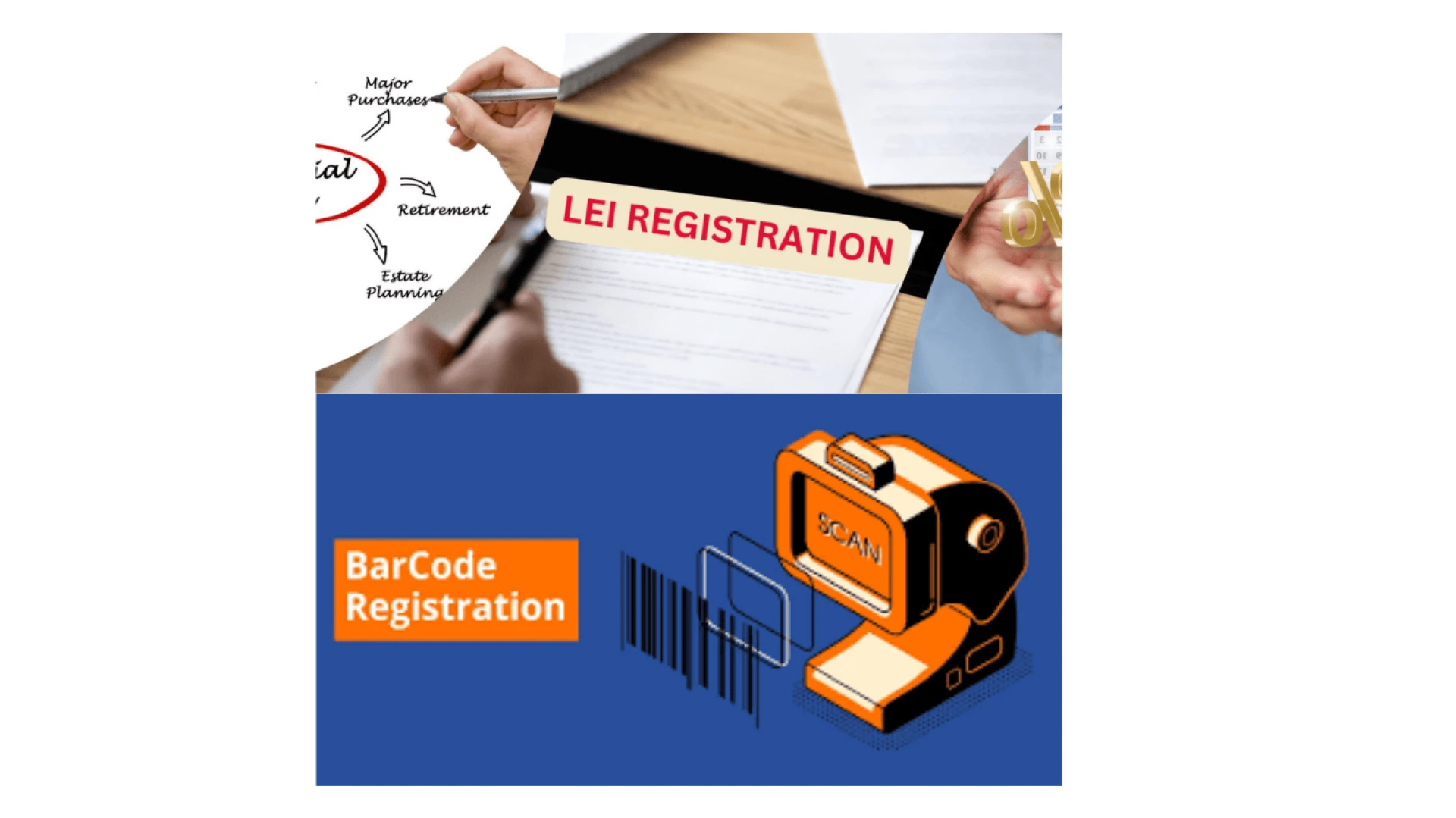

In the context of a global economy characterized by interconnection, companies are required to find their way through intricate regulatory frameworks in order to achieve compliance and uphold operational efficiency. Two essential elements of this undertaking are the Legal Entity Identifier (LEI) and the registration of barcodes. For businesses seeking to build credibility and simplify processes in global markets, comprehending and executing these systems is important. This detailed guide explores the complexities of LEI codes and barcode registration, offering businesses a roadmap for attaining global compliance.
Understanding the Legal Entity Identifier (LEI)
A 20-character alphanumeric code based on the ISO 17442 standard developed by the International Organization for Standardization (ISO), the Legal Entity Identifier (LEI) serves a specific purpose. It links to essential reference data that allows for the clear and unique identification of legal entities involved in financial transactions and other official dealings. Every LEI encompasses details about the ownership structure of an entity, addressing the inquiries of 'who is who' and 'who owns whom'.
The Importance of LEI Codes
In order to improve transparency in the global financial system, LEI code are essential. By making it easier to identify the legal entities engaged in financial transactions, they uphold market integrity and reduce dangers like financial fraud and market abuse. LEI registration is a necessary compliance requirement as regulatory bodies in many countries demand the usage of LEIs for firms participating in financial markets.
The LEI Registration Process
Obtaining an LEI involves a straightforward process:
- Self-Registration: Entities must apply through an accredited Local Operating Unit (LOU). A list of LEI issuing organizations is available on the Global Legal Entity Identifier Foundation (GLEIF) website.
- Submission of Information: Applicants provide essential details, including the entity's legal name, registered address, and relevant registration documents.
- Verification: The LOU verifies the submitted data against authoritative sources, such as national business registries.
- LEI Issuance: Upon successful verification, the LOU issues the LEI, which becomes part of the global LEI system.
The timeframe for obtaining an LEI can vary from a few minutes to 24 hours, depending on factors such as jurisdiction and entity type.
Conducting an LEI Code Search
To verify the authenticity of an LEI or to obtain information about a registered entity, stakeholders can perform an LEI code search through the GLEIF database. This publicly accessible resource provides complete details about registered entities, facilitating due diligence and informed decision-making in financial transactions.
Barcode Registration: A Gateway to Efficient Commerce
As distinct identifiers that simplify inventory control, sales procedures, and product tracking, barcodes are widely used in contemporary commerce. By guaranteeing that every product is individually recognizable, barcode registration makes it easier to conduct business across a range of distribution and retail channels.

Steps to Barcode Registration
- Obtain a GS1 Company Prefix: GS1 is a global organization that develops and maintains barcode standards. Businesses start by obtaining a GS1 Company Prefix, which forms the foundation of their product barcodes.
- Assign Product Numbers: Combine the company prefix with unique product numbers to create Global Trade Item Numbers (GTINs) for each product variant.
- Create Barcodes: Generate barcode images corresponding to the GTINs for placement on product packaging.
- Register Barcodes: Submit product and Barcode Registration information to the GS1 database to confirm global recognition and facilitate seamless scanning across retail systems.
Benefits of Barcode Registration
- Operational Efficiency: Barcodes enable quick and accurate data capture, reducing manual entry errors and enhancing inventory management.
- Market Access: Many retailers and online platforms require products to have registered barcodes, making them essential for market entry.
- Consumer Transparency: Barcodes can provide consumers with access to detailed product information, including ingredients and allergen data, through scanning technologies.
Integrating LEI and Barcode Systems for Full Compliance
Integrating LEI and barcode systems is essential for complete compliance and operational excellence for companies with worldwide operations. Barcodes provide effective product administration and customer interaction, whereas LEIs guarantee transparency and confidence in financial transactions. When combined, they provide a strong foundation that promotes market competitiveness, operational effectiveness, and regulatory compliance.
Conclusion
Businesses looking to prosper in the global economy must become proficient in LEI and barcode registration. Stakeholder confidence is increased when entities comply with financial rules and improve their reputation by acquiring an LEI. Barcode registration simultaneously creates opportunities for market development and simplifies product administration. Adopting these systems gives companies the resources they need to handle the challenges of global trade, guaranteeing compliance and encouraging long-term success.




























Sign in to leave a comment.