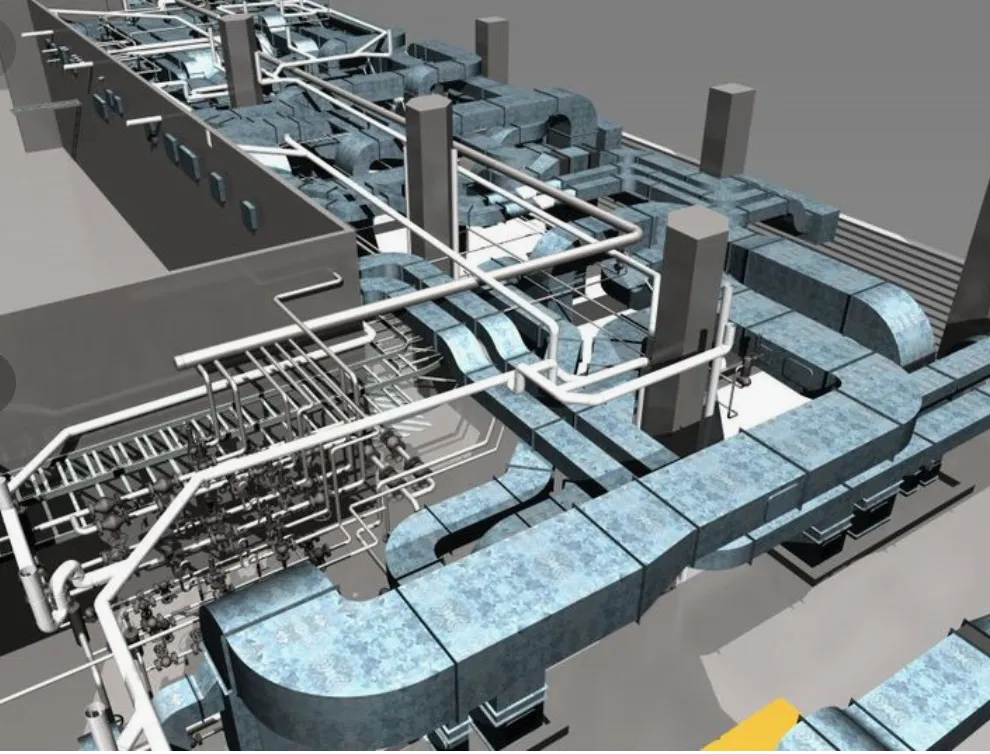

In today’s world of smart homes and energy efficiency, getting HVAC design right is more important than ever. The foundation of an effective HVAC system lies in accurate load calculations, specifically the Manual J load calculation. Whether you’re a contractor, builder, architect, engineer, or a homeowner, understanding this process is essential for ensuring comfort and efficiency in residential spaces.
Modern homes are built with advanced materials and technologies, which makes proper system sizing even more critical. Oversized or undersized HVAC systems can lead to discomfort, higher energy bills, and frequent maintenance issues. That’s why Manual J calculations are considered a cornerstone of professional HVAC design.
Understanding Manual J Load Calculation
At its core, the Manual J load calculation is the industry standard for figuring out the heating and cooling needs of a home. Developed by the Air Conditioning Contractors of America (ACCA), this method considers several important factors, including:
- Square Footage
The total area that needs heating or cooling plays a major role in determining system capacity. Larger spaces require more energy, but layout and ceiling height also influence the calculation. - Insulation Quality
How effective the building’s insulation is directly impacts how much heat is retained in winter and kept out during summer. High-quality insulation reduces the overall load on the HVAC system. - Window Efficiency
The types and quality of windows in use significantly affect heat transfer. Double or triple-pane windows with proper sealing improve energy efficiency. - Local Climate
The typical weather conditions for the area, including temperature extremes and humidity levels, are essential inputs in determining heating and cooling loads. - Air Infiltration
Uncontrolled air leakage through doors, windows, and cracks can increase heating and cooling demands. Proper sealing minimizes energy loss.
By accurately assessing these elements, contractors and HVAC designers can choose systems that deliver the perfect balance of comfort without wasting energy.
The Importance of Accurate Load Calculations
Accurate load calculations are the backbone of any successful HVAC design. Here’s why they should never be overlooked:
Energy Efficiency
A well-sized HVAC system cuts down on energy consumption, which translates to noticeable savings on your utility bills. Efficient systems operate optimally without overworking.
Comfort
Correct calculations ensure that heating and cooling systems can maintain a consistent, comfortable indoor temperature without frequent fluctuations or hot and cold spots.
System Longevity
Systems that are just the right size experience less stress and wear and tear, which can help them last longer and require fewer repairs over time.
Environmental Impact
Energy-efficient systems lower a home's carbon footprint, contributing to a more sustainable environment and reducing greenhouse gas emissions.
Cost Savings
Proper sizing helps avoid unnecessary upfront costs from oversized systems and reduces long-term operational expenses.
Best Practices in HVAC Design
To get the best results in HVAC design, keep these best practices in mind:
- Comprehensive Assessment
Take a close look at the property, considering factors beyond just the square footage. This includes insulation quality, window placement, building orientation, and local weather patterns. - Use of Technology
Utilize advanced software tools that can simulate various scenarios and provide precise load calculations. These tools improve accuracy and reduce human error. - Collaboration with Experts
Partner with experienced HVAC professionals who can offer insights and recommendations that you might not think of otherwise. Their expertise ensures reliable system performance. - Regular Updates and Maintenance
Remember, an HVAC system isn’t a set-it-and-forget-it solution. Regular maintenance and updates based on changing needs or new technologies are crucial for keeping things running efficiently. - Proper Duct Design
Efficient ductwork design ensures even air distribution throughout the home, preventing energy loss and improving overall system performance.
Energy Efficiency in Modern Homes
Energy efficiency has become a necessity rather than a luxury. With rising energy costs and growing environmental concerns, homeowners are more focused than ever on cutting down energy consumption. Here are a few strategies for enhancing energy efficiency in residential buildings:
- Insulation Improvements
Good insulation can greatly reduce the load on HVAC systems by minimizing heat transfer between indoor and outdoor environments. - Smart Thermostats
These devices provide precise temperature control, automate schedules, and reduce unnecessary energy usage, making homes more efficient and convenient. - Energy-Efficient Windows
Double or triple-pane windows can significantly reduce heat loss during winter and heat gain in summer, improving overall comfort. - Rescheck Services
Ensuring compliance with energy codes through Rescheck services helps identify areas for improvement and ensures your building meets required efficiency standards. - Renewable Energy Integration
Incorporating solar panels or other renewable energy systems can further reduce dependence on traditional energy sources.
Residential Comfort Solutions
Creating a cozy living space is about more than just maintaining the right temperature. It’s about understanding and integrating the different elements that contribute to overall comfort:
- Air Quality
Installing systems that filter and purify indoor air can greatly enhance comfort and health by reducing allergens, dust, and pollutants. - Humidity Control
Maintaining balanced humidity levels helps prevent issues like mold, mildew, and respiratory discomfort while improving indoor air quality. - Zoned Heating and Cooling
This allows different areas of your home to be heated or cooled independently, catering to individual preferences and boosting overall comfort. - Noise Reduction
Modern HVAC systems are designed to operate quietly, ensuring a peaceful indoor environment without disruptive noise.
Conclusion
The journey to achieving a perfectly balanced indoor climate starts with a solid grasp of Manual J load calculations. By prioritizing accurate calculations and following best practices in HVAC design, you can ensure that residential spaces are not just comfortable but also energy-efficient.
Whether you're a contractor, builder, architect, engineer, or homeowner, taking the time to understand these principles can lead to meaningful improvements in comfort, efficiency, and sustainability. With advancements in technology and a growing focus on eco-friendly living, the role of precise HVAC design continues to become even more important.
If you’re looking for expert assistance, consider exploring services that specialize in Manual J HVAC design, residential heat load calculations, and Rescheck services. With the right guidance, tools, and professional support, creating an optimal indoor climate is not only achievable but also a smart long-term investment.



























Sign in to leave a comment.