
In the realm of modern project management, success hinges on a delicate balance of planning, execution, and oversight. The more complex and interconnected projects become, the greater the need for sophisticated tools to help manage them effectively. This is where a Project Management Information System, or PMIS, steps in as a powerful ally for project managers and teams. In this comprehensive guide, we'll take a deep dive into the world of PMIS, exploring its components, advantages, and how it can transform your approach to project management.
What Exactly is a PMIS?
A Project Management Information System (PMIS) is a multifaceted digital solution designed to simplify and enhance project management processes. It acts as the central hub for project managers, team members, stakeholders, and clients, facilitating seamless communication, efficient data management, and informed decision-making throughout the entire project lifecycle.
Key Components of PMIS:
Project Planning and Scheduling:
One of the fundamental functions of a PMIS is to assist in project planning and scheduling. With robust features for creating detailed project plans, allocating resources, and establishing realistic timelines, project managers can effectively map out each phase of a project, ensuring a well-structured and efficient workflow.
Resource Management:
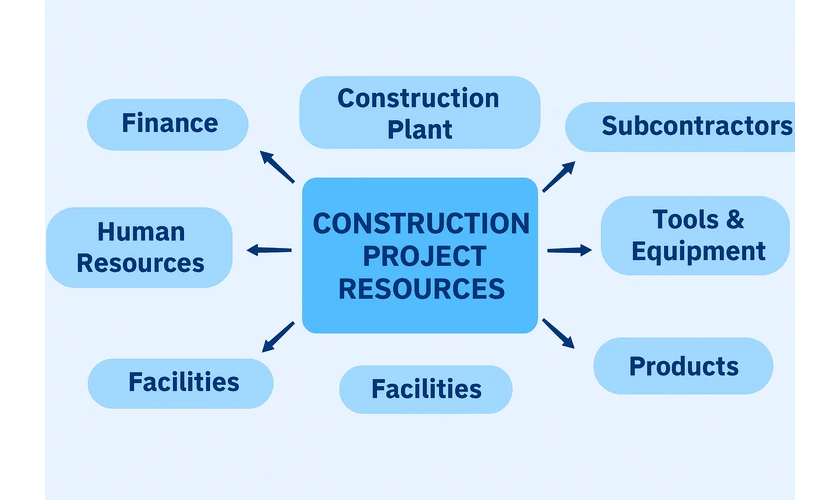
Efficient resource management is critical for project success. PMIS tools enable project managers to allocate tasks, monitor resource availability, and prevent conflicts, thus optimizing the utilization of both human and material resources.
Document Management:
The days of document chaos are over with PMIS. It provides a secure and organized repository for all project-related documents, ensuring easy access, version control, and streamlined collaboration among team members.
Budgeting and Cost Management:
Keeping project finances on track is made easier with PMIS. It helps in creating and managing project budgets, tracking expenses, and generating cost reports. This feature empowers project managers to maintain financial control and prevent budget overruns.
Risk Management:
Project risks are inherent, but PMIS allows you to identify, assess, and mitigate them effectively. It provides tools for proactively addressing potential issues, thus reducing the impact of unforeseen challenges on your project's success.
Communication and Collaboration:
Effective communication and collaboration are at the heart of project success. PMIS tools offer a variety of features, including messaging, notifications, and collaboration spaces, to foster seamless teamwork and knowledge sharing among project stakeholders.
Benefits of Implementing PMIS:
Enhanced Efficiency:
PMIS automates routine tasks, reducing administrative burdens and freeing up valuable time for strategic decision-making. This increased efficiency can significantly impact project timelines and outcomes.
Improved Collaboration:
Centralised communication and document sharing within PMIS enhance collaboration among team members, reducing misunderstandings and delays. Team members can easily access the information they need, fostering a culture of transparency and collaboration.
Real-time Data Access:
Stakeholders can access project data and updates in real time, ensuring that everyone is on the same page. This real-time visibility into project progress allows for quicker decision-making and more agile responses to changes and challenges.
Accurate Reporting:
PMIS generates detailed reports on various aspects of the project, including progress, resource utilisation, and budget status. These reports provide project managers and stakeholders with valuable insights for informed decision-making and performance assessment.
Risk Mitigation:
By identifying and addressing potential project risks early, PMIS minimises their impact on project outcomes. It helps project teams anticipate and prepare for challenges, ultimately reducing the likelihood of project delays or failures.
Cost Savings:
Better resource allocation and budget control lead to reduced project costs and increased profitability. PMIS empowers project managers to make data-driven decisions that optimize resource usage and minimise wastage.
Conclusion:
In an era where project management is synonymous with efficiency and precision, PMIS emerges as an indispensable asset. By centralizing project data, automating routine tasks, and facilitating communication, it empowers project managers and teams to excel in their endeavors. If you're striving for enhanced efficiency, streamlined communication, and better project outcomes, there's no better time to consider adopting a PMIS.







Sign in to leave a comment.