
Introduction
The construction industry is evolving rapidly, facing challenges like tight deadlines, rising costs, labor shortages, and increasing regulatory requirements. In 2025, managing large-scale projects using spreadsheets or outdated methods is no longer feasible. Construction Management Software has become an essential tool for improving efficiency, ensuring compliance, and keeping projects on track.
Industry-leading platforms like Kahua, E-Builder, and Procore provide powerful features that help construction companies streamline project planning, enhance team collaboration, and optimize financial management. Without the right software, construction firms risk delays, budget overruns, and miscommunication.
This blog explores the key reasons why Construction Management Software is a must-have for construction companies in 2025 and how the right tools can drive success.
1. Better Project Planning and Scheduling
Every construction project involves multiple stakeholders—contractors, subcontractors, architects, engineers, and project managers. Keeping everyone aligned requires precise planning and scheduling. A single delay can cause a chain reaction, affecting the entire project timeline and budget.
How Construction Management Software Helps:
- Automated Scheduling – Assign tasks, set deadlines, and track progress in real time.
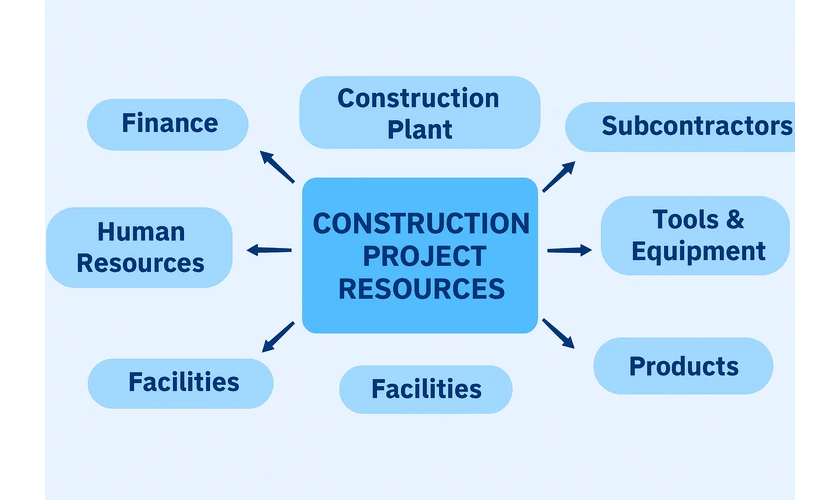
- Resource Allocation – Ensure proper distribution of labor, equipment, and materials.
- Project Timeline Adjustments – Make quick changes based on real-time data.
Kahua provides a cloud-based scheduling system, helping teams coordinate efficiently and prevent unnecessary delays. By automating scheduling and tracking, companies can reduce downtime and ensure that every phase of the project is completed on time.
2. Improved Communication and Collaboration
One of the biggest challenges in construction is miscommunication. With teams spread across different locations, clear and timely communication is critical. Using emails and phone calls to track project updates often leads to confusion, missed messages, and costly mistakes.
How Construction Management Software Helps:
- Centralized Communication – Keep all conversations and project updates in one place.
- Document Sharing & Version Control – Ensure everyone is working with the latest files.
- Mobile Access – Allow on-site workers to update progress directly from the field.
E-Builder provides a collaboration hub where project managers, engineers, and field teams can share real-time updates, access documents, and track progress from any device. This eliminates miscommunication and ensures that all stakeholders are on the same page.
3. Cost Control and Budget Management
Construction projects often suffer from budget overruns due to unexpected costs, inefficient resource management, and inaccurate estimates. Managing project finances manually can lead to errors, resulting in financial losses.
How Construction Management Software Helps:
- Real-Time Expense Tracking – Monitor costs as they happen to prevent overspending.
- Automated Budget Forecasting – Predict financial needs and avoid unexpected shortfalls.
- Seamless Integration with Accounting Systems – Connect with software like QuickBooks for better financial oversight.
Procore offers advanced cost management tools that allow construction firms to track spending, manage invoices, and forecast expenses accurately. With real-time financial insights, project managers can identify budget risks early and make necessary adjustments.
4. Risk Management and Compliance
Construction projects must adhere to strict safety regulations, environmental laws, and labor policies. Failure to comply can result in legal penalties, project shutdowns, and serious safety hazards. Manual compliance tracking is inefficient and increases the risk of errors.
How Construction Management Software Helps:
- Automated Compliance Checks – Ensure all safety and legal requirements are met.
- Incident Tracking & Reporting – Log and analyze workplace accidents to improve safety.
- Real-Time Alerts – Receive notifications when compliance issues arise.
Kahua and E-Builder offer risk assessment tools that help construction firms monitor job site safety, manage compliance documentation, and reduce liabilities. These tools ensure that projects follow industry standards and local regulations, protecting both workers and the company from legal risks.
5. Integration with Advanced Technologies
The future of construction is being shaped by Artificial Intelligence (AI), Internet of Things (IoT), and Building Information Modeling (BIM). Companies that fail to adopt these technologies will struggle to compete in the digital age.
How Construction Management Software Helps:
- BIM Integration – Helps project teams visualize and plan structures before construction begins.
- IoT-Enabled Monitoring – Uses smart sensors to track real-time site conditions.
- AI-Powered Analytics – Predicts potential project delays and budget risks before they happen.
Procore offers AI-driven project insights, helping construction firms use data to optimize workflows, reduce risks, and improve efficiency. These integrations make Construction Management Software more powerful and help businesses make informed, strategic decisions.
6. Scalability and Flexibility for Growing Businesses
Small construction firms may start with basic project management tools, but as they take on bigger projects, they need scalable solutions that grow with their business. Cloud-based software solutions provide the flexibility needed to expand without disruptions.
How Construction Management Software Helps:
- Easily Scales to Handle Larger Projects – No need to switch to a new system as the business grows.
- Customizable Features – Choose only the tools and integrations that suit your business needs.
- Access from Anywhere – Manage multiple job sites remotely with cloud-based solutions.
With Kahua, E-Builder, and Procore, construction firms can upgrade their software capabilities as they expand, ensuring long-term efficiency and success
Conclusion
In 2025, Construction Management Software is no longer optional—it is a necessity for construction firms aiming to increase efficiency, reduce costs, and enhance collaboration. Leading platforms like Kahua, E-Builder, and Procore offer powerful tools to manage projects, improve communication, control costs, and ensure compliance.
By adopting modern Construction Management Software, companies can:
✔ Keep projects on schedule and within budget
✔ Enhance team collaboration and communication
✔ Reduce risks and ensure regulatory compliance
✔ Leverage AI, IoT, and BIM for smarter decision-making
✔ Scale and adapt to the growing demands of the industry
As the construction industry moves toward digital transformation, companies that embrace technology will have a significant competitive advantage.



























Sign in to leave a comment.