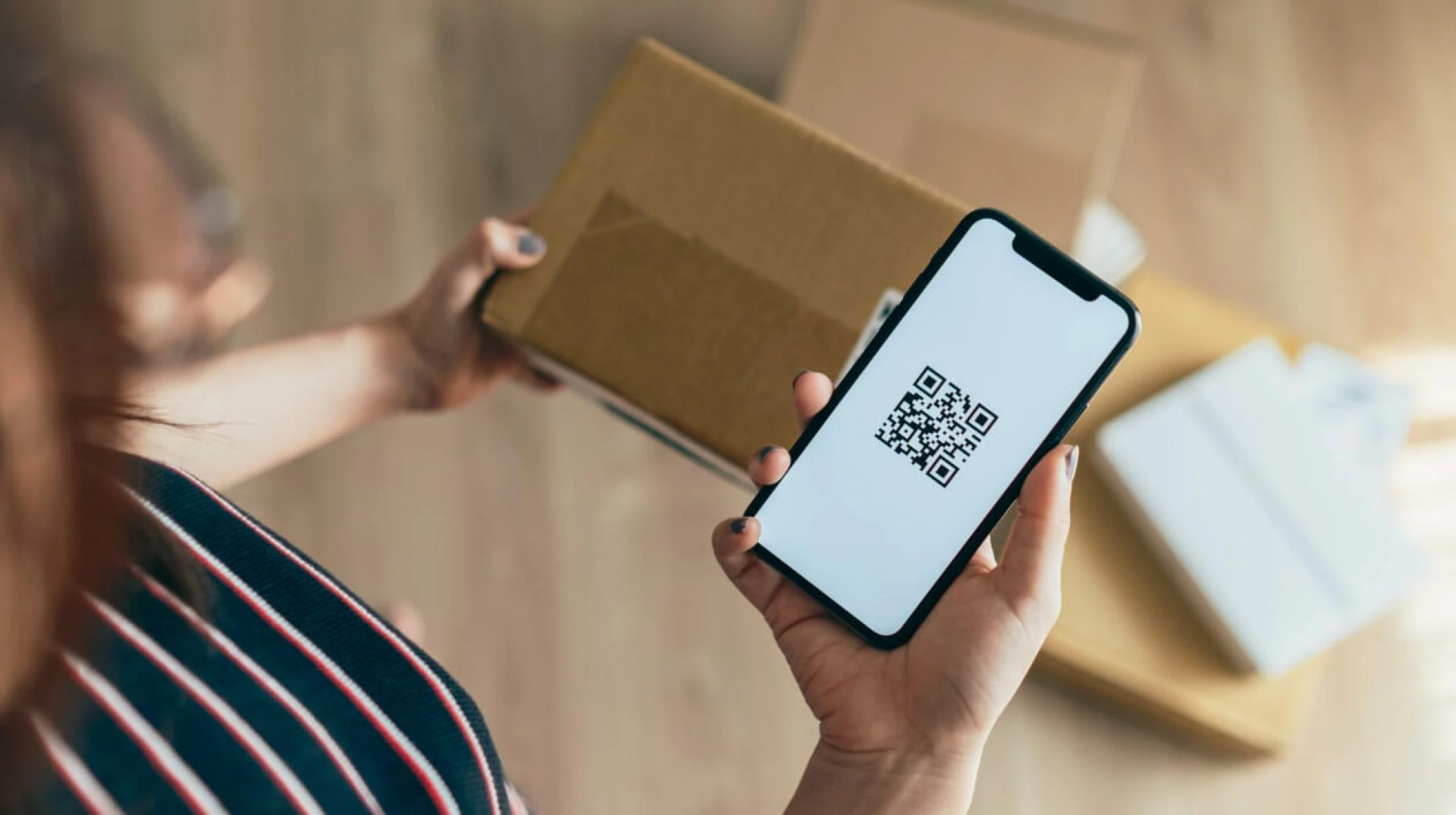

You can raise your hand if you had the pleasure of scanning the QR code.
*Looks at the room*
Yep. It's true for almost everyone. They are everywhere from Coke bottles to apps. But have you thought of the incorporation of them into security protocols?
In a digital age where security is a must, QR codes have become an extremely versatile and cutting-edge instrument. How do we use them to meet our requirements?
What you're about to discover. Today, we'll examine how QR codes have changed in security, dispel the most common misconceptions about QR codes, and outline the best practices for their secure use.
The Evolution of QR Codes in Cybersecurity
This tiny QR code has made a significant leap since its introduction around 1994. It was developed in 1994 by Denso Wave, a Toyota subsidiary.
The initial intention was to streamline the manufacturing process of vehicles Their speedy readability and storage capacity were quickly saw them gaining wider use.
In the last decade, QR codes have become vital in security. They provide innovative solutions to safeguard sensitive data and increase users' authentication.
Benefits of QR Code Implementation in Security Practices
Here's how they are currently being utilised on the job.
User Authentication
QR codes make it easier for users to authenticate and reduce the chance of attacks based on phishing. Through the generation of unique codes to each session of login they offer a safe, seamless experience.
Data Encryption
QR codes can be used to store encrypted data, which ensures only authorized users are able to access the sensitive data. This makes them perfect to secure transactions and private communications.
Access Control
From granting physical access secure facilities to regulating the digital access points that QR codes provide, they provide an effective, flexible method to monitor access and the use.
Note: If you need to create a QR code, use a QR code generator for a quick and easy solution.
Common Misconceptions About QR Codes and Security
While QR codes could be used to gain access to information if they are not managed properly and secured, the proper security measures will minimize the risks. Utilizing secure generators and encryption of data contained in the code are both effective methods.
However, not all QR codes can provide the same degree of security. Dynamic QR codes, meaning they can be changed in real time, offer higher levels of security than static codes.
The capabilities of QR codes extends beyond the simple scanning. In the field of cybersecurity, QR codes are able to be utilized for more advanced applications, such as multi-factor authentication as well as safe data transmission.
Best Practices for Secure QR Code Usage
Always create QR codes from reliable sources to make sure they're free of malware and other potentially harmful content. Although it may sound obvious but here are some suggestions that might not be:
Implement Encryption
Secure the information stored in QR codes to provide an extra layer of protection. This guarantees that only authorized individuals are able to decode the embedded data.
Regularly Update QR Codes
Dynamic QR codes need to be frequently updated to protect against unauthorised access and to protect the embedded information.
QR Code Security Solutions in Action
Several banks have been successful in implementing QR codes to process transactions, which has reduced fraud and enhanced the experience for customers. For example, HSBC uses QR codes to secure logins and verification of transactions.
Healthcare
In the field of healthcare, QR codes securely transfer information about patients. Hospitals utilize them to keep track of medical history and share information between authorized healthcare providers safely.
Corporate Security
Businesses like IBM have incorporated QR codes in their systems for access control, allowing employees with safe access to areas that are sensitive and lessening the chance of unauthorized access.
Where the Tech is Going
Did you think that you'd read a piece on cybersecurity without reference to AI? If so, you're wrong.
Incorporating QR code with AI along with blockchain tech will provide more security. AI detects irregularities in the use of QR codes while blockchain guarantees the authenticity and reliability of the information.
In the future, as it expands, the Internet of Things (IoT) expands, QR codes can assist in securely connecting and authenticating devices to networks.
Future innovations will concentrate on improving the user experience while ensuring high security levels. You can expect to see a variety of user-friendly applications that make it easier to conduct secure transactions.
The TLDR? It'll be much better and better secured than currently, and that's a good thing.
QR Codes May Be the Future of Security
While the industry continues to experiment with QR codes to determine what they can accomplish and how they can be used, we're seeing that currently, we're just scratching the surface of the iceberg when it comes to possibilities.
QR codes provide a myriad of apps that can enhance cybersecurity frameworks for digital, ranging from improving user authentication and making sure that the transfer of information is secure. sensitive data. Implementing best practices, such as regular updates and encryption, will reduce risk and use QR codes to be a powerful security tool.
The constant integration of new technology such as AI and blockchain is further enhancing their value, setting the scene for more security measures in the near future.
In a society that is becoming increasingly dependent on digital communication and the use of QR codes may very likely define how security will evolve in the near future. It will provide the convenience of sophisticated protection that's specifically designed for the cyber world of today.





















Sign in to leave a comment.