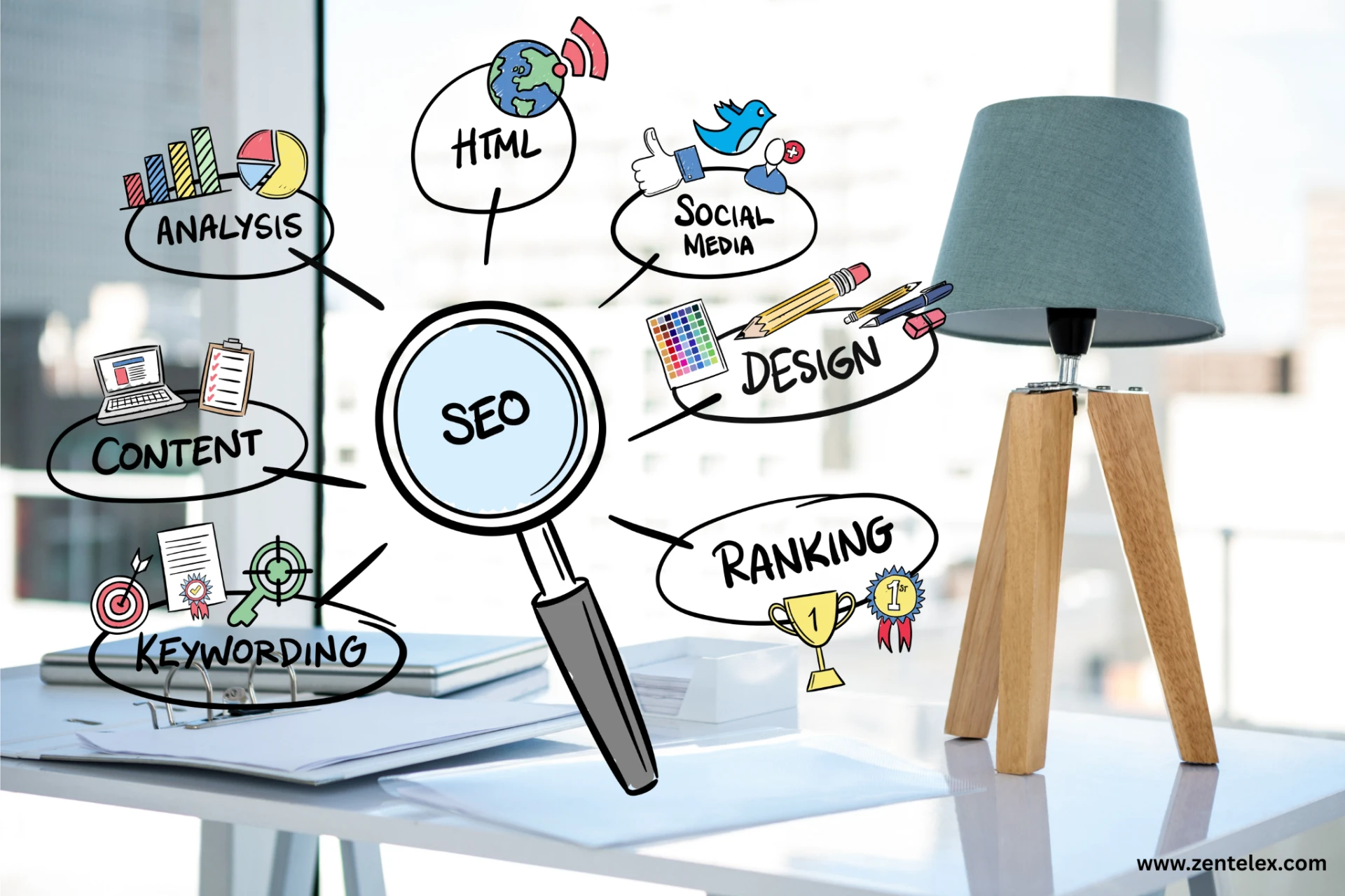
In the dynamic world of search engine optimization, the rules are evolving. Traditional keyword-stuffing strategies are no longer effective. Google and other search engines are smarter, focusing on context, intent, and meaning rather than just exact-match terms. This shift has given rise to Semantic SEO—a critical strategy that forward-thinking businesses and startups must embrace.
Whether you're a startup founder, tech executive, or marketing strategist, understanding and mastering Semantic SEO can dramatically enhance your content visibility, improve user experience, and align your digital assets with the way people actually search today.
What Is Semantic SEO?
Semantic SEO is the practice of optimizing content around topics, context, and user intent, rather than relying solely on keywords. It involves using related terms, entities, structured data, and natural language to help search engines better understand the meaning behind your content.
In simple terms, it’s about teaching search engines what your content means, not just what it says. The goal? Improve content relevance and SERP rankings while providing richer value to human readers.
Key Elements of Semantic SEO:
- Topic clusters and content depth
- Contextual keyword variations
- Natural language and conversational phrasing
- Structured data (schema markup)
- Internal linking to related themes
Why Startups and Businesses Must Pay Attention
In 2025, semantic search is no longer a future trend—it’s the present. For startups and businesses trying to grow online visibility, mastering Semantic SEO is an advantage that separates market leaders from digital clutter.
1. Improved Visibility Across Long-Tail Searches
Consumers search in increasingly complex ways. Instead of typing “best CRM,” a user might search for “best CRM platform for B2B SaaS startups with integrations.” Semantic SEO helps your content get discovered for such nuanced, specific searches.
2. Authority Through Topic Expertise
By building content around entire topics rather than single keywords, your website begins to appear as a credible authority in your niche. This creates long-term value, trust, and consistent organic traffic—key assets for lean startups and growing businesses.
3. Voice and AI Search Readiness
The rise of voice assistants and AI-powered search means users interact conversationally with search engines. Semantic SEO prepares your content for this world by aligning with natural language and semantic patterns.
How Semantic SEO Works: A Practical Breakdown
Let’s say you're building a landing page for your startup’s marketing automation software. Instead of optimizing just for "marketing automation software," Semantic SEO encourages you to:
- Include related topics like “email campaigns,” “lead nurturing,” “sales funnel automation,” and “CRM integration.”
- Answer intent-based questions like “how does marketing automation work for small businesses?”
- Use schema markup to tell Google what kind of product or service you’re offering.
This multi-dimensional approach increases your chances of ranking for a wider variety of searches, all while reinforcing your site’s topical relevance.
Steps to Mastering Semantic SEO
1. Start with Comprehensive Topic Research
Shift your focus from keywords to topics. Use tools that show related questions, synonyms, and semantic variants. Look for:
- What problems users are trying to solve
- How they phrase their questions
- Related subtopics and content gaps
For example, if you're writing about "cybersecurity for startups," subtopics might include “data protection,” “compliance,” “phishing prevention,” and “secure cloud storage.”
2. Use Natural Language and Related Entities
Google uses NLP (natural language processing) to understand content. Include semantically related terms and entities in your content naturally. If you’re writing about “digital marketing,” terms like “SEO,” “PPC,” “content strategy,” and “customer personas” add contextual depth.
Pro Tip: Don’t chase keyword density—chase clarity, flow, and informational richness.
3. Build Content Hubs and Topic Clusters
Create pillar pages for your core topics and support them with detailed subpages. For instance:
- Pillar Page: “Ultimate Guide to B2B SaaS Marketing”
- Subpages: “LinkedIn Strategies for SaaS,” “Onboarding Email Sequences,” “Freemium Conversion Tactics”
Internal linking between these pages strengthens topical authority, a major signal for semantic relevance.
4. Optimize for Featured Snippets and People Also Ask
Semantic SEO increases your chance of being featured in “People Also Ask” boxes and featured snippets. To capitalize:
- Use question-style subheadings (H2s and H3s)
- Provide direct, concise answers under those headings
- Include lists, tables, and how-to sections
These features improve click-through rates and help you dominate SERP real estate.
5. Implement Schema Markup
Structured data tells search engines what your content is about using a universal language. Add schema for:
- Articles and blogs
- FAQs
- Products or services
- Local business details
While schema isn’t a direct ranking factor, it enhances how your content is displayed and improves semantic signals.
The Future of SEO Is Semantic
For forward-thinking businesses, the writing is on the wall: Semantic SEO is the new standard.
With the emergence of generative AI, zero-click searches, and conversational interfaces, contextual relevance is more important than keyword matching. Google’s algorithms now reward pages that provide comprehensive, meaningful, and well-structured content around a central idea.
Consider This:
- Over 50% of searches are four words or longer.
- More than 70% of users prefer results that closely match intent, not just keywords.
- Semantic search helps capture more evergreen, long-tail traffic.
In short, if your content speaks the language of real users and reflects topical authority, you win.
Use Cases for Startups and Tech Businesses
1. SaaS Startups
Use semantic content to build authority around your niche—whether it’s team collaboration, automation, or project management. Speak the language of your users while addressing pain points from multiple angles.
2. E-commerce Brands
Don’t just target “running shoes.” Create content about “best running shoes for beginners,” “trail running gear,” and “how to pick running shoes for wide feet.” Help customers make decisions through rich, helpful content.
3. B2B Enterprises
Craft landing pages that answer business-critical questions. For example, if you're offering cybersecurity solutions, address the buyer’s journey from awareness to decision-making with semantically connected resources.
Final Thoughts: Mastering Semantic SEO for Long-Term Growth
The internet is flooded with content—but relevance wins. Mastering Semantic SEO allows your brand to rise above the noise by building trust, topical authority, and discoverability. For startups and entrepreneurs, it’s a way to stretch marketing resources and outperform larger competitors by being smarter, not louder.
As search evolves, so must your content strategy. Integrate semantic principles into your content planning, copywriting, and technical SEO. Use structured data, create depth, and focus on human intent. It’s not about gaming the system—it’s about genuinely understanding what your audience seeks and delivering it better than anyone else.
In the digital economy, relevance is currency. And mastering Semantic SEO is how you earn it.




























Sign in to leave a comment.