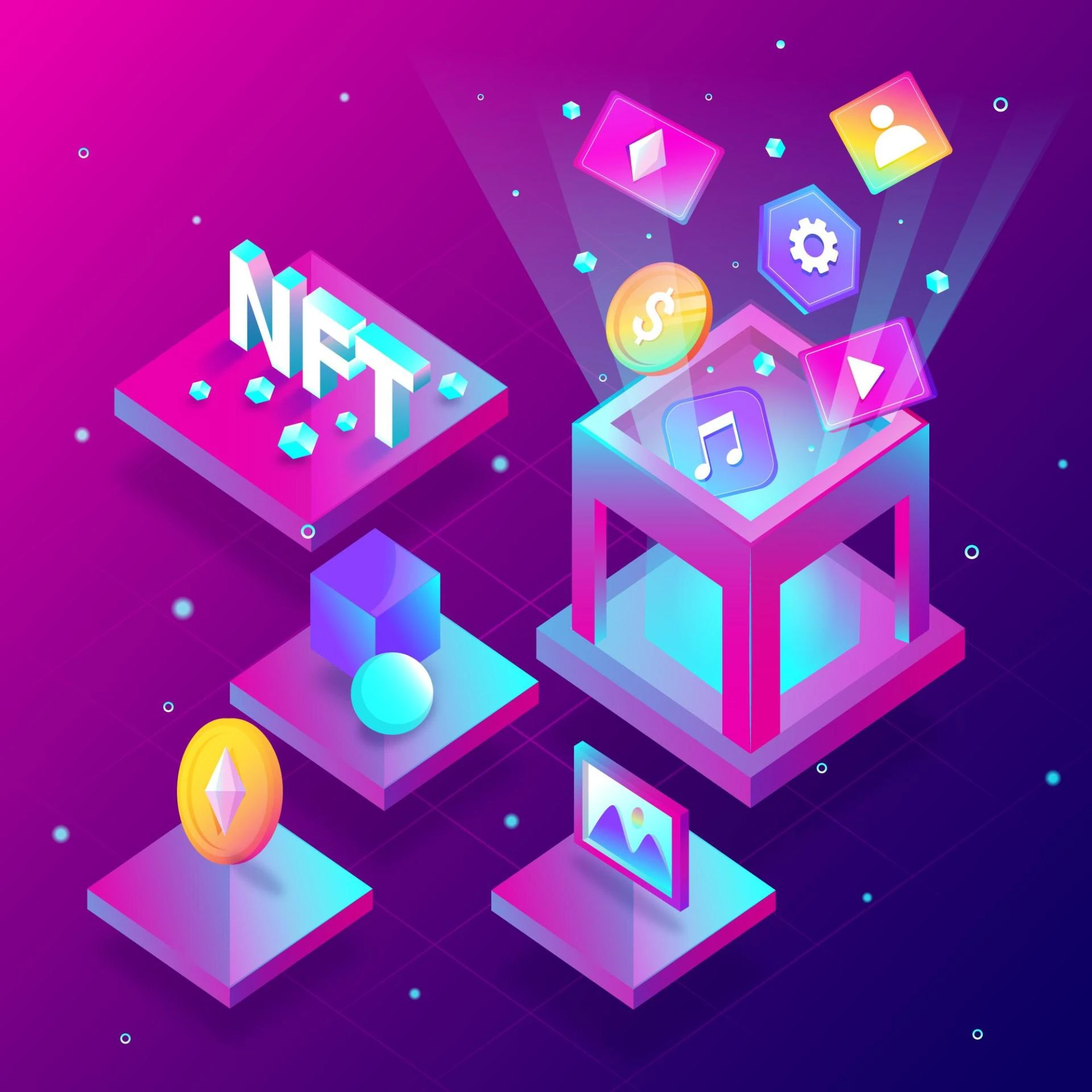

NFTs have emerged as a revolutionary new asset class, allowing creators to monetize digital content and collectors to own unique and valuable assets. According to a report by NonFungible, NFT marketplace development saw a massive surge in growth in 2021, with sales reaching over $2 billion in the first quarter alone.
Building a booming NFT marketplace is becoming increasingly important with such rapid growth. It requires careful attention to critical factors such as blockchain choice, user interface design, security, community building, and value-added services.
Tips to Make Your NFT Marketplace Succeed
1. Find Your Unique Place in the Market
The world of NFTs is vast and varied, and it can be overwhelming for new marketplaces to try to compete with the big players. One way to stand out is to identify a specific niche or market that you can cater to. It could be anything from NFTs for particular industries, like gaming or fashion, to NFTs created using a specific medium, like Virtual Reality or Augmented Reality. By finding your unique place and focusing on one particular audience, you can differentiate your platform and create a community of dedicated users.
2. Choosing the Right Blockchain Is Critical
Choosing a suitable blockchain is critical for NFT marketplace development, as it can impact the platform's performance, security, and accessibility. Ethereum is the most common blockchain for NFTs. However, it has high gas fees and slow transaction times, making it less desirable for smaller marketplaces, creators, and collectors looking to minimize costs.
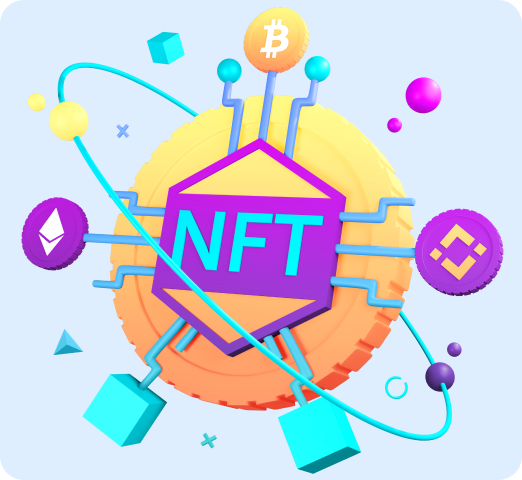
Alternative blockchain networks such as Binance Smart Chain and Flow have gained popularity recently due to their faster transaction times and lower fees. According to DappRadar, Binance Smart Chain has surpassed Ethereum in terms of daily active unique wallets for NFT trading in the first quarter of 2022. Meanwhile, Flow, the blockchain used by NBA Top Shot, offers faster transaction times and has attracted several popular NFT projects.
In addition to performance and cost considerations, marketplaces should also consider the level of security and decentralization offered by their chosen blockchain network. Ethereum's long-standing reputation as a secure and decentralized network can provide peace of mind to creators. Collectors don’t have to be concerned about the authenticity and ownership of their NFTs.
3. Create an Intuitive NFT Marketplace Interface
Creating an intuitive and user-friendly interface is essential for the success of any NFT marketplace. A well-designed platform makes it easier for users to browse and purchase NFTs, enhances the overall user experience, and builds trust in the forum.
To create an effective user interface, it's essential to consider the needs and preferences of your target audience. Conduct user research and gather feedback from early adopters to identify pain points and areas for improvement.
Some best practices for NFT marketplace design include:
Simplify Navigation: Users should be able to easily find and access different parts of the marketplace, such as NFT listings, creator profiles, and account settings.Provide Clear and Concise Information: Listings should include relevant details such as artwork descriptions, creator bios, and provenance information. Users should be able to view this information at a glance and easily understand the value and authenticity of NFT.Make the Purchasing Process Easy: Buying an NFT should be clear and straightforward, with options for different payment methods and instructions for completing the transaction.Build Trust With Security Measures: Users should feel confident that their personal information and NFTs are secure on the platform. Keep It Visually Appealing: Aesthetics are crucial in user engagement. The design should be visually pleasing and highlight the uniqueness of each NFT.
4. Security and Reliability Are the Keys to Trustworthiness
NFTs are valuable digital assets requiring high security and reliability to ensure authenticity and ownership. Therefore, building a trustworthy NFT marketplace is critical to attracting and retaining creators and collectors.
There are several measures that NFT marketplaces can take to enhance security and reliability, including:
Secure Storage: NFTs should be stored in secure and encrypted wallets to prevent unauthorized access or theft. Marketplaces can utilize cold storage solutions, multi-sig wallets, and other security protocols to protect user assets.Provenance and Authenticity: NFTs should come with clear and transparent provenance and authenticity information, such as the identity of the creator, the creation date, and the ownership history.Smart Contract Auditing: Smart contracts are the backbone of NFTs and must be thoroughly audited to ensure their security and reliability. Third-party auditors can review smart contracts to identify vulnerabilities and prevent hacks.User Verification: Marketplaces can implement user verification measures such as KYC to prevent fraudulent activity and ensure compliance with regulatory requirements.Reliable Infrastructure: Marketplaces must ensure their infrastructure is reliable and can handle high traffic volumes. Utilize scalable cloud-based solutions and regularly maintain disaster recovery plans.
NFT marketplaces can build trust and create a sustainable platform by prioritizing security and reliability. It's important to note that security is an ongoing process, and marketplaces must regularly review and update their security.
5. Foster a Strong Network of NFT Creators and Collectors
Building a solid community of NFT creators and collectors is crucial for the success of any NFT marketplace. A vibrant community can foster collaboration, creativity, and engagement and ultimately drive the growth and adoption of the platform.
Here are some strategies for fostering a strong NFT community:
Host Events: Organize virtual meetups, workshops, and exhibitions to unite the community and encourage collaboration and creativity.Social Media Engagement: Leverage social media channels like Twitter, Discord, and Telegram to engage with the community and share updates and announcements.Creator Incentives: Offer discounts, promotions, and royalties to attract and retain creators on the platform. They can encourage creators to bring their fans and followers to the forum, increasing engagement and activity.User-generated Content: Encourage user-generated content such as fan art, memes, and other creative works. Feedback and Support: Provide regular feedback and support to creators and collectors to build trust and loyalty. Offer customer support, host Q&A sessions, or solicit feedback through surveys or polls.
6. Set Your NFT Marketplace Apart With Unique Offerings
Value-added services are essential for setting your NFT marketplace apart from competitors and creating a unique selling proposition. These services can enhance the user experience, increase engagement, and ultimately drive growth and revenue for the platform.
Here are some examples of value-added services that NFT marketplaces can offer:
Allow users to purchase a fraction of an NFT, making high-value assets accessible to a broader audience.Incorporate gaming elements such as leaderboards, achievements, and rewards to incentivize engagement and create a sense of fun and competition.Offer auction services to enable creators to sell their NFTs to the highest bidder, generating buzz and excitement around rare and valuable assets.Enable curated collections of NFTs based on different themes or categories, showcasing the platform's unique value proposition and catering to the preferences of specific user segments.Integrate with secondary marketplaces to allow users to resell NFTs and earn sales commissions.Offer tie-ins with physical products such as limited-edition merchandise, artwork prints, or other collectibles, adding value and exclusivity to NFT purchases.
Key Takeaways
NFTs are a fast-growing market, and competition is increasing. Therefore, NFT marketplaces must differentiate and offer unique value propositions to stand out in a crowded market. By investing in these critical areas, NFT marketplaces can create a trusted, engaging, and profitable platform, ultimately driving growth and adoption of the platform.






Sign in to leave a comment.