
Introduction:
In today's digital age, effective product photography plays a crucial role in the success of e-commerce businesses. Captivating product images have the power to engage customers, evoke desire, and ultimately drive sales. However, creating stunning visuals for your online store requires more than just a good camera. It involves careful planning, attention to detail, and a deep understanding of your target audience. In this blog post, we will delve into the secrets behind a successful e-commerce product photoshoot, revealing the key factors that contribute to compelling visuals that sell.
Preparing for the Shoot:Before you even pick up the camera, thorough preparation is essential for a successful e-commerce product photoshoot. This stage involves understanding your product, defining your objectives, and creating a detailed plan to achieve your desired results. Consider factors such as the target audience, brand identity, desired mood, and any specific product features you want to highlight.
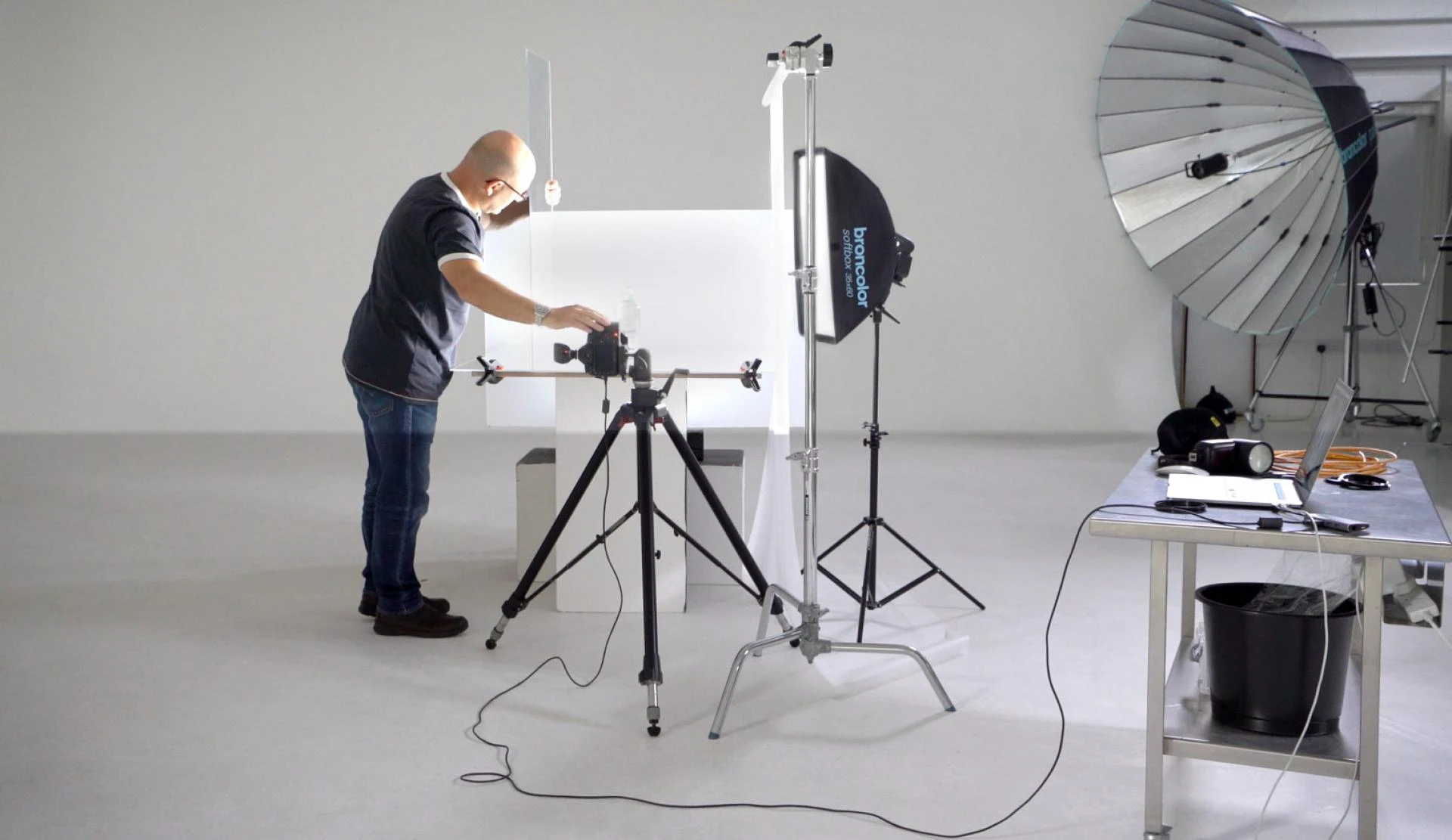
Choosing the Right Equipment:While you don't need the most expensive camera gear to create stunning product images, having the right equipment can significantly enhance the quality of your photographs. Invest in a high-resolution camera, suitable lenses, and lighting equipment that suits your shooting environment. Additionally, using a tripod and remote shutter release can help maintain stability and eliminate camera shake for sharp, professional-looking images.
Setting the Stage:Creating an appealing backdrop and setting for your products is crucial in e-commerce photography. Determine whether a clean, minimalist background or a more lifestyle-oriented scene best showcases your product. Use props, textures, and colors that complement the product and align with your brand's aesthetic. Experiment with different compositions and angles to add visual interest and highlight the product's unique features.
Lighting Techniques:Lighting is arguably one of the most critical aspects of product photography. Properly lit products can appear more appealing, highlight details, and create a sense of depth. Natural light can work well for certain products, but it can be inconsistent. Investing in artificial lighting, such as softboxes or studio lights, provides more control over the lighting conditions. Experiment with different setups, diffuse the light to avoid harsh shadows, and consider using reflectors or bounce cards to fill in shadows and create a balanced look.
Styling and Composition:The way you style and compose your product images can significantly impact their visual appeal and ability to capture customers' attention. Pay attention to details such as product placement, arrangement, and the overall composition. Utilize the rule of thirds, leading lines, and negative space to create visually pleasing and balanced compositions. Highlight the product's unique selling points and emphasize its functionality through careful positioning and creative angles.
Editing and Post-Processing:Post-processing is an essential step in e-commerce product photography. It involves enhancing the images, correcting any imperfections, and optimizing them for online display. Use photo editing software like Adobe Photoshop or Lightroom to adjust brightness, contrast, color balance, and remove any distractions or blemishes. However, it's important to strike a balance between enhancing the image and maintaining a realistic representation of the product.
Conclusion:
Behind every successful e-commerce product photoshoot lies a combination of careful planning, attention to detail, and creative execution. By understanding your target audience, preparing meticulously, and applying the right techniques, you can create compelling product images that entice customers and drive sales. Remember to adapt and evolve your approach based on feedback and changing market trends. With the secrets unveiled in this blog post, you are now equipped to elevate your e-commerce product photography and showcase your products in their best light.
write me a structured blog for "Mastering the Art of E-Commerce Product Photography: Tips and Tricks for Captivating Visuals" ChatGPT
Title: Mastering the Art of E-Commerce Product Photography: Tips and Tricks for Captivating Visuals
Introduction:
In the world of e-commerce, captivating visuals are essential for attracting customers and driving sales. When potential buyers cannot physically interact with products, high-quality product photography becomes the key to success. To help you elevate your e-commerce product photography game, we have gathered a collection of tips and tricks that will guide you towards mastering this art. From equipment selection to styling techniques, this blog post will provide valuable insights to help you create visually appealing product images that leave a lasting impact.
Invest in Quality Equipment:To produce exceptional product images, investing in quality photography equipment is essential. While you don't need the most expensive gear, certain tools will greatly enhance your results. Consider a high-resolution camera with interchangeable lenses to capture fine details. Additionally, tripods, remote shutter releases, and lighting equipment such as softboxes or studio lights will contribute to stability and optimal lighting conditions.
Understand Your Target Audience:Before diving into your product photoshoot, take the time to understand your target audience. Consider their preferences, aesthetics, and the message you want to convey. This understanding will help you tailor your product images to appeal directly to your intended customers.
Plan Your Shoot:Successful e-commerce product photography begins with thorough planning. Define your objectives, identify the key features of your products you want to highlight, and establish a cohesive visual style that aligns with your brand identity. Create a shot list and consider the angles, compositions, and backgrounds that will best showcase your products. This planning stage will ensure efficiency and consistency throughout the shoot.
Lighting is Key:Proper lighting can make or break a product photo. Experiment with different lighting setups to achieve the desired mood and highlight product details effectively. Natural light can work well for some products, but consider investing in artificial lighting options that offer more control. Diffuse the light to avoid harsh shadows and use reflectors or bounce cards to fill in shadows and create a balanced look.
Styling and Composition:Styling and composition play a vital role in creating visually captivating product images. Pay attention to every detail, from product arrangement to props and backgrounds. Use composition techniques such as the rule of thirds, leading lines, and negative space to create visually pleasing and balanced compositions. Experiment with different angles to highlight unique product features and create a sense of depth.
Showcase Product Functionality:In e-commerce, customers rely on product images to understand the functionality and benefits of a product. Showcasing how the product is used in real life can greatly enhance its appeal. Capture images that demonstrate the product's features, illustrate its purpose, or showcase it in a lifestyle context. This approach helps customers visualize themselves using the product, increasing their desire to make a purchase.
Post-Processing and Editing:Post-processing is an essential step in e-commerce product photography. Use photo editing software like Adobe Photoshop or Lightroom to fine-tune your images. Adjust brightness, contrast, color balance, and sharpness to ensure your products look their best. However, be mindful not to over-edit and maintain a realistic representation of the product to build trust with potential buyers.
Consistency is Key:Consistency is crucial when it comes to e-commerce product photography. Ensure that your images maintain a consistent style, background, lighting, and overall aesthetic. This consistency will create a cohesive brand identity and make your online store more visually appealing and professional.
Conclusion:
Mastering the art of e-commerce product photography requires a combination of technical skills, attention to detail, and creativity. By investing in quality equipment, understanding your audience, planning your shoots meticulously, and implementing effective lighting, styling, and composition techniques, you can create visually captivating product images that grab attention and drive sales












Sign in to leave a comment.