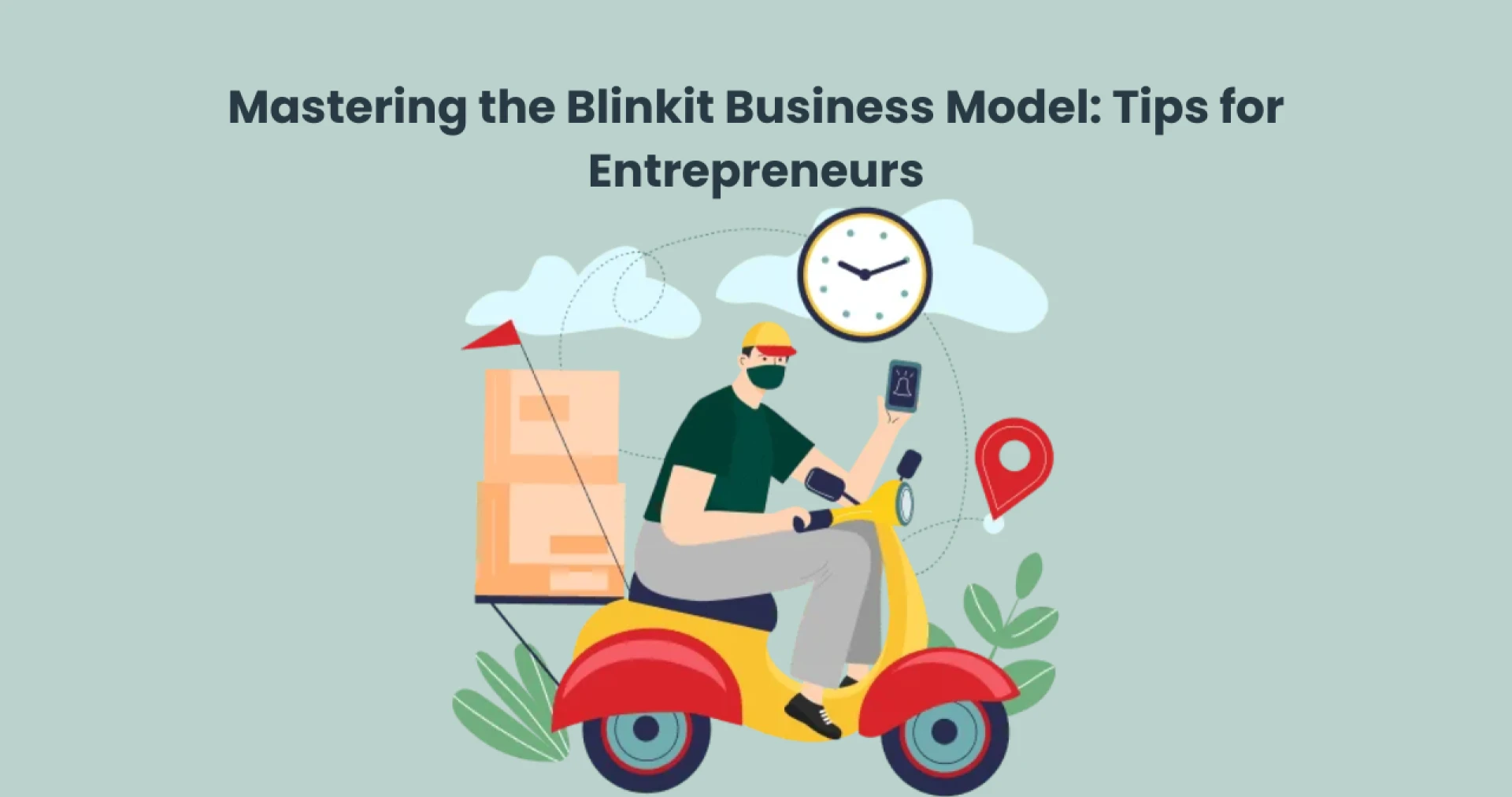

The rapid growth of quick commerce has transformed how consumers shop for groceries and essentials. One of the most notable players in this space is Blinkit, formerly known as Grofers. Blinkit has mastered the art of delivering everyday items within a few minutes, a feat that many businesses aspire to replicate.
If you’re an entrepreneur looking to build a business model similar to Blinkit or simply interested in understanding how it works, this guide will provide you with practical insights. We’ll break down the Blinkit business model, and its key components, and offer tips to help you master a similar approach.
What Makes Blinkit Stand Out?
Speed as the Core Value
Blinkit has positioned itself as the go-to platform for ultra-fast deliveries. The company promises to deliver groceries and essentials in as little as 10 to 20 minutes. This speed is not just a marketing gimmick but a well-planned strategy that revolves around micro-fulfillment centers located close to residential areas.
Hyperlocal Approach
The hyperlocal delivery model allows Blinkit to focus on smaller geographic areas, making deliveries quicker and more efficient. By establishing a network of micro-warehouses within densely populated neighborhoods, the company reduces travel time significantly.
Focus on Essentials
Unlike traditional e-commerce platforms that offer a vast range of products, Blinkit narrows its focus to high-demand items. This strategy helps in maintaining quick turnover and ensuring that the most commonly ordered products are always available.
How Blinkit Generates Revenue
Delivery Charges
Blinkit charges a nominal fee for deliveries, especially if the order value is below a certain threshold. This revenue stream is crucial for maintaining profitability, particularly in areas with low order volumes.
Vendor Commissions
Local grocery stores and vendors collaborate with Blinkit to list their products on the platform. Blinkit earns a commission on every sale made through its app. This mutually beneficial relationship boosts local businesses while keeping Blinkit’s inventory diverse.
Advertising
Brands pay to feature their products prominently on the Blinkit app. These in-app advertisements are strategically placed to attract customer attention, providing an additional revenue stream.
Subscription Plans
Blinkit offers subscription plans that include benefits like free delivery and exclusive discounts. These plans encourage customer loyalty and generate recurring income.
Key Components of the Blinkit Business Model
Micro-Fulfillment Centers
These small warehouses are strategically located to ensure that items are always within a short distance of the customer. Stocking essential products that are frequently ordered helps maintain quick delivery times.
Tip for Entrepreneurs
If you’re considering adopting this model, choose densely populated areas for your micro-fulfillment centers. Conduct thorough market research to identify high-demand products and minimize stockouts.
Real-Time Inventory Management
Blinkit uses advanced technology to track inventory in real time. This system minimizes errors and ensures that customers only see products that are currently available.
Tip for Entrepreneurs
Implement robust inventory management software that integrates seamlessly with your app. This will help you keep track of stock levels and prevent customer dissatisfaction.
Delivery Network
Blinkit’s delivery network consists of local drivers who know the area well. This helps in navigating traffic and finding efficient routes, reducing delivery times.
Tip for Entrepreneurs
Partner with reliable delivery personnel who understand local routes. Consider offering incentives to encourage faster deliveries and maintain service quality.
Read More: Gojek Clone App: Manage All Your Services in One Place
Building a Blinkit-Like Business: Practical Tips
Identify Your Target Market
Before diving into quick commerce, understand the demographics of the area you want to serve. Urban areas with a high population density are ideal, as they offer a larger customer base and shorter delivery distances.
Tip
Conduct surveys and analyze local purchasing habits. Determine what items are in high demand and plan your inventory accordingly.
Prioritize Speed and Convenience
The key to Blinkit’s success is its ability to deliver quickly. To replicate this, ensure that your infrastructure and logistics are optimized for speed.
Tip
Invest in technology that supports route optimization and real-time tracking. This will help drivers find the fastest paths and keep customers updated on their orders.
Build Strong Vendor Relationships
Blinkit partners with local stores to expand its inventory. Building strong vendor relationships ensures that you have access to fresh stock and a diverse range of products.
Tip
Offer vendors fair commission rates and timely payments. Create a streamlined onboarding process to encourage more stores to join your platform.
Implement a User-Friendly App
Your app should be simple, intuitive, and easy to navigate. Features like one-click ordering, real-time order tracking, and personalized recommendations enhance the user experience.
Tip
Regularly update your app based on user feedback. Adding new features or improving existing ones will keep customers engaged.
Offer Subscription Plans
Subscription models create customer loyalty and ensure steady revenue. Blinkit’s subscription plans provide benefits like free delivery and special discounts, which encourage repeat orders.
Tip
Tailor your subscription plans to suit different customer needs. Offer a range of options, from basic plans to premium ones, to appeal to a wider audience.
Focus on Customer Support
Even with the best logistics, occasional issues are inevitable. Having a responsive customer support system helps in quickly resolving complaints, maintaining customer satisfaction.
Tip
Implement a chat feature within your app for quick assistance. Train support staff to handle issues efficiently and courteously.
Challenges You May Face
High Operating Costs
Maintaining micro-fulfillment centers can be expensive, especially in prime urban areas. Managing rent, staff salaries, and inventory can strain your budget.
Tip
Negotiate long-term leases to get better rates and minimize rent hikes. Optimize your supply chain to reduce costs without sacrificing speed.
Competition
The quick commerce industry is becoming increasingly crowded. Competing with established players like Blinkit requires a unique selling proposition and consistent service.
Tip
Focus on building a niche by offering products that other platforms don’t. Enhance customer experience through personalized services and faster delivery times.
Maintaining Delivery Speed
Traffic congestion and unexpected delays can affect your promised delivery times. Managing customer expectations is crucial.
Tip
Communicate clearly with customers about potential delays. Use data to predict peak traffic times and plan your delivery routes accordingly.
Future Opportunities
Expanding to Smaller Cities
While Blinkit currently focuses on major urban centers, smaller cities are gradually embracing online grocery delivery. Expanding your quick commerce business to these areas can help you capture new markets.
Incorporating AI
Using artificial intelligence to predict customer preferences can improve inventory management and customer satisfaction. AI-driven insights can also help in marketing and product recommendations.
Diversifying Product Range
Offering more than just groceries, such as home essentials and personal care products, can increase your average order value and customer retention.

Conclusion
Mastering the Blinkit business model requires a strategic approach to speed, convenience, and customer satisfaction. By focusing on micro-fulfillment centers, efficient delivery networks, and strong vendor partnerships, Blinkit has set a high standard in the quick commerce industry.
For entrepreneurs looking to replicate or innovate in this space, collaborating with an on-demand mobile app development company can make a significant difference. An app development company can help you build a robust, feature-rich platform tailored to your business needs. By focusing on a user-friendly interface, real-time tracking, and efficient logistics, you can create a successful quick commerce app that meets modern consumer demands.

























Sign in to leave a comment.