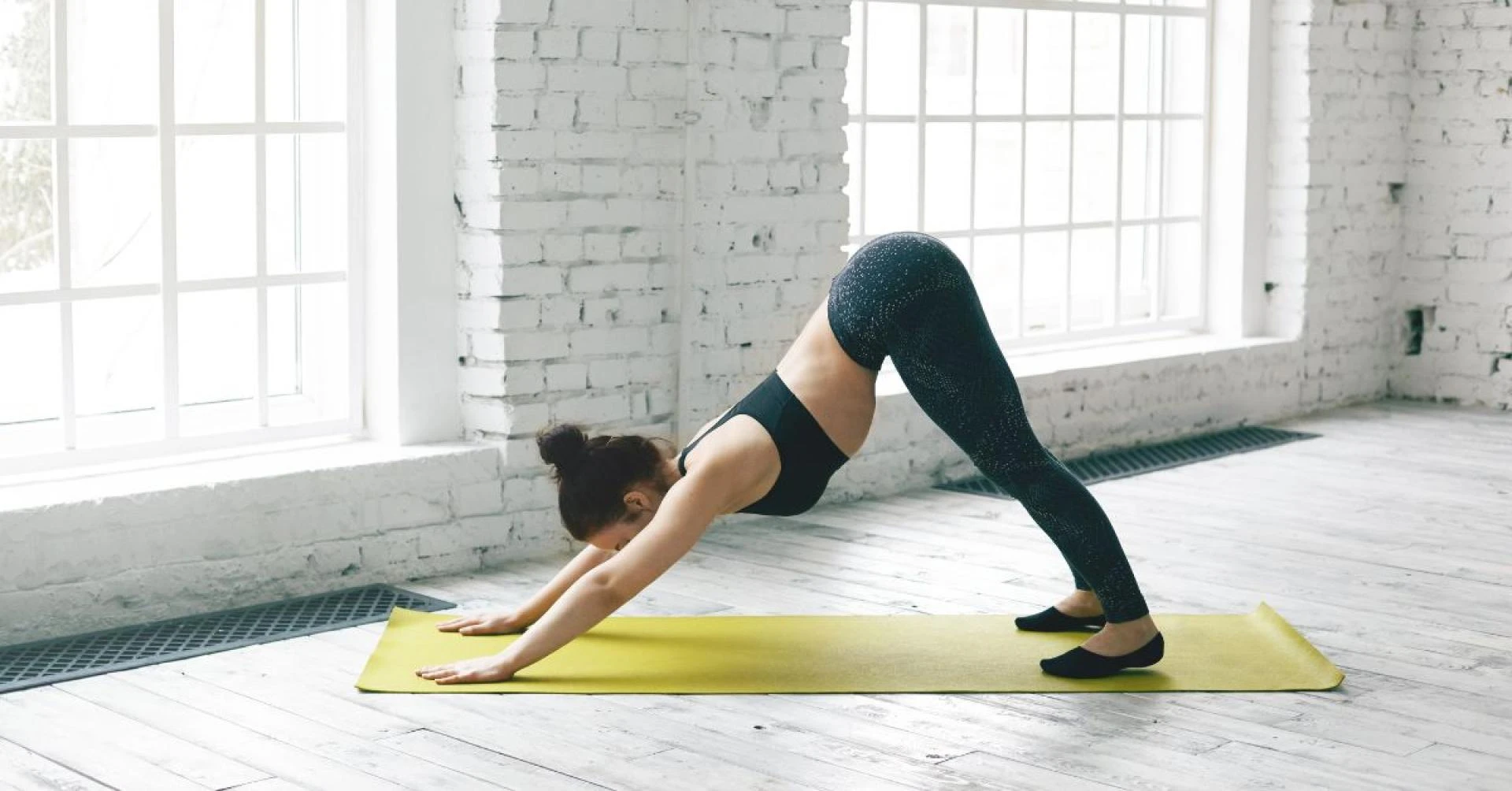

Why Downward Dog Deserves Your Attention
When you think of yoga, chances are the image of someone gracefully folded into the downward dog position comes to mind. Known as Adho Mukha Svanasana in Sanskrit, this foundational pose is a hallmark of yoga practice worldwide. But don’t let its simplicity fool you. The downward dog is more than just a transition pose—it’s a powerhouse for building strength, flexibility, and mindfulness.
In this guide, we’ll dive deep into everything you need to know about downward dog. We’ll cover its benefits, how to do it correctly, common mistakes to avoid, modifications for all levels, and even fun facts you probably didn’t know. Whether you’re a seasoned yogi or just starting out, this article will make you love (and perfect) your downward dog.
What Is Downward Dog? A Pose With a Purpose
At first glance, downward dog looks like a simple stretch. You plant your hands and feet on the ground, lift your hips toward the sky, and form an inverted V-shape. But there’s so much more to it! This pose combines elements of strength, flexibility, and balance, making it a cornerstone in many yoga sequences, including sun salutations and vinyasa flows.
The Origins of Downward Dog
Downward dog is inspired by the natural stretch of a dog’s body when it wakes up. In yoga philosophy, poses often mimic animals and elements of nature to promote harmony between the body and the environment. The downward dog symbolizes rejuvenation and a return to your natural rhythm.
Why Is Downward Dog So Popular? The Benefits of This Pose
Downward dog is more than Instagram-worthy; it offers a range of benefits for your body and mind:
1. Strengthens Your Body
- Upper body: Supports weight through your arms, shoulders, and wrists.
- Core: Engages your abdominal muscles to maintain stability.
- Legs: Stretches and strengthens your hamstrings, calves, and thighs.
2. Improves Flexibility
- Lengthens your spine and creates space between your vertebrae.
- Stretches the backs of your legs, relieving tension from sitting or standing for long periods.
3. Boosts Circulation
- The inverted position encourages blood flow to your brain and heart, promoting a sense of calm and focus.
4. Relieves Stress
- Combines deep breathing with a restorative stretch to reduce stress and anxiety.
5. Enhances Posture
- Counteracts the effects of poor posture by opening up your chest and elongating your spine.
Step-by-Step Guide to Doing Downward Dog Correctly
Achieving the perfect downward dog isn’t about flexibility; it’s about alignment and awareness. Follow these steps:
1. Start in Tabletop Position
- Begin on your hands and knees, with your wrists directly under your shoulders and knees under your hips.
- Spread your fingers wide and press evenly into your palms.
2. Tuck Your Toes and Lift Your Hips
- Tuck your toes under and push through your hands to lift your hips toward the ceiling.
- Aim to form an inverted V-shape with your body.
3. Align Your Body
- Arms: Keep them straight but not locked. Your biceps should frame your ears.
- Spine: Lengthen your back and avoid rounding or over-arching.
- Legs: Straighten your legs if possible, but keep a slight bend in your knees if your hamstrings are tight.
4. Engage and Adjust
- Engage your core to support your lower back.
- Press your heels toward the floor (even if they don’t touch).
- Relax your head and neck, letting your gaze fall between your legs.
Common Mistakes and How to Fix Them
Even experienced yogis can fall into these traps. Here’s how to avoid them:
1. Collapsed Shoulders
- Mistake: Letting your shoulders sink toward your ears.
- Fix: Actively press into your hands and draw your shoulder blades away from your ears.
2. Rounded Spine
- Mistake: Curving your back instead of lengthening it.
- Fix: Focus on lifting your hips higher and elongating your spine.
3. Overloading the Wrists
- Mistake: Putting too much weight on your wrists.
- Fix: Distribute weight evenly between your hands and feet. Press into the base of your fingers.
4. Locked Knees
- Mistake: Hyperextending your legs, which can strain your joints.
- Fix: Keep a soft bend in your knees to protect your joints.
Modifications for Every Level
Whether you’re a beginner or looking to deepen your practice, there’s a version of downward dog for you:
For Beginners
- Bent Knees: Keep your knees bent to focus on lengthening your spine.
- Wall Support: Practice with your hands on a wall to reduce pressure on your wrists.
For Intermediate Yogis
- One-Legged Dog: Lift one leg toward the ceiling to challenge your balance and strength.
For Advanced Practitioners
- Deep Stretch: Walk your hands closer to your feet for a more intense hamstring stretch.
- Transitions: Flow into downward dog from poses like plank or cobra for a seamless sequence.
Downward Dog Variations You’ll Love
Mix things up with these fun variations:
1. Puppy Pose
- A gentler version where you keep your knees on the ground.
2. Dolphin Pose
- Rest on your forearms instead of your hands for a shoulder-strengthening challenge.
3. Twisting Downward Dog
- Reach one hand to the opposite ankle for a spinal twist.
Fun Facts About Downward Dog
- It’s one of the most photographed yoga poses on social media.
- In traditional yoga texts, downward dog is considered a calming pose that prepares you for meditation.
- The pose helps improve digestion by gently massaging your abdominal organs.
Frequently Asked Questions
1. Can I Do Downward Dog If I Have Wrist Pain?
Yes! Modify the pose by practicing on your forearms or using yoga blocks.
2. How Long Should I Hold Downward Dog?
Start with 3-5 breaths and gradually increase as your strength improves.
3. What If My Heels Don’t Touch the Ground?
No worries! Flexibility takes time. Focus on the stretch rather than touching your heels down.
Conclusion: Embrace the Magic of Downward Dog
The downward dog is more than just a yoga pose—it’s a gateway to better health, mindfulness, and inner peace. With consistent practice and attention to detail, you can master this iconic posture and enjoy all its amazing benefits. So unroll your mat, plant your hands, and let your downward dog shine!








Sign in to leave a comment.