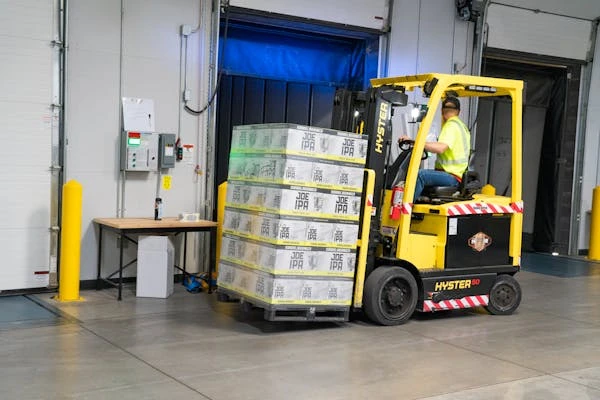

Growing businesses eventually hit the same question: do we add more space, or make better use of what we have? For warehouses, distribution centers, and even busy retail stockrooms, a mezzanine often becomes the quiet hero of that decision. Instead of expanding the footprint, a mezzanine turns vertical space into usable square footage — without the disruption or expense of a full construction project. It’s one of those solutions that people appreciate most once they see it in action.
Turning Overhead Space Into Working Space
Many facilities have unused headroom, and mezzanines take advantage of it in a straightforward way. By creating an elevated platform, you gain room for storage, workstations, packing areas, or even light assembly. That extra surface area helps teams spread out tasks and streamline movement. It’s not unusual for operations to feel less cramped almost overnight. When employees move more freely and equipment has a place to live, productivity rises and minor frustrations drop away.
Better Flow Without a Remodel
A mezzanine boosts capacity without changing the building footprint or interrupting daily work the way construction often does. That difference matters for businesses that can’t afford downtime. Installations typically happen in phases, and once in place, the structure becomes part of the natural workflow. Teams can store slower-moving inventory up top, keep fast-moving materials accessible at floor level, and create a logical path for picking, packing, or staging. The result is a cleaner, more organized environment that feels built to match the pace of the operation.
Safety and Structure Go Hand in Hand
A well-designed mezzanine balances space creation with safety. Guardrails, stairways, and load ratings are carefully planned so the platform not only holds weight but handles daily activity comfortably and confidently. For many businesses, adding safety gates or lift systems simplifies moving materials up and down while protecting employees. That layered attention builds trust — people work more comfortably when they know the structure supporting them is designed for real-world use.
Flexibility for Future Growth
Mezzanines support today’s needs while offering room to adapt. As product lines grow or workflows change, the platform can shift with them. Racking systems, conveyor components, and modular offices can all integrate into mezzanine space, turning a simple structure into a long-term operational asset. Businesses often find that once they use one mezzanine effectively, they begin seeing more opportunities to optimize vertical space throughout the building.
A Practical Path to Efficiency
In fast-moving facilities, square footage is more than real estate — it’s breathing room for the business. Mezzanines create that room quickly and economically. They give teams space to think, move, and work efficiently without relocating or building out. When a facility starts to feel tight, a mezzanine can serve as the reset button: a way to relieve pressure, organize inventory, and give operations the space they need to grow naturally.
Material handling systems often start with simple questions about movement, access, and efficiency. Mezzanines answer those questions with a solution that is practical, adaptable, and surprisingly elegant. They make the most of the building you already have — and sometimes, that’s exactly what a growing business needs.






























Sign in to leave a comment.