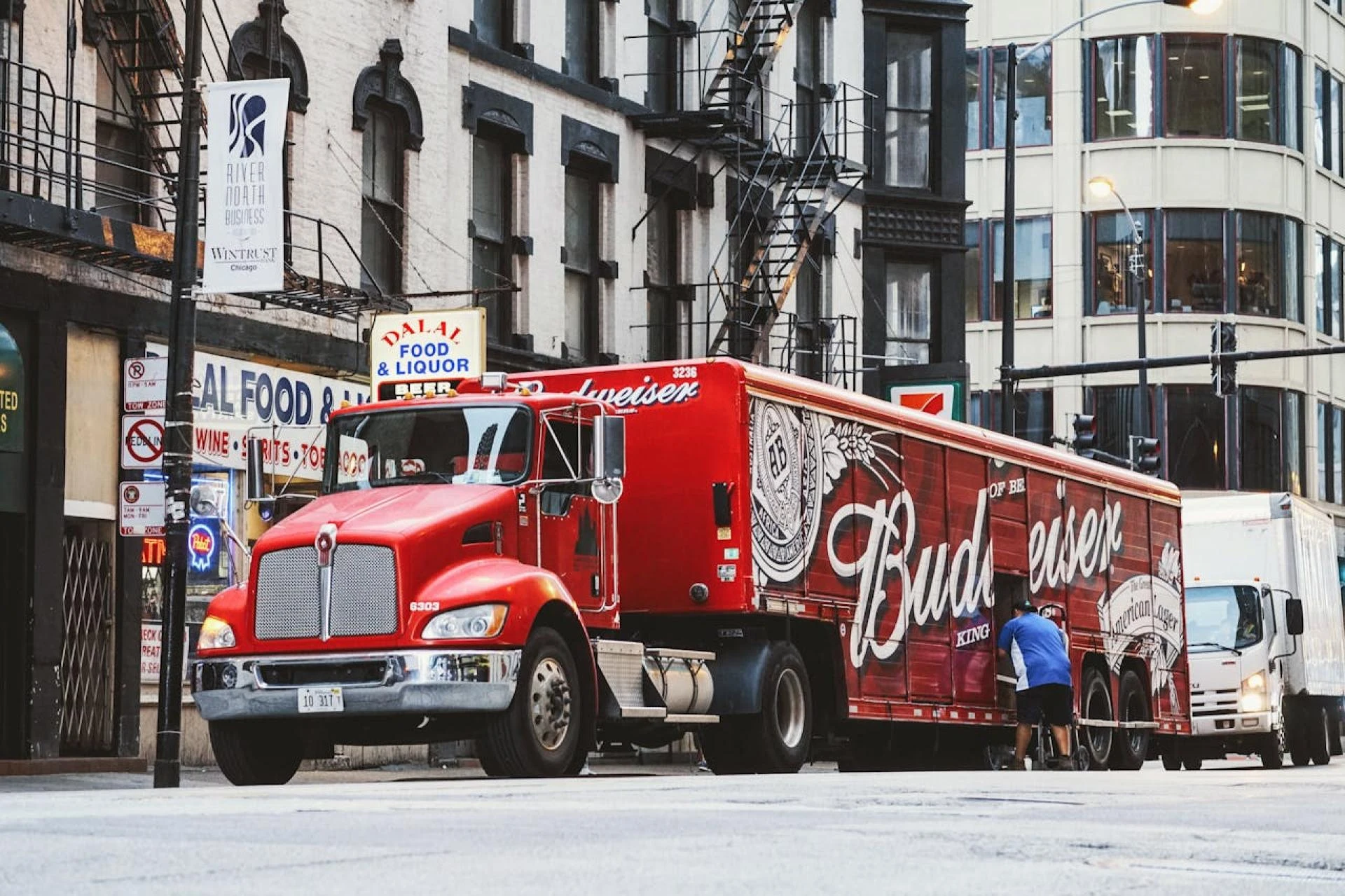

Fuel planning shapes the rhythm of a long-haul run. It affects your timing, your budget, your stress level, and the flow of your entire day. Experienced drivers know fuel decisions are rarely about the closest station — they’re about choosing the right stops, at the right times, with the right pricing and amenities to support the work ahead. Good planning turns fuel from a guessing game into a predictable part of your trip.
Know Your Range and Fuel Burn
Every truck behaves differently depending on weight, terrain, and idle habits. Tracking your real fuel burn gives you a reliable baseline for planning stops. When you know your average miles per gallon with a loaded trailer, you know how far you can safely stretch before you need to refuel. That helps avoid rushing, unnecessary detours, or the anxiety of running low in the wrong part of the country.
Watch Fuel Prices by Region
Fuel prices change state to state and often jump significantly in certain corridors. Planning ahead lets you avoid high-tax states when possible and take advantage of better pricing a few hours down the road. Apps, fleet tools, or fuel card platforms help track prices in real time, but they work best when paired with your own judgment. A cheaper stop doesn’t help if it forces you into heavy traffic or tight parking during peak hours. Balance cost with convenience.
Prioritize Safe, Spacious Stops
Pulling into a small, poorly lit station late at night can create safety concerns and slow down your schedule. Look for travel centers with wide entrances, easy maneuvering room, and clear parking options. Good lighting, visible security, and reliable restrooms matter when you spend days on the road. Smart drivers choose stops that support rest as well as refueling because a fuel break often doubles as a mental reset.
Time Fuel Stops With Your Hours of Service
Running out of drive time while hunting for fuel is one of the most frustrating mistakes for any driver. Review your hours before each leg of the trip and build fuel stops into your legal drive window. Stopping early in the day often means less competition for pumps and parking. Stopping late may demand more flexibility — or a backup plan. The best fuel strategy aligns with your clock, not against it.
Consider Amenities That Keep You Moving
A good fuel stop is rarely just fuel. Showers, food options, a clean lounge, or a repair shop on site can save time during longer trips. When you plan ahead, you can combine multiple needs — fuel, a break, a quick truck check — in one stop instead of scattering them across several. Every minute you save on the ground gives you more room to stay ahead of schedule.
Maintain Your Equipment
Fuel planning works best when your truck stays efficient. Clean filters, proper tire pressure, and regular maintenance keep your miles-per-gallon consistent and predictable. Drivers shopping for semi used trucks for sale often look for engines with strong maintenance records for this exact reason — good fuel habits start with reliable equipment.
Keep a Backup Plan
Weather, construction, or unexpected closures can interrupt even a well-planned route. Always identify a secondary stop on long stretches. A simple backup keeps you calm when the road throws surprise your way.
Fuel planning is part strategy, part discipline, and part instinct. When you take control of your route, understand your truck, and anticipate your needs, fuel stops become smoother, safer, and less stressful. Good planning doesn’t just save money — it keeps the entire trip moving with confidence.





























Sign in to leave a comment.