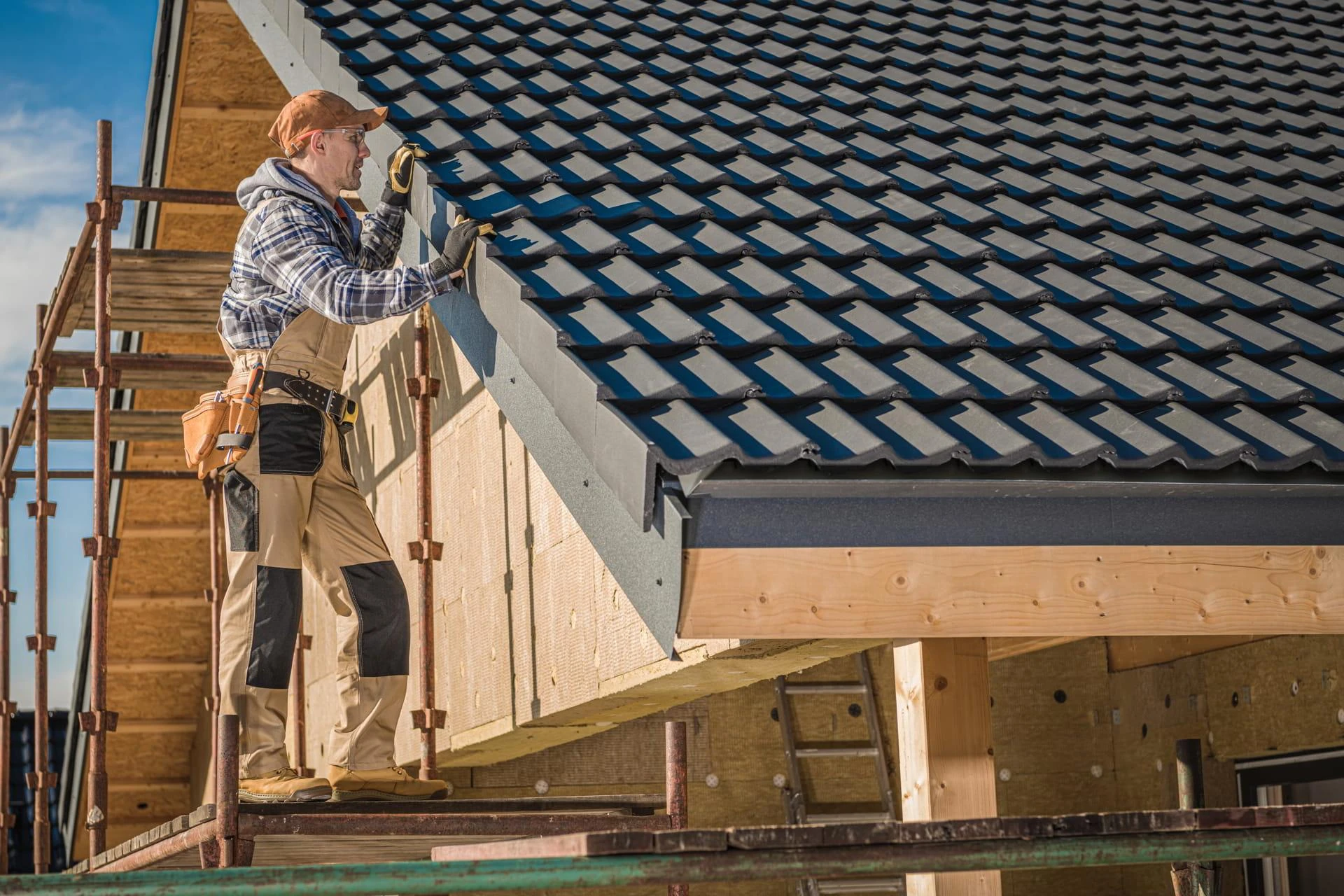

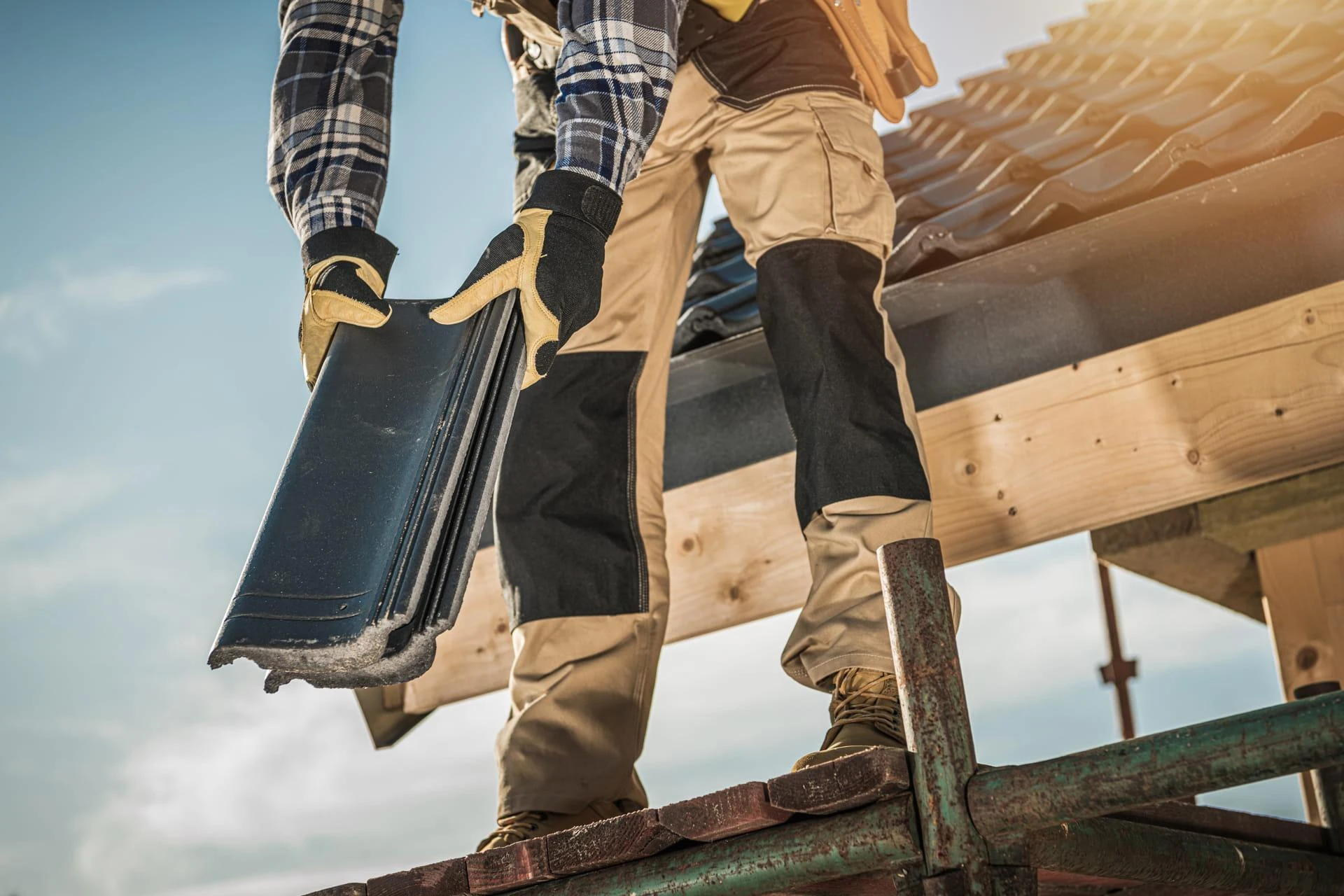
Selecting an appropriate roofing material is a choice that profoundly affects a structure's resilience, energy performance, and overall expense. Experienced roofers emphasize the importance of considering local climate when recommending materials, as weather conditions vary significantly by region. Materials suitable for one area may degrade quickly in another. Knowing which materials professionals endorse for specific climates can help homeowners and property managers save money and enjoy long-term reliability.
Why Climate Shapes Roofing Decisions
Distinct climate patterns present unique challenges for roofing, requiring knowledgeable recommendations tailored to each environment. For instance, a roofing contractor recently highlighted the benefits of suggesting metal roofs to a homeowner in a hot, arid region due to their exceptional heat tolerance and durability. Decisions like these depend on understanding weather behavior, local regulations, and the needs of the building owner.
- Intense heat can cause materials like wood or asphalt to warp.
- Freezing temperatures may result in cracks in clay tiles or similar rigid options.
- Persistent humidity promotes algae growth, necessitating protective coatings.
Roofing Solutions for Hot Environments
Regions with intense heat call for roofing materials capable of reflecting sunlight and enduring high temperatures. Metal roofs, clay tiles, and innovative cool roof coatings are often preferred by professionals. These choices help maintain cooler indoor environments while significantly reducing energy expenses. For example, clay tiles offer remarkable thermal insulation, while metal roofing reflects up to 70% of solar radiation.
- Clay tiles deliver excellent insulation, perfect for desert climates.
- Reflective metal roofs effectively minimize heat absorption.
- Cool roof systems combat urban heat effects, benefiting entire communities.
Cold Weather Roofing Recommendations
Freezing climates demand materials that can handle heavy snow, ice build-up, and significant temperature changes. Professional roofers often advocate for options like slate, synthetic shingles, or reinforced asphalt shingles. These materials effectively prevent leaks from ice dams and remain durable under extreme cold.
- Slate roofs are extremely durable but may need additional structural support.
- Synthetic shingles mimic natural materials, offering affordability and lightweight advantages.
- Reinforced asphalt shingles resist water infiltration during freeze-thaw cycles.
Moisture-Resistant Roofs for Humid Climates
High humidity necessitates materials that resist moisture and inhibit mold or algae formation. Experts frequently suggest algae-resistant shingles, metal roofing, or slate for damp conditions. In coastal areas, this resistance becomes especially crucial.
- Algae-resistant shingles preserve appearance by preventing discoloration.
- Metal roofing withstands salty air, a common coastal concern.
- Slate naturally repels moisture, making it ideal for high-humidity regions.
Wind-Resilient Roofing for Storm-Prone Areas
Areas prone to hurricanes, tornadoes, or strong winds require robust roofing solutions. Impact-resistant shingles, concrete tiles, and standing seam metal roofs are top recommendations. Professionals often advise reinforcing fastening systems for additional protection.
- Impact-resistant shingles minimize damage from flying debris.
- Concrete tiles remain secure even during extreme wind events.
- Standing seam metal roofs excel in preventing water penetration during storms.
Roofing Options for Coastal Properties
Coastal climates, characterized by salty air, heavy rain, and strong winds, demand durable materials. Roofers often recommend treated wood shakes, fiberglass asphalt shingles, or specially coated metal roofing to withstand these challenging conditions.
- Treated wood shakes resist decay, ensuring structural stability.
- Fiberglass shingles offer a cost-effective shield against severe weather.
- Specialized metal roofing prevents rust, extending its lifespan.
Eco-Friendly Roofing Choices for All Climates
Homeowners increasingly seek sustainable roofing solutions that align with environmental values. Green roofs, recycled shingles, and solar panels are popular choices for reducing ecological footprints. These materials often provide energy savings and may qualify for financial incentives.
- Green roofs act as natural insulators, reducing energy use.
- Recycled shingles repurpose materials, promoting sustainability.
- Solar panels generate renewable energy, cutting utility expenses.
How Experts Select the Right Materials
Roofers consider numerous factors when recommending materials, including location, budget, and design requirements. They evaluate roof pitch, local building standards, and long-term maintenance needs to find the ideal match. This thorough process ensures the chosen materials meet both functional and aesthetic objectives.
- Roof slope determines compatibility, especially for snow runoff.
- Local codes enforce safety and compliance standards.
- Design preferences influence material selection, blending practicality with visual appeal.
Why Consulting Professional Roofers Matters
Experienced roofers provide valuable insights that go beyond installation. They ensure materials are properly applied, long-lasting, and energy-efficient, reducing future repair costs. Their expertise also connects homeowners to warranties and insurance benefits for added assurance.
- Professional installation extends a roof’s lifespan, saving on replacements.
- Warranties cover defects, offering dependable security.
- Energy-efficient materials lower utility bills, creating financial and environmental benefits.
Highlights of Roofing Materials by Climate
Choosing roofing materials with climate in mind ensures durability and efficiency. Consulting experts helps homeowners navigate options tailored to their specific environment.
- Hot climates: Reflective materials like clay tiles or metal roofing.
- Cold climates: Durable solutions such as slate or synthetic shingles.
- Humid areas: Mold-resistant materials like algae-resistant shingles.
- Coastal properties: Corrosion-resistant options, including fiberglass shingles.
- Sustainable options: Green roofs, recycled shingles, and solar panels.
Frequently Asked Questions About Roofing Materials
What is the best roofing material for hot regions?
Metal roofs and clay tiles excel due to their ability to reflect heat and improve energy efficiency. Cool roof coatings are also effective for temperature control.
How do roofers tackle extreme weather conditions?
Roofers recommend impact-resistant shingles, reinforced metal roofs, or durable concrete tiles to ensure structures withstand harsh weather and meet local regulations.
Are metal roofs reliable in humid climates?
Yes, metal roofs with advanced coatings resist moisture and algae growth, making them an excellent choice for damp environments.
Why is slate ideal for cold climates?
Slate offers exceptional durability, superior insulation, and the ability to support heavy snow without cracking.
Can eco-friendly materials handle extreme climates?
Yes, options like recycled shingles and solar panels are designed for diverse weather conditions, balancing durability with sustainability.





























Sign in to leave a comment.