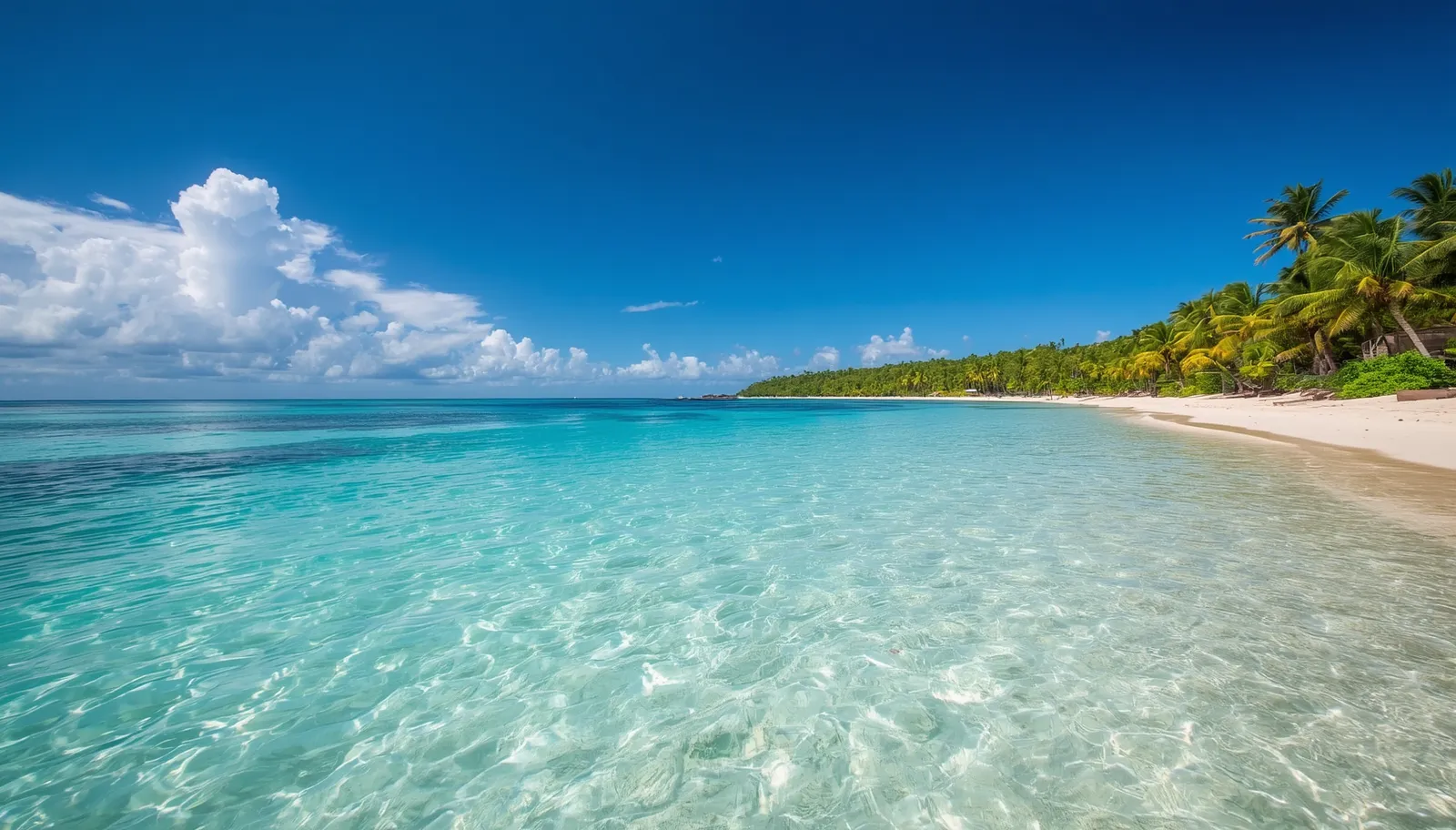

A little preparation goes a long way in Mauritius. These practical travel tips cover timing, transport, money, culture, and activities so your trip runs smoothly from start to finish.
Plan Around the Season, Not Just the Price
Timing matters more in Mauritius than most visitors expect. The island sits in the cyclone belt, and the summer months (November to April) bring higher humidity, heavy rain, and occasional tropical storms. Travel insurance that covers weather disruptions is worth considering if visiting during this period.
The sweet spot for most travelers is May through October. Temperatures are cooler, rainfall is lower, and the southeast trade winds make conditions particularly good for water sports on the west and north coasts. July and August are the busiest months, so accommodation prices rise and popular spots fill up quickly.
If visiting during a public holiday or local festival period, such as Diwali, Chinese New Year, or Cavadee, expect roads and markets to be busier than usual. These are also some of the most rewarding times to experience Mauritius culture firsthand.
Getting Around Is Easier With a Plan
There is no train network in Mauritius, which means most visitors rely on taxis, rental cars, or buses to get around. Each option has trade-offs worth knowing before you arrive.
The public bus system is inexpensive and connects most towns and villages, but journey times can be long and schedules inconsistent. For shorter trips within a town, buses are perfectly practical. For covering ground across the island, a rental car gives considerably more freedom. Roads are generally in good condition, driving is on the left, and signage is in both English and French.
Transport Tips Worth Knowing
- Always agree on a taxi fare before the journey, as most drivers do not use meters
- App-based rideshare services are available in Port Louis and major tourist areas
- Fuel stations may be closed on Sundays in rural parts of the island, so plan accordingly
- The drive from the airport to the north coast takes roughly 60 to 75 minutes depending on traffic
- Hiring a local driver for a full day is often more cost-effective than multiple individual taxi trips
Money, Tipping, and Everyday Costs
The Mauritian Rupee (MUR) is the local currency. Most hotels, larger restaurants, and tourist attractions accept major credit cards, but smaller guesthouses, markets, and street food vendors typically prefer cash. Carrying a mix of both is the most practical approach.
ATMs are widely available in towns and at the airport, though rates can vary. Withdrawing from a local bank ATM rather than a hotel or tourist zone machine usually gives a better rate. Tipping is not mandatory but is appreciated in restaurants and for taxi drivers who provide good service.
Budget travelers can get by comfortably on a modest daily spend, while luxury resorts and private beach clubs represent the higher end of the market. Where you choose to stay in Mauritius has a significant impact on overall trip cost, so it is worth researching different coastal areas before committing.
Respect the Culture and You Will Be Welcomed Warmly
Mauritius is one of the most ethnically and religiously diverse islands in the Indian Ocean. Hindu temples, mosques, churches, and pagodas often sit within a few kilometers of each other, and the population observes a wide range of religious customs throughout the year.
When visiting any place of worship, covering shoulders and knees is expected. Shoes should be removed before entering temples and mosques. In general, Mauritians are hospitable and patient with visitors, but a degree of cultural awareness goes a long way toward making interactions feel genuine rather than transactional.
Worth the Extra Effort
Some of the best experiences in Mauritius are not the ones advertised on resort brochures. The Black River Gorges National Park offers hiking through dense rainforest. The central plateau towns like Curepipe and Quatre Bornes have local markets and food stalls that reflect everyday Mauritian life far more authentically than the coastal tourist strips.
Renting a car for even one day to explore the interior is one of the most common pieces of advice from repeat visitors to the island, and for good reason.
Frequently Asked Questions
1. Is Mauritius suitable for budget travelers?
Mauritius has options across a wide price range, from affordable guesthouses and street food to five-star resorts. Budget travelers can have a rewarding trip by staying outside the main tourist zones and using public transport.
2. Do visitors need any vaccinations before traveling to Mauritius?
No specific vaccinations are legally required to enter Mauritius, but travel health advisories recommend being up to date on routine vaccinations. Consulting a travel health clinic before departure is advisable.
3. Is it safe to swim at all beaches in Mauritius?
Most beaches within the lagoon are calm and safe for swimming, particularly on the west and north coasts. Some east coast beaches can have stronger currents, especially during winter months, so checking local conditions before entering the water is sensible.
4. What are the best things to do beyond the beach?
The island has hiking trails, cultural sites, waterfall walks, markets, and food experiences that go well beyond typical resort activities. Exploring things to do in Mauritius inland is often what surprises first-time visitors most.
5. Can visitors use their mobile phones in Mauritius?
Most international SIM cards work in Mauritius, though roaming charges can be high. Local SIM cards are inexpensive and widely available at the airport and in town centers, offering better data rates for longer stays.
Key Takeaways
- The dry season (May to October) offers the most predictable weather and is generally the best time to visit.
- Renting a car or hiring a driver for at least part of the trip makes exploring the island significantly easier.
- Carry a mix of cash and card, as smaller vendors and markets often do not accept cards.
- Modest dress is expected at religious sites, and cultural awareness is appreciated across the island.
- The interior of Mauritius, including its national parks and local markets, offers experiences that coastal resorts rarely showcase.
- Budget and luxury travel are both viable in Mauritius depending on where you stay and how you get around.
About Island Route
Island Route Mauritius is a dedicated travel platform and mobile app that provides self-guided audio tours, GPS navigation, and curated itineraries to help visitors explore Mauritius like a local. It allows travelers to discover hidden gems and historical sites at their own pace.




























Sign in to leave a comment.