

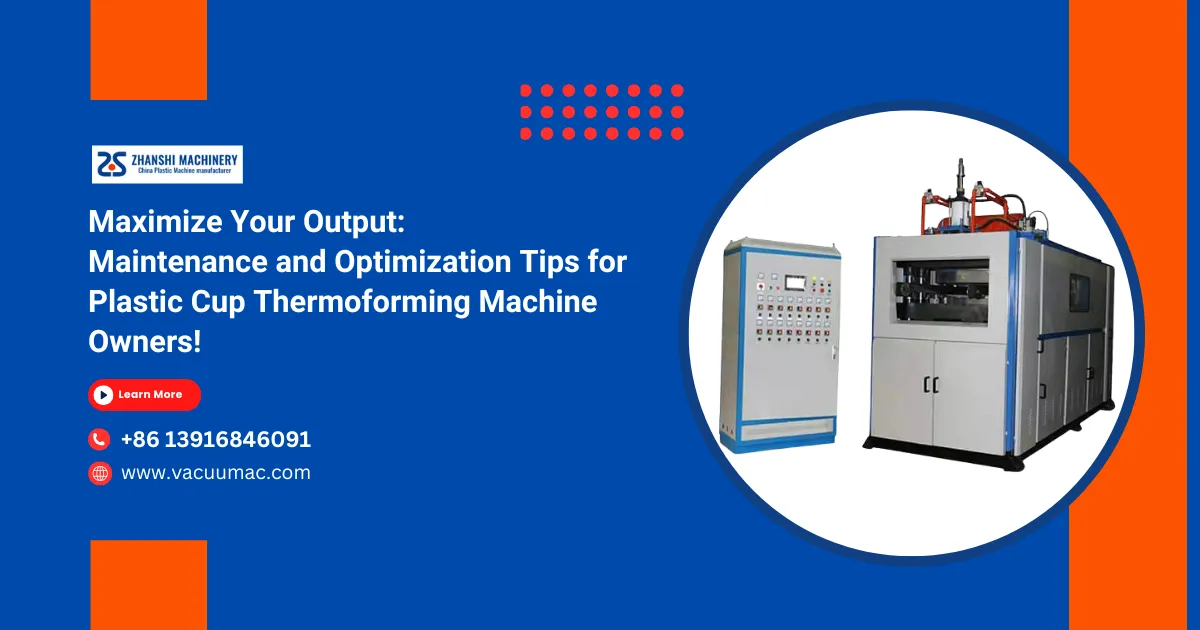
In the rapidly expanding world of disposable packaging, plastic cups hold a vital place in food service, beverage, and retail industries. Whether you’re serving cold drinks at a bustling café or packaging yogurt for retail distribution, customers count on lightweight, durable, and attractively formed plastic cups. At the core of meeting this demand efficiently and profitably is your plastic cup thermoforming machine. This powerhouse transforms plastic sheets into thousands, even millions, of uniform, high-quality cups.
However, maintaining peak productivity and consistent quality with a plastic cup thermoforming machine is not automatic. Even the most advanced models can lose efficiency due to neglected maintenance, suboptimal settings, or minor technical oversights. Small issues, if ignored, can quickly magnify—resulting in machine downtime, excess scrap, rising energy costs, and ultimately lost revenue and dissatisfied customers.
In today’s highly competitive market, manufacturers are under immense pressure to deliver more at lower cost, while upholding the highest standards of hygiene and aesthetics. That’s why successful plant managers and machine operators know that regular maintenance and smart optimization are key not only to reliability, but also to getting the best return from every investment. Moreover, proactive care ensures compliance with regulatory standards, enhances operator safety, and prolongs the service life of your valuable equipment.
Why Maintenance of Your Plastic Cup Thermoforming Machine Matters
The Direct Link Between Maintenance and Output
Productivity is not just a matter of running machines faster. Each component of your plastic cup thermoforming machine—from its heaters and molds to clamping frames, vacuum system, and cutting tools—must function in perfect harmony for every production cycle. When maintenance is neglected, issues such as inconsistent cup thickness, poor definition, deformation, and even cup sticking or incomplete ejection can arise.
Preventive care helps:
- Ensure Consistent Quality: Cups with defects can lead to product recalls, increased waste, or dissatisfied customers.
- Reduce Downtime: Scheduled maintenance limits surprising machine stops that can halt a full production line.
- Extend Equipment Life: Well-maintained machines last years longer, reducing capital investment costs.
- Lower Operating Costs: Efficient machines consume less energy and generate less scrap.
- Improve Safety: Regular checks reveal potential hazards, keeping operators safe while meeting compliance standards.
Understanding Your Plastic Cup Thermoforming Machine
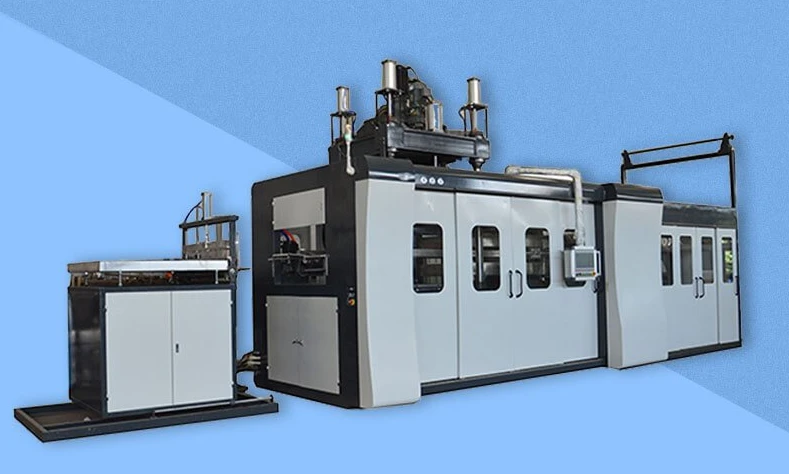
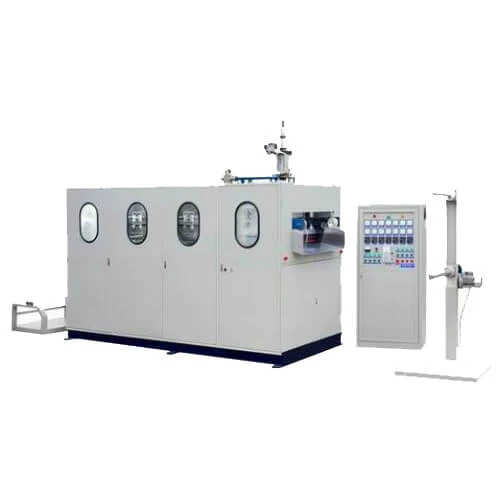
Let’s briefly review what a typical plastic cup thermoforming machine consists of:
- Sheet Feeding System: Feeds rolls or sheets of raw plastic into the heating section in a precise manner.
- Heating Section: Uses electric heaters (infrared or resistance) to raise the plastic to forming temperature (~120-180°C based on material).
- Forming Station: Presses the heated plastic into a mold using vacuum, pressure, or a mechanical press, shaping the cup.
- Cutting/Trimming Station: Separates individual cups from the formed plastic sheet.
- Stacking/Counting System: Automatically stacks finished cups, ready for packaging.
- Control Panel: Enables precision adjustment and monitoring of all machine parameters.
- Ancillary Systems: May include cooling units, pneumatic controls, lubricators, safety systems, and, on modern machines, data collection sensors.
Attention to every subsystem is crucial for long-term productivity.
Daily Maintenance Checklist
Start strong each shift by focusing on these essentials:
1. Visual Inspection
- Look for leaks (air, hydraulic, cooling water, or oil).
- Check for loose bolts, worn belts, frayed wires, or missing safety covers.
2. Cleaning
- Remove dust, debris, or leftover plastic from heaters, molds, cutters, and guide rails.
- Clear away plastic particles that might obstruct moving parts.
3. Lubrication
- Follow the manufacturer’s instructions for oiling points: chain drives, bearings, guide rails, and pistons.
- Use only recommended lubricants to avoid contamination.
4. Check Heating Elements
- Confirm that all heating zones reach setpoint temperature rapidly and maintain within 2–3°C of the target.
5. Safety Devices
- Test the emergency stop function, safety interlocks, and any light curtains or guards.
6. Sheet Feed Consistency
- Watch that the feed system is running smoothly, with no jams, misalignments, or slippage.
Pro Tip: Log daily checks in a maintenance book or digital record for accountability and future reference.
Also Read: How a Thermoforming Plastic Cup Making Machine Can Transform Your Food Packaging Business!
Weekly and Monthly Maintenance Tasks
Weekly:
- Calibration Checks: Use a temperature gun to check the accuracy of displayed temperatures.
- Vacuum and Pneumatic System Inspection: Listen for air leaks, check pressure gauges, and inspect hoses and valves.
- Cleaning Hard-to-Reach Areas: Thoroughly clean heating elements, fans, and air intakes.
- Inspect Molds: Check for damage, deposits, or buildup that can affect cup dimensions.
- Trim and Ejector System: Inspect blades and mechanisms for sharpness and alignment.
Monthly:
- Electrical Component Check: Tighten terminal connections, look for corrosion or looseness in the control cabinet.
- Detailed Lubrication: Relubricate all specified points, including high-load actuators and gearboxes.
- Cooling System Flush: Clear cooling channels to ensure efficient heat transfer and prevent overheating.
- Advanced Sensor Testing: Verify the accuracy of position, temperature, and pressure sensors.
- Vacuum Pump Maintenance: Replace filters or oil as recommended; check for noise or excessive heat.
Quarterly and Annual Maintenance
Quarterly:
- Deep clean the machine, dismantling covers and panels as necessary.
- Perform a full mold audit; recondition or replace as needed.
- Inspect and recalibrate PLCs and control systems with specialist support.
Annually:
- Schedule a full preventive maintenance shutdown.
- Replace all consumable parts—seals, gaskets, belts, and heating elements if they show signs of wear.
- Conduct detailed inspection and preventive maintenance of all safety systems.
Optimization Tips to Maximize Productivity
Maintenance is essential, but so is operational optimization. Here’s how you can extract maximum efficiency from your plastic cup thermoforming machine:
1. Optimize Forming and Heating Parameters
- Adjust heating profiles for each raw material type and cup design.
- Maintain temperature uniformity to avoid warping or thin-wall spots.
- Minimize forming cycle time without compromising quality.
2. Tune Mold Release and Ejector Settings
- Use proper mold coatings or release agents for easy ejection.
- Adjust ejector speeds to avoid damage or sticking.
3. Minimize Material Waste
- Accurately position sheets before forming.
- Regularly calibrate trim/cutting blades to reduce offcuts and edge losses.
- Recycle trimmings wherever possible.
4. Monitor Air and Vacuum System Health
- Ensure vacuum levels are stable during forming.
- Check for obstruction or loss of pressure in pneumatic actuators.
5. Regularly Train and Refresher Operators
- Well-trained operators spot problems early and can make on-the-fly adjustments to keep lines running.
- A culture of continuous improvement leads to better team performance.
6. Implement Data Monitoring and Analytics (If Available)
- Use machine data logs to track cycle times, downtime events, temperatures, and output.
- Analyze trends to predict maintenance needs and optimize production planning.
7. Stock Critical Spare Parts
- Keep essential spares (heating elements, vacuums, sensors, blades) on-site to minimize downtime.
8. Plan for Predictive Maintenance
- If possible, add sensors for vibration, temperature, or current draw on main systems for proactive intervention.
- Use software to schedule and record all maintenance activity.
Troubleshooting: Common Issues and Solutions
- Inconsistent Cup Thickness: Check for uneven heating, faulty heaters, or sheet feed misalignment.
- Cup Sticking in Mold: Inspect mold for excess wear, poor cooling, or the need for fresh release agent.
- Excessive Scrap: Calibrate cutting tools, check feed alignment, and confirm sheet size and placement.
- Deformed or Warped Cups: Adjust cycle times, cooling parameters, and check for consistent air/vacuum pressure.
- Unexpected Machine Stops: Inspect all safety interlocks and sensors for dirt or misalignment, and clear PLC error logs.
The Shanghai Zhanshi Mechanical Equipment Co., Ltd. Advantage
Shanghai Zhanshi Mechanical Equipment Co., Ltd. delivers more than just machinery. Each plastic cup thermoforming machine comes with:
- Comprehensive operator and maintenance training
- Clear, multilingual manuals and diagrams
- Lifetime remote technical support
- Fast delivery of OEM spare parts
- Periodic outreach for firmware and technology updates
- Expert advice on optimization, material choice, and workflow integration
Partnering with Shanghai Zhanshi ensures your machines run reliably—day after day, year after year.
Achieving excellence in plastic cup production is a blend of smart equipment choice, meticulous maintenance, and thoughtful operational optimization. By implementing the daily, weekly, and long-term strategies outlined in this guide—and by leveraging the full support and expertise of Shanghai Zhanshi Mechanical Equipment Co., Ltd.—you’ll ensure your plastic cup thermoforming machine operates at peak performance.
Frequently Asked Questions (FAQ):
Q1: How often should I clean the molds in my plastic cup thermoforming machine?
A: Ideally, perform minor cleaning at the end of each shift to remove plastic residue. Schedule detailed weekly cleaning for deeper deposit removal, especially if changing materials or colors.
Q2: How do I know if my heating system is running efficiently?
A: Monitor consistency between actual and setpoint temperatures, inspect for unevenly heated sections, and check cycle times. Unusual color, uneven thickness, or heating delays often indicate issues.
Q3: Should I switch off my machine when not in use, or leave it running between shifts?
A: Extended idle running wastes energy and can prematurely wear heating elements. Shut down the machine fully during breaks over 1–2 hours; follow proper cool-down and start-up procedures.
Q4: How do I ensure safe operation for workers?
A: Maintain all guards in place, test emergency stops daily, train all operators on lockout/tagout, and enforce use of PPE (gloves, goggles) when handling heated components or sharp trims.
Q5: How can I reduce scrap rates on my line?
A: Frequent calibration, well-maintained cutting systems, properly aligned feeds, and close monitoring of forming parameters are key. An experienced technical partner can help diagnose chronic waste problems.
Q6: What is the typical lifespan of a plastic cup thermoforming machine?
A: With preventive maintenance, Shanghai Zhanshi machines frequently run reliably for 10–15 years or more. Critical components may be replaced as needed over time.
Q7: Can I use different plastics with my machine (e.g., PS, PP, PET)?
A: Yes, provided the machine supports a wide temperature range and adjustable forming parameters. Consult your manual or Shanghai Zhanshi for recommended settings per material.
Q8: Are software and firmware updates available?
A: Absolutely. Shanghai Zhanshi provides regular updates for PLCs and smart control systems, adding new features and improving reliability.
Q9: What are signs I need professional technical service?
A: Repeated product defects, unexplained downtime, loss of temperature/vacuum control, or sensor failures—contact Shanghai Zhanshi Mechanical Equipment Co., Ltd. for diagnosis and repair.
Q10: How do I keep track of all maintenance activities?
A: Implement a digital maintenance management system or detailed logbook. Schedule reminders and record every inspection, part change, and cleaning effort for accountability and warranty purposes.


























Sign in to leave a comment.