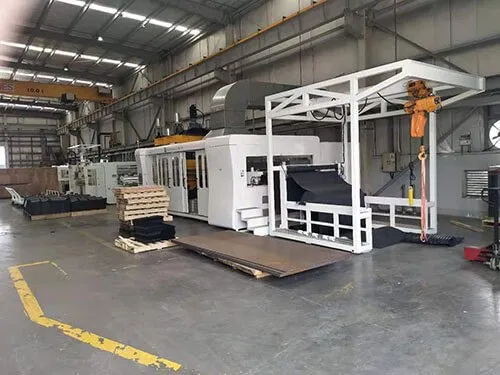

In an increasingly fast-paced and cost-competitive world, manufacturers must leverage advanced equipment to stay ahead. Nowhere is this more evident than in the packaging sector, where rising material costs, intense market pressure, and a growing emphasis on sustainability demand smarter production methods. The arrival of the thin gauge thermoforming machine marks a significant leap forward for companies seeking high output and quality, minimal waste, and exceptional adaptability.
At Shanghai Zhanshi Mechanical Equipment Co., Ltd., we have seen firsthand—across food packaging, medical disposables, and myriad consumer applications—how modern thin gauge thermoforming machines are revolutionizing the industry. Today, let’s take a deep dive into these remarkable systems: what sets them apart, how they drive efficiency, and how you can use them to boost productivity, cut costs, and support your sustainability credentials.
1. Understanding Thin Gauge Thermoforming Technology
First, a definition: Thin gauge thermoforming refers to the forming of plastic sheets with thicknesses typically under 1.5mm (0.060 inches). The process transforms these sheets into packaging containers, lids, trays, clamshells, and other shallow items, most notably for the foodservice, produce, electronics, and medical industries.
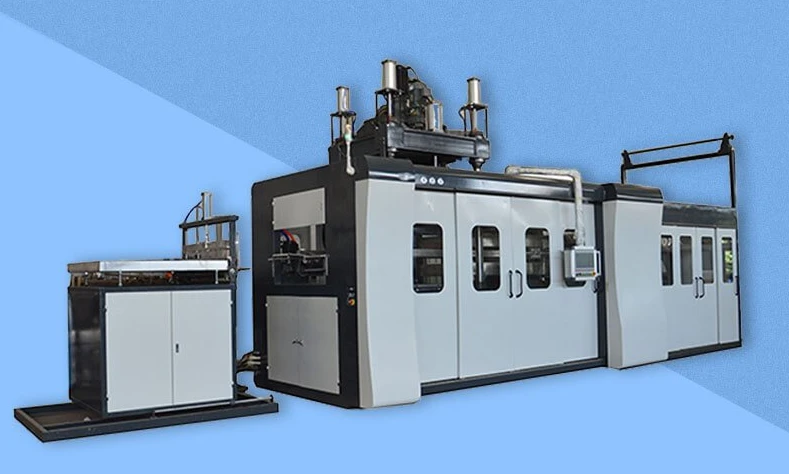
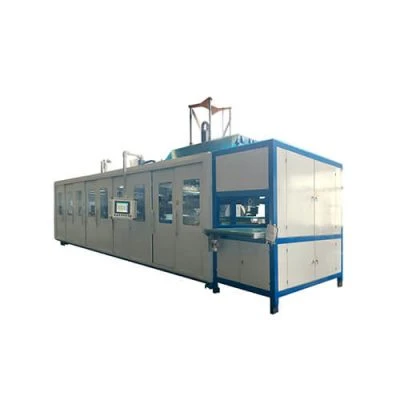
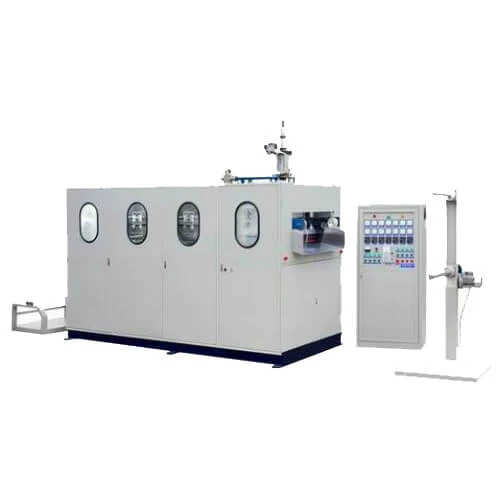
A thin gauge thermoforming machine is engineered for speed, precision, and efficient use of material. Modern systems handle processes from sheet feeding, heating, forming, cutting, stacking, and even downstream part handling—with high levels of automation and repeatability. Unlike heavy gauge (which is used for large, durable articles such as auto panels or pallets), thin gauge is all about volume, hygiene, and clarity.
2. Business Value: Why the Thin Gauge Thermoforming Machine Is a Modern Essential
As market expectations rise and production economics tighten, thin gauge thermoforming machines prove invaluable for several reasons:
A. Lower Material Costs
With the ability to form ultra-thin, yet structurally sound packaging, these machines actively reduce raw material usage. For manufacturers dealing with high volumes, even a minor reduction in sheet thickness can save tens or hundreds of thousands annually—directly improving the bottom line.
B. High-Speed, High-Volume Production
Thin gauge thermoforming machines are capable of very short cycle times, often as low as 2–3 seconds per cycle. This allows for the production of thousands—or even up to a million or more—containers and trays every day. Automated feeding and stacking reduce labor while boosting output consistency.
C. Versatility of Product Design
Modern systems support rapid tooling changes and multiple cavity configurations, making it easy to switch between product sizes, shapes, and even materials. This is key for manufacturers serving both branded products and private labels, or those with seasonal and promotional varieties.
D. Sustainability and Circular Economy Alignment
Many thin gauge machines are optimized for post-consumer recycled (PCR) plastics, biodegradable polymers (like PLA), and even facilitate closed-loop operations for in-plant scrap reuse. By minimizing waste and supporting new materials, they help businesses both comply with and market their sustainability efforts.
E. Consistent Quality and Lower Reject Rates
State-of-the-art heaters, pressure controls, and digital monitoring keep each part within tight tolerances. That means fewer customer complaints, easier certification (especially for food and medical markets), and less time spent on rework or manual inspections.
3. Core Components and Process of a Thin Gauge Thermoforming Machine
To maximize efficiency, it helps to understand the workflow and key modules of a typical machine:
- Sheet Feeding System: Rolls or stacks of thin plastic sheets automatically feed into the machine and are advanced to the heating zone.
- Heating Section: Consists of sophisticated radiant, contact, or hybrid heaters for uniform plastic softening.
- Forming Station: Uses vacuum, air pressure, and/or plug assist to mold the heated sheet onto/into precision cavities.
- Trimming and Cutting: Advanced die-cutting systems trim the formed pieces from the web while still in the machine, ensuring uniform joints and stackability.
- Stacking and Counting: Automated stackers collect finished items for easy packing.
- Web/Trim Rewinding: Unused border material is rewound for granulation and reuse, supporting zero-waste goals.
Shanghai Zhanshi Mechanical Equipment Co., Ltd. offers custom configurations, including integrated printing or labeling modules, leak detection, or robotic stacking for complex production environments.
4. Advances in Thin Gauge Thermoforming Machine Technology
The last five years have seen a leap in what’s technically possible, thanks to innovations driven by forward-thinking suppliers. Here are some leading advancements:
A. Smart Heating Technology
Modern thin gauge thermoforming machines employ segmented, computer-controlled heaters to ensure the uniform temperature profile across the sheet and adjust instantly for material, color, and speed changes. Energy consumption is cut dramatically, while forming quality is enhanced.
B. High-Speed Drives and Servo Control
Servo-driven motions throughout the machine (from sheet advance to mold closing, trimming, and stacking) deliver precision at greater speeds while reducing mechanical wear and maintenance demands. Newer servo-pressure forming allows ultra-fine detail and complex product geometry.
C. In-Line Vision Inspection
Vision systems mounted in-line now provide 100% real-time quality control—detecting forming flaws, improper trim, or marking inconsistencies instantly. This greatly lowers waste and assures compliance, especially where regulations are strict (e.g., pharmaceutical trays).
D. Rapid Tooling and Recipe Changes
Digital storage for process “recipes” and quick-mount tooling mean line changes can be made in minutes, rather than hours. Software interface upgrades allow for remote updates and process optimization, reducing downtime and labor costs.
E. Material Usage Optimization
Modern thin gauge thermoforming machines use sophisticated nesting software, which maps the optimal layout of every part and trim to yield the highest number of products from each sheet, reducing offcut and scrap.
F. Environmentally Adaptive Design
Many machines feature enclosed heating zones, noise-reduced frames, and modular, easy-clean construction—making them at home in food-safe and controlled-environment (cleanroom) production spaces.
5. Thin Gauge Thermoforming in Action: Application Areas
Where are these machines making the biggest difference?
Food Packaging
-Dairy tubs, portion cups, sandwich trays, bakery containers, deli clamshells
-Clear produce packaging and “grab & go” snack packs
-Lidding, blister packs, and shelf-ready containers
Medical & Pharmaceutical
-Sterile trays, instrument holders, and single-use medical packaging
-Test tube and ampoule racks, diagnostic cassettes
-Tamper-evident unit dose packs
Consumer Electronics & Industrial
-Component trays for parts handling
-Clamshells for batteries, memory cards, or small electronics
-Display packaging with detailed branding
Horticulture & Foodservice
-Seedling and propagation trays
-Disposable and reusable catering trays, segment platters, bakery displays
The efficiency, flexibility, and regulatory compliance offered by thin gauge thermoforming machines make them a core asset—whether you’re a multinational or a regional specialist.
6. Maximizing Your Efficiency: Best Practices for Thin Gauge Thermoforming
Purchasing advanced equipment is only part of the efficiency equation. To truly maximise what thin gauge thermoforming machine offers, consider these points:
A. Precision Maintenance and Monitoring
-Schedule predictive maintenance using data from IoT-enabled sensors.
-Regularly calibrate heaters, sensors, and servo drives.
-Keep dies and forming molds spotlessly clean for best results.
B. Staff Training
-Update operator training regularly, especially on digital controls, troubleshooting, and safety.
-Lean on manufacturer-supplied training modules and certification programs.
C. Integrated Production Planning
-Synchronize thin gauge thermoforming machines with upstream (printing, extrusion) and downstream (inspection, wrapping, palletizing) processes for a seamless flow.
-Use real-time data dashboards to continually optimize scheduling and asset use.
D. Sustainable Materials Focus
-Work with material suppliers and your machine manufacturer to trial and optimize new sustainable resins or recycled blends.
-Configure machines for edge trim and scrap refeeding.
E. Continuous Improvement and Upgrades
-Partner with suppliers like Shanghai Zhanshi who offer regular firmware/software updates and modular hardware add-ons.
-Periodically review your line configuration for bottlenecks, emerging market demands, and efficiency gains.
7. The Shanghai Zhanshi Edge: Reliability, Customization, and Support
Why Choose Shanghai Zhanshi Mechanical Equipment Co., Ltd.?
- Global R&D Leadership: Our thin gauge thermoforming machines incorporate user feedback, industry trends, and next-gen technology to deliver future-ready assets—today.
- Tailored Solutions: We customize machine footprint, forming area, and automation modules to fit your unique needs, not one-size-fits-all.
- End-to-End Service: From consulting and design through commissioning, training, and ongoing support, we ensure a low-risk, high-reward upgrade.
- Sustainability Pioneering: With models engineered for new biopolymers, recycled streams, and minimal energy use, we support your push toward a circular economy.
Our commitment is not simply to supply a machine—but to be your long-term innovation and efficiency partner.
8. Step-by-Step: Implementing the Latest Thin Gauge Thermoforming Machine
Here’s what you can expect with a turn-key process from Shanghai Zhanshi:
1. Needs Assessment: Analyze current and projected SKUs, changeover frequency, regulatory standards, and space/facility constraints.
2. Solution Proposal: Recommend size and throughput, modular options (vision, stacking, robotics), and integration needs.
3. Engineering & FAT: Custom-build, FAT (Factory Acceptance Testing), and client signoff.
4. Installation & Training: Full site setup, expert trainer-led operator and maintenance workshops.
5. Ramp-Up Support: Initial production over-watch, process tuning, and real-time troubleshooting.
6. Ongoing Optimization: Remote monitoring, scheduled maintenance, and advice on new materials or upgrades.
9. Future Trends: What’s Next in Thin Gauge Thermoforming Machines?
- HMI Enhancements: Voice-controlled and AR-assisted operator interfaces reduce learning curves.
- Smart Predictive Analytics: AI-powered production scheduling and real-time reject analysis optimize both uptime and yield.
- Bio-Composites and Multi-Layer Forming: Engineering advances will allow machines to produce more complex, barrier-enhanced packaging for food and pharma.
- Full-Factory Automation: Integration with AGVs (automated guided vehicles), packaging robots, and enterprise planning software.
Shanghai Zhanshi continually updates its technology roadmap to offer clients early access to these emerging capabilities.
Unleashing New Potential with Thin Gauge Thermoforming Machine Technology
In the world’s most dynamic packaging markets, speed, quality, and sustainability are no longer optional—they’re essential. By embracing the latest in thin gauge thermoforming machine technology, you’re not only maximizing efficiency but propelling your business into the future. Be it lower material costs, faster changeovers, better product consistency, or eco-responsibility, the advantages are clear and compounding.
Frequently Asked Questions (FAQ)
Q1: What is the “thin gauge” in thermoforming?
Thin gauge refers to plastic sheets of typically less than 1.5mm thickness, used for forming lightweight, flexible items such as trays, containers, and clamshells. Thin gauge thermoforming focuses on speed, volume, and efficiency for such products.
Q2: Can thin gauge thermoforming machines handle recycled or biodegradable materials?
Yes! Advanced machines from Shanghai Zhanshi are designed to process a range of sustainable plastics, including rPET, PLA, and other specialty resins. Material and heating settings can be fine-tuned for optimal performance and minimal defects.
Q3: How fast can a thin gauge thermoforming machine produce?
High-speed systems are capable of cycle times under 3 seconds, enabling outputs that can exceed 100,000 pieces per day, depending on machine size and part complexity.
Q4: Are thin gauge thermoforming machines easy to integrate with existing lines?
Absolutely. Modern designs feature modular layouts, easy electrical/mechanical interfaces, open communication protocols, and can be customized to work smoothly with your current printing, inspection, or packing equipment.
Q5: What maintenance is required for optimal efficiency?
Routine daily cleaning of dies/molds, regular sensor and heater calibration, periodic servo drive checks, and use of manufacturer-recommended lubricants and parts will keep your thin gauge thermoforming machine running at peak efficiency.
Q6: How can I improve changeover times between different packaging products?
Invest in tooling designed for quick swaps and use machines (like those from Shanghai Zhanshi) that store multiple “recipes” for different products, allowing fast parameter changes via touchscreen interfaces.
Q7: What service support does Shanghai Zhanshi offer?
We provide comprehensive after-sales service: remote diagnostics, operator training, preventive maintenance programs, fast global spare parts, and regular software updates to ensure your operation is always running at high efficiency.






















Sign in to leave a comment.