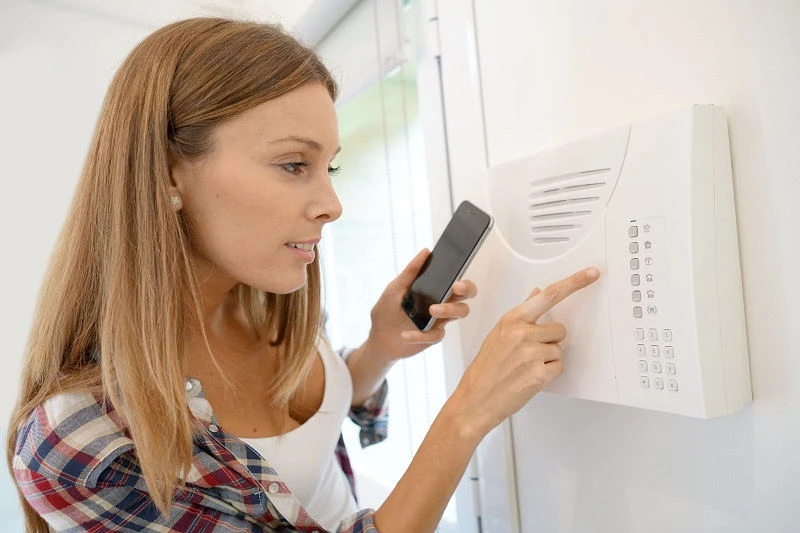

Are you looking for ways to improve your home’s alarm system but feeling unsure where to begin? Do you ever wonder if your security measures truly have you covered around the clock? These concerns are common, and you’re definitely not alone in wanting to make sure your home and loved ones stay safe.
In this blog post, we’ll explore the most essential tips for getting the best performance out of your alarm system. You’ll learn why a reliable setup matters, how to select the perfect system for your needs, and whether you should tackle installation yourself or seek professional support.
By the time you reach the end, you’ll feel confident about how to maintain and upgrade your alarm system for ultimate peace of mind.
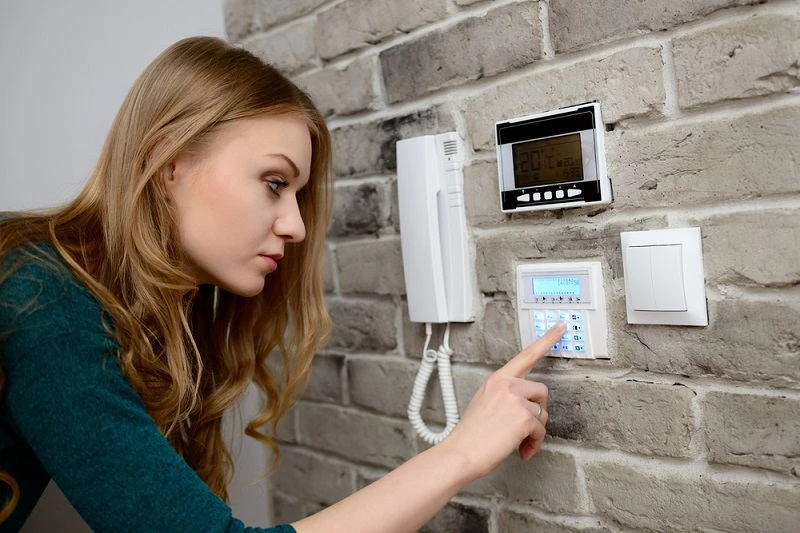
Understanding the Importance of Alarm System Security
Alarm systems aren’t just about protecting possessions; they’re also about safeguarding the people and memories that make your house feel like home. Across Australia, break-ins are an unfortunate reality, and an effective security setup can make all the difference when it comes to deterring would-be intruders.
Why Do I Need a Reliable Alarm System?
A reliable alarm system stands guard over your property, giving you peace of mind whether you’re at home, at work, or on holiday. When you invest in a dependable, fine-tuned setup, you reduce your risk of burglary and can potentially lessen property damage if a break-in attempt occurs.
What Happens When Security Measures Fail?
Security failures often result from neglected maintenance, outdated equipment, or incorrect installation. If your system fails, it could leave you vulnerable when you need protection the most. By being proactive now, you’ll cut the chances of system breakdowns and help ensure your alarm stands strong when it counts most.
Choosing the Right Alarm System
Not all alarm systems are created equal. Some rely on hardwired connections, while others use wireless technology. Both have their advantages, so it’s crucial to assess which route suits your budget, property layout, and comfort level.
Wireless vs. Hardwired: Which Option Suits You Best?
- Wireless alarms are popular for their convenient, cable-free design. They’re easy to install but need regular battery checks.
- Hardwired systems excel in reliability and integrate seamlessly with other devices, making them ideal for newly built or renovated properties.
What Features Should I Look for in an Alarm System?
- Sensors for windows, doors, and motion detection.
- Real-time alerts via smartphone.
- Compatibility with monitored services for professional oversight.
Installation Best Practices
Ensuring everything is set up properly is critical for avoiding common mistakes that compromise performance.
Should I Hire a Professional or Try DIY?
- DIY installation works for simple wireless systems with clear instructions.
- Professional installation is recommended for complex setups or unusual property layouts.
Common Mistakes to Avoid During Setup
- Placing sensors near heat sources or vents.
- Overlooking network security for wireless systems.
- Skipping post-installation testing.
Maintenance and Regular Upkeep
A few minutes spent on routine checks can save you from headaches later.
How Often Should I Test My Alarm System?
Test your system monthly or fortnightly. Confirm sirens, lights, and notifications function correctly.
Simple Steps for Managing Batteries and Power Backup
- Keep spare batteries for wireless systems.
- Mark installation dates on batteries.
- Check mains backup charging after outages.
Smart Tech and Connectivity
Modern alarm systems integrate seamlessly with smart technology for enhanced monitoring.
Can Remote Monitoring Really Make a Difference?
Yes. Remote monitoring provides real-time alerts, allowing quick responses like activating lights or contacting security providers.
Integrating Cameras and Sensors for Better Coverage
- Sensors trigger cameras to record motion or door openings.
- Cameras capture footage for evidence and deterrence.
Voice Assistants and Home Automation: Worth the Investment?
- Use voice commands to arm/disarm systems.
- Sync alarms with smart lighting or climate controls.
Addressing Typical Pain Points
How Do I Prevent False Alarms?
- Set clear routines for arming/disarming.
- Position motion sensors away from vents or curtains.
- Update outdated software.
What If My Alarm Loses Power or Internet Connection?
- Use backup batteries for power outages.
- Opt for systems with mobile data backups.
Frequently Asked Questions
Can a Good Alarm System Lower My Insurance Premiums?
Many insurers offer discounts for monitored systems. Check with your provider for specific requirements.
How Do I Ensure My Alarm Is Pet-Friendly?
- Use pet-friendly motion sensors.
- Install sensors higher on walls.
- Keep pets away from high-traffic sensor zones.
What Are the Best Habits for Keeping Aussie Homes Secure?
- Lock doors and windows daily.
- Trim hedges to eliminate hiding spots.
- Install outdoor sensor lights.
Conclusion
Securing your home starts with choosing the right alarm system, installing it correctly, and maintaining it consistently. Prioritise features like pet-friendly sensors, remote monitoring, and backup power to address common challenges. By staying proactive and integrating smart technology, you’ll create a robust defence against intrusions. Whether you opt for DIY or professional installation, regular testing and updates ensure your system remains reliable. With these strategies, you’ll protect your family, property, and peace of mind for years to come.























Sign in to leave a comment.