In contemporary architecture and interior design, clean lines, minimal maintenance, and long-term durability are no longer optional—they are expected. From commercial buildings to upscale residential interiors, flooring plays a defining role in how a space looks, feels, and performs over time. Among the many surface solutions available today, polished concrete has emerged as a preferred choice for those seeking a refined yet practical finish that aligns with modern design sensibilities.
Understanding the Concept of Polished Concrete Flooring
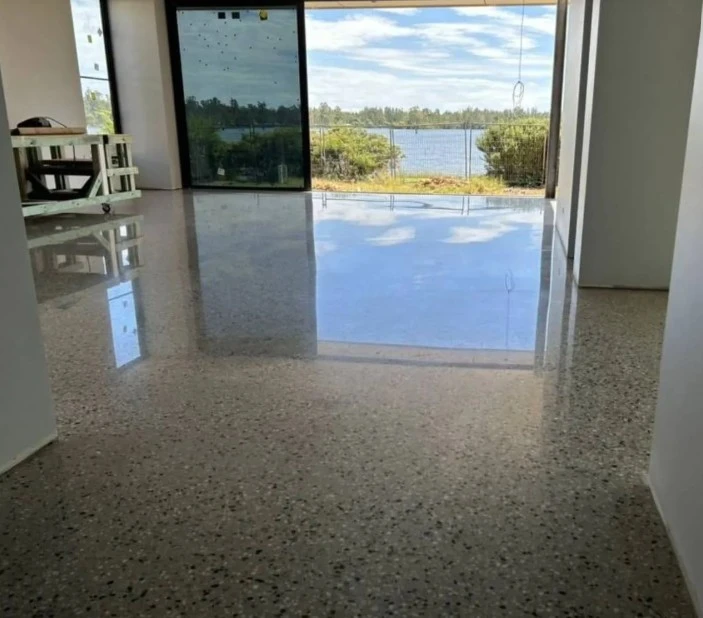
Polished concrete is not a surface coating or an added layer; it is a transformation of the existing concrete slab. Through a systematic process of grinding, refining, and polishing, the raw concrete is converted into a smooth, reflective, and highly durable floor. This approach enhances the natural characteristics of concrete while improving its strength, longevity, and aesthetic appeal.
Unlike traditional flooring materials that may require frequent replacement or intensive care, polished concrete is designed to perform consistently over decades. Its seamless appearance makes it particularly suitable for open-plan designs, industrial-style interiors, and spaces where visual continuity is important.
What Makes Mechanical Polishing Unique
Mechanical Polished Concrete refers to a method that relies entirely on physical grinding and polishing techniques rather than topical coatings. Using industrial-grade diamond abrasives, the concrete surface is progressively refined to achieve varying levels of sheen, from satin-matte to high-gloss finishes.
This mechanical process densifies the concrete, closing pores and increasing surface hardness. As a result, the floor becomes more resistant to abrasion, moisture penetration, and everyday wear. The absence of surface coatings also means there is no risk of peeling or delamination over time, making this method particularly reliable for high-traffic environments.
Aesthetic Flexibility for Modern Design
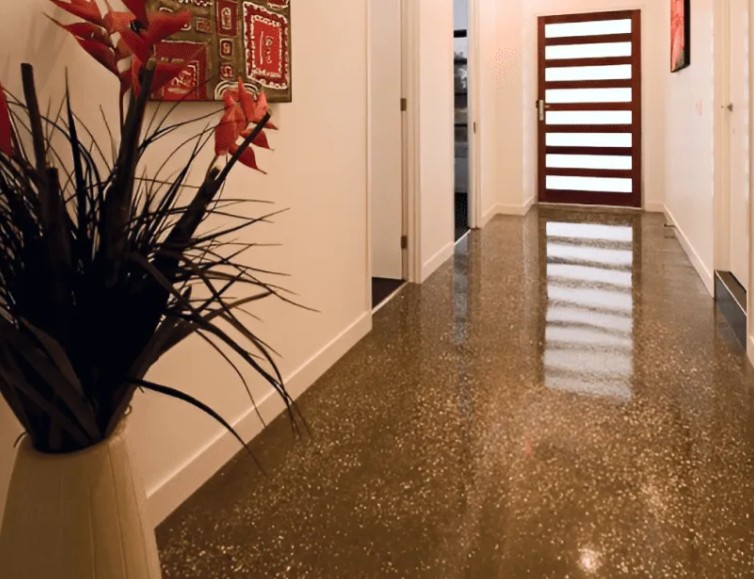
One of the most compelling aspects of polished concrete is its adaptability to different design visions. The final appearance can be customized through aggregate exposure, sheen level, and subtle color treatments. Whether the goal is a minimalist corporate office, a contemporary retail space, or a modern residential interior, polished concrete can be tailored to complement the overall design language.
The reflective quality of polished concrete also enhances natural and artificial lighting, contributing to brighter interiors and a sense of openness. This visual benefit is especially valuable in commercial spaces where lighting efficiency and ambiance play a crucial role.
Performance Benefits Beyond Appearance
Beyond aesthetics, polished concrete offers a range of practical advantages. Its dense surface resists dusting, making it an excellent choice for environments that prioritize cleanliness and indoor air quality. Unlike carpets or textured flooring, polished concrete does not trap allergens, making it suitable for health-conscious spaces.
Additionally, the thermal mass of concrete helps regulate indoor temperatures, contributing to energy efficiency. In warmer climates, polished concrete remains cool underfoot, while in colder regions, it works effectively with radiant heating systems.
Sustainability and Long-Term Value
Sustainability is a growing concern in construction and renovation projects, and polished concrete aligns well with eco-conscious objectives. Since the process utilizes the existing concrete slab, it reduces the need for additional materials and minimizes waste. The long lifespan of polished concrete floors also translates into fewer replacements, lowering the environmental impact over time.
From a cost perspective, the initial investment is often offset by reduced maintenance expenses. With no need for waxing, stripping, or frequent repairs, polished concrete delivers long-term value that appeals to both property owners and facility managers.
The Role of Skilled Professionals
Achieving consistent results with polished concrete requires technical expertise and precision. Experienced concrete flooring contractors understand how to assess the condition of the slab, select the appropriate grinding sequence, and determine the optimal finish for each project. Their knowledge ensures that the floor not only looks impressive but also performs as intended under real-world conditions.
Professional execution is especially important in large-scale commercial projects, where uniformity, safety, and compliance with industry standards are critical. Proper surface preparation and finishing techniques directly influence the durability and appearance of the final result.
Maintenance and Everyday Care
One of the standout advantages of polished concrete is its low-maintenance nature. Routine cleaning typically involves dust mopping and occasional damp mopping with neutral cleaners. There is no need for specialized chemicals or intensive upkeep procedures.
Over time, the polished surface tends to improve in appearance as it continues to harden and gain subtle sheen through regular use. This characteristic makes it particularly appealing for busy spaces where maintenance efficiency is a priority.
Conclusion
Polished concrete flooring represents a balance between modern aesthetics, structural performance, and long-term practicality. Its ability to adapt to diverse design requirements while delivering durability and sustainability makes it a compelling choice for contemporary spaces. As architectural trends continue to favor simplicity, resilience, and efficiency, polished concrete stands out as a flooring solution that meets both present needs and future expectations.



























Sign in to leave a comment.