

Medical device assembly is the process of joining individual parts, components, electronics, and subassemblies to create a finished medical device that meets defined quality and safety requirements. It is a key stage between manufacturing and final product delivery. Reliable medical device assembly services help manufacturers build products with consistent performance, accurate fit, clean workmanship, and strong process control.
What Is Medical Device Assembly?
Medical device assembly involves putting together components according to approved drawings, work instructions, and manufacturing specifications. Depending on the device, this may include mechanical assembly, electronic integration, bonding, fastening, tubing connections, cable routing, and packaging.
The process must support product safety and repeatable quality. In the United States, the FDA’s Quality Management System Regulation, or QMSR, became effective on February 2, 2026. It incorporates ISO 13485:2016 into the FDA’s medical device quality framework.
How Does Medical Device Assembly Work?
A typical assembly process includes several controlled steps:
- Component inspection: Parts are checked for size, material, cleanliness, and other requirements.
- Subassembly: Smaller parts are joined to create functional units.
- Main assembly: Subassemblies are combined into the finished device.
- In process inspection: Critical dimensions, connections, and functions are checked.
- Medical device testing: The assembled product is tested against defined performance and safety requirements.
- Final inspection and packaging: The device is inspected, documented, labeled, and prepared for shipment.
For devices that require sterilization, the process must also include suitable controls and validation. The FDA notes that sterilization processes require validation and ongoing monitoring.
Why Is Medical Device Assembly Important?
Poor assembly can affect device safety, reliability, and performance. A controlled process helps reduce defects and supports consistent production.
- Component Quality: Helps prevent part related defects.
- Process Control: Supports consistent and repeatable results.
- Clean Assembly: Reduces the risk of contamination.
- Testing: Confirms product performance and functionality.
- Documentation: Supports traceability and regulatory compliance.
The FDA states that manufacturing controls should help ensure devices consistently meet specifications.
Role of Design, Engineering, and Testing
Assembly works best when it starts with a strong product design. Medical device design and engineering defines how components fit, function, and interact. Engineers can also design products for easier assembly, inspection, maintenance, and scale up.
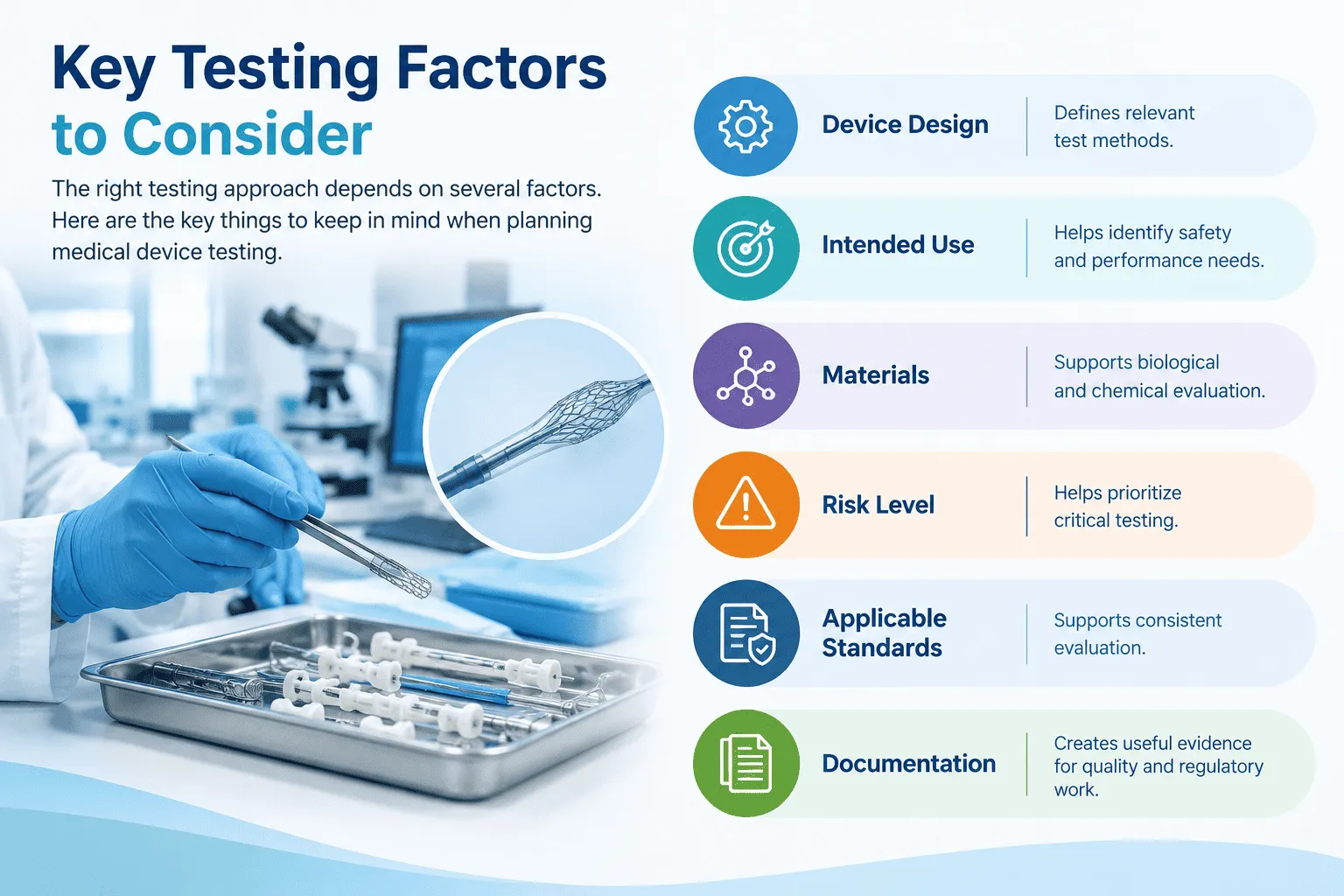
After assembly, medical device testing helps confirm that the product meets its intended requirements. Depending on the device, testing may cover mechanical performance, electrical safety, functionality, packaging, biocompatibility, or sterilization.
Benefits of Outsourcing Assembly
Working with an experienced assembly partner can help medical device companies:
- Scale production more efficiently
- Access trained assembly teams
- Improve process consistency
- Reduce internal manufacturing workload
- Strengthen quality documentation
- Support product development and commercialization
FAQs
What does medical device assembly include?
It can include component preparation, mechanical or electronic assembly, bonding, testing, inspection, and packaging.
Why is assembly important for medical devices?
It helps ensure that the finished device performs consistently and meets defined quality and safety requirements.
What standards apply to medical device assembly?
Requirements vary by product and market. ISO 13485 and applicable regulatory requirements are central to medical device quality management. The FDA’s QMSR now incorporates ISO 13485:2016 by reference.
When should manufacturers use medical device assembly services?
They can be useful when a company needs specialized assembly skills, controlled production, testing support, or additional manufacturing capacity.
Final Thoughts
Medical device assembly is more than putting parts together. It connects product design, engineering, manufacturing, quality control, and testing into one controlled process. Choosing experienced medical device assembly services can help manufacturers build reliable products while supporting regulatory and quality requirements. For companies seeking integrated manufacturing support, Arterex Medical can be a relevant partner to consider.
Source:- https://tinyurl.com/3kh3ht4a


















Sign in to leave a comment.