
Is Laser the Only Way to Treat Melasma?
If you have melasma, you may have heard that laser treatment is the only way to achieve clearer skin. However, that is not true. Several effective treatment options can help manage melasma without laser procedures.
Some patients prefer non-laser treatments because of concerns about cost, downtime, skin sensitivity, or the possibility of pigmentation becoming darker after aggressive procedures. This can be particularly important for people with darker skin tones, who may have a greater risk of post-inflammatory pigmentation.
At Dr. Asma M.D. Skin Clinic, treatment is selected according to the type of melasma, skin tone, severity of pigmentation, and individual response to previous treatments.

1. Prescription Creams for Melasma
Topical treatments are often an important part of melasma management. They work by reducing melanin production, increasing skin cell turnover, or limiting the transfer of pigment.
Hydroquinone
Hydroquinone is a well-established depigmenting ingredient that reduces melanin production by inhibiting tyrosinase. It may be prescribed for moderate to severe melasma for a limited period under professional supervision.
Tretinoin
Tretinoin is a retinoid that increases cell turnover and can help improve pigmentation. It is often incorporated into combination treatment plans.
Kojic Acid
Kojic acid helps inhibit melanin production and may be useful for mild pigmentation or maintenance.
Azelaic Acid
Azelaic acid can be particularly useful when melasma occurs alongside acne or inflammation. It also has a favorable profile for many patients with sensitive skin.
Niacinamide and Thiamidol
Niacinamide can help reduce pigment transfer, while thiamidol is another modern depigmenting ingredient that may be considered when stronger treatments are poorly tolerated.
2. Chemical Peels
Chemical peels can remove superficial layers of pigmented skin and support skin renewal. They are often used as part of a broader melasma treatment plan rather than as a standalone solution.
Depending on the skin type and pigmentation, options may include glycolic acid, salicylic acid, lactic acid, or carefully selected stronger peels.
For darker skin tones, gentle superficial peels are generally preferred because overly aggressive treatment can cause irritation and potentially worsen pigmentation.
3. Cosmelan Peel
Cosmelan is a specialized depigmentation system designed for stubborn pigmentation and melasma. It combines exfoliating and pigment-inhibiting ingredients and generally involves an in-clinic application followed by a prescribed home-maintenance routine.
It may be considered for hormonal melasma, sun-related pigmentation, post-inflammatory pigmentation, and uneven skin tone. However, it is not suitable for everyone, particularly people with certain active skin conditions or those who are pregnant or breastfeeding without appropriate medical guidance.
4. Microneedling With PRP
Microneedling creates controlled micro-channels in the skin, which can stimulate skin renewal and improve the penetration of selected topical treatments. It may also be combined with PRP in appropriate patients.
This approach can be useful when pigmentation occurs alongside uneven skin texture. It may also be considered for patients with darker skin tones when performed using an appropriate protocol.
5. Medical Treatment for Resistant Melasma
Some patients with persistent or hormonally influenced melasma may require treatments that work beyond topical skincare. Tranexamic acid is one option that may be considered in selected cases, but oral treatment requires proper medical assessment because it is not suitable for everyone.
This is why treatment should never be self-started based on information found online.
Why Combination Treatment Often Works Better
Melasma is a chronic and recurring condition, so using one treatment may not always provide lasting control. A personalized combination approach may involve an initial skin-priming phase, an in-clinic treatment such as a chemical peel or Cosmelan, followed by maintenance skincare.
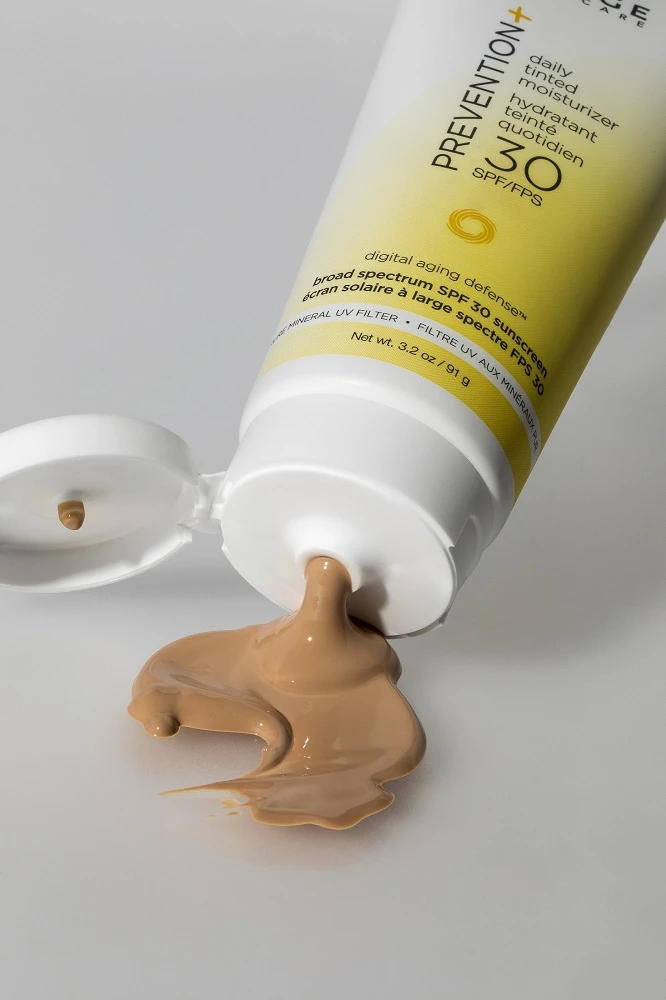
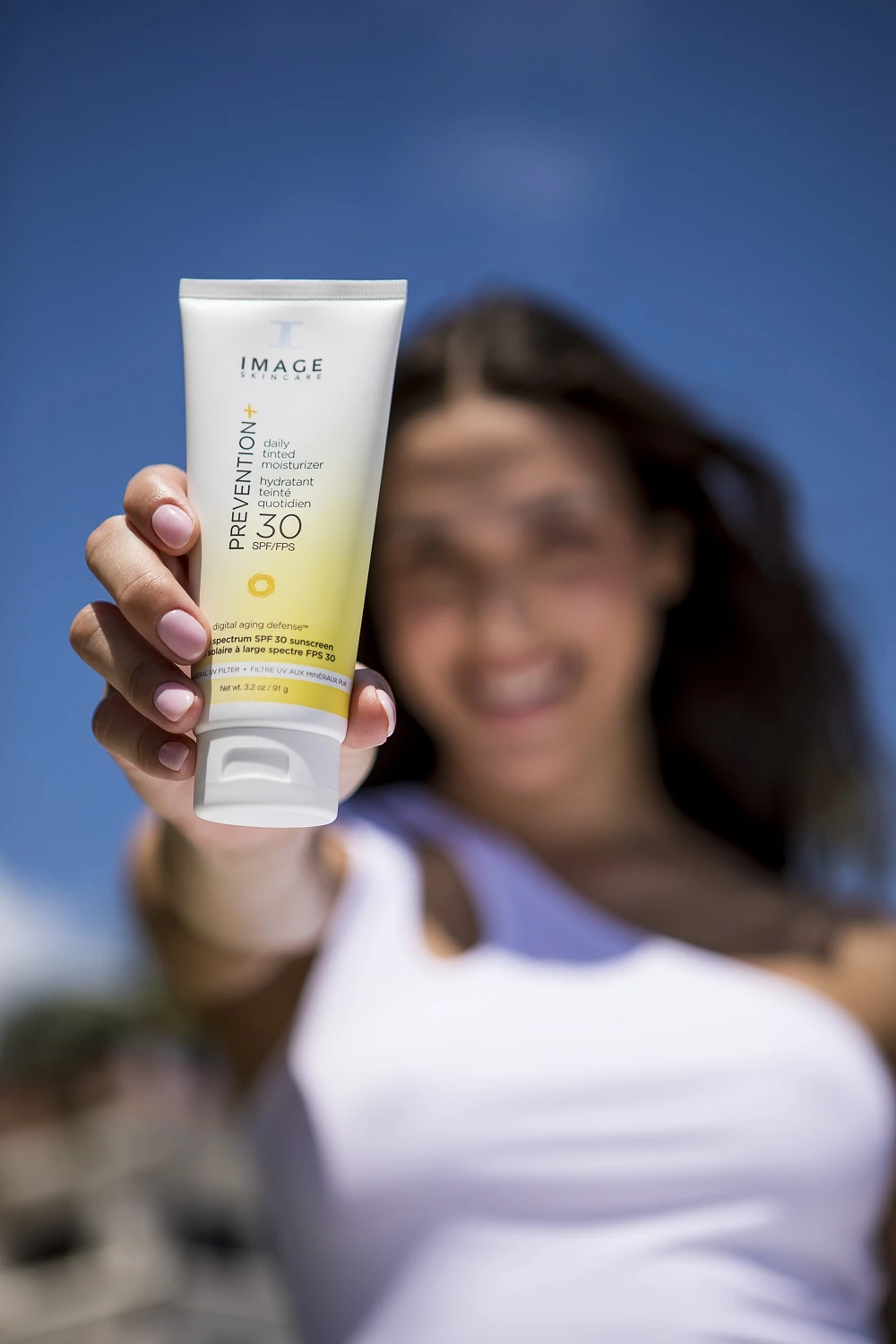
Most importantly, consistent sun protection is essential. The source recommends year-round SPF 50+ protection, including tinted sunscreen containing iron oxide for visible-light protection.
When Should You Seek Professional Help?
Consider professional evaluation if your pigmentation is spreading, becoming darker, or has not improved after several months of home care. A consultation is also important if you're unsure which treatment is suitable for your skin type or if you are pregnant or planning pregnancy.
Finding the Right Melasma Treatment in Lucknow
If you are looking for Melasma Treatment in Lucknow, choosing a treatment based on your individual pigmentation pattern and skin type is important. Non-laser options can provide effective management when selected and supervised appropriately.
At Dr. Asma M.D. Skin Clinic, Chowk, Lucknow, personalized approaches include prescription pigmentation treatments, chemical peels, Cosmelan peel, microneedling, and medical-grade sunscreen recommendations.
Final Thoughts
Laser is only one possible approach to melasma. Prescription creams, chemical peels, Cosmelan, microneedling, selected medical treatments, and strict sun protection can all play a role in managing pigmentation.
The best treatment depends on your individual skin, the depth and type of melasma, and how your skin responds. With the right diagnosis and a consistent treatment and maintenance plan, melasma can be managed more safely and effectively without relying on laser alone.
Book a Melasma Consultation
At Dr. Asma M.D. Skin Clinic, personalized non-laser approaches can help address different types of melasma and pigmentation concerns.
Address: Subhash Chandra Bose Complex, Mandi Crossing, Victoria Street, Chowk, Lucknow – 226003















Sign in to leave a comment.