
Choosing the right mattress can significantly affect how well you sleep each night. With so many options available, two of the most popular choices in the UK are memory foam mattresses and pocket spring mattresses. Each offers unique benefits and potential drawbacks depending on your sleeping habits, comfort preferences, and health needs.
If you’re trying to decide which mattress type is best for you, understanding how they differ in support, comfort, temperature regulation, and durability can help you make an informed decision. In this guide, we’ll explore the key differences between Foam Mattresses and pocket spring mattresses to help you find the best option for a restful night’s sleep.
What Are Memory Foam Mattresses?
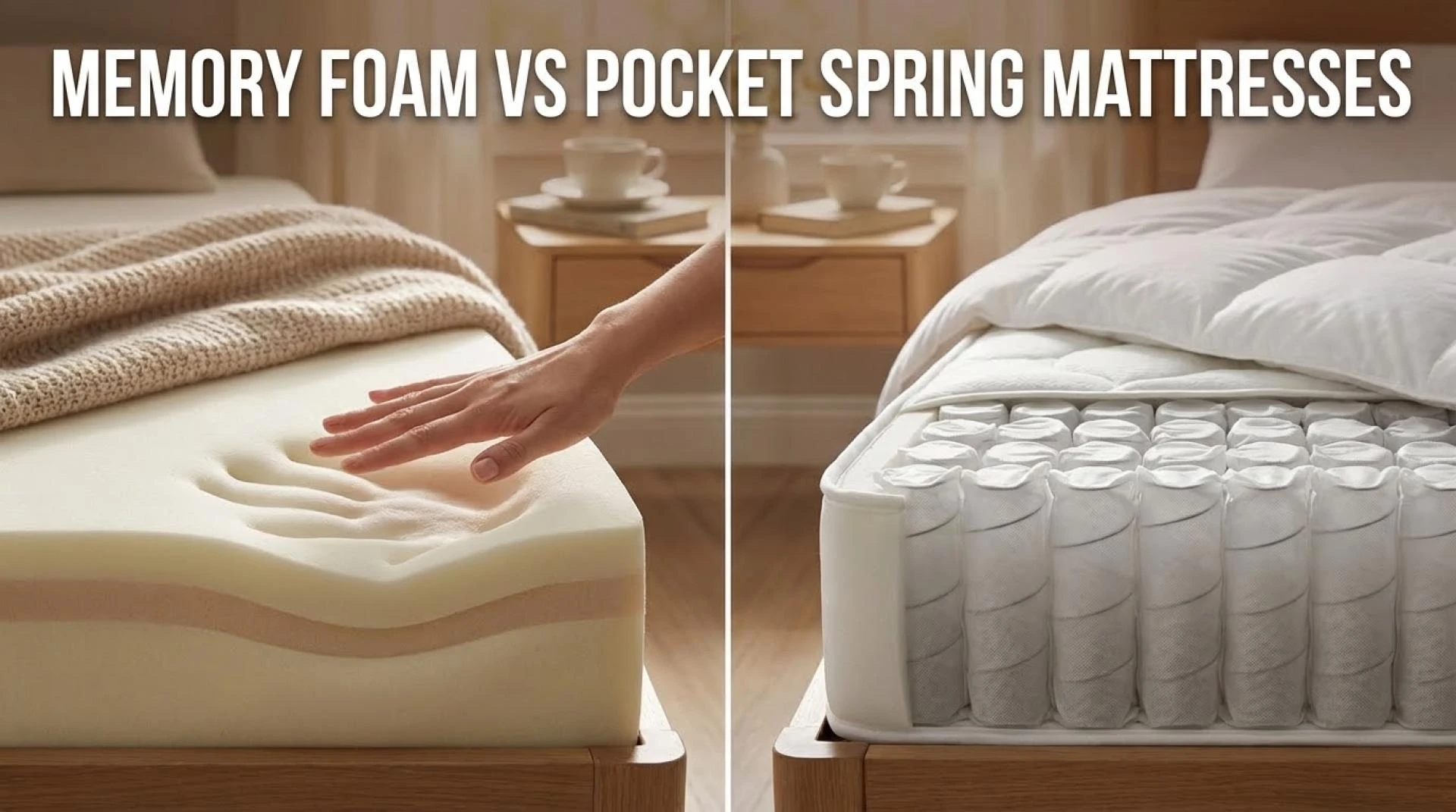
Memory foam mattresses are made from viscoelastic foam that responds to body heat and pressure. This material softens when you lie down, allowing the mattress to mould to your body’s shape and distribute weight evenly.
Originally developed by NASA to improve seat cushioning for astronauts, memory foam is now widely used in modern Foam Mattresses because of its pressure-relieving properties.
Key Benefits of Memory Foam
1. Excellent Pressure Relief
Memory foam contours around your body, reducing pressure on common pain points such as the shoulders, hips, and lower back. This makes it particularly beneficial for people who experience joint pain or discomfort during sleep.
2. Motion Isolation
One of the standout features of foam mattresses is their ability to absorb movement. If you share a bed with a partner who tosses and turns, memory foam can minimise disturbances throughout the night.
3. Consistent Support
Unlike traditional spring mattresses that may develop uneven areas over time, high-quality foam mattresses often provide consistent support across the entire surface.
Potential Drawbacks
Despite their benefits, foam mattresses may not suit everyone.
- They can retain heat, which may cause discomfort for hot sleepers.
- Some people find the sinking sensation too soft or restrictive when changing sleeping positions.
- Lower-quality foam can lose shape over time.
For sleepers who prioritise body-contouring comfort and reduced motion transfer, foam mattresses remain a popular choice.
What Are Pocket Spring Mattresses?
Pocket spring mattresses contain hundreds or thousands of individually wrapped springs. Each spring works independently, allowing the mattress to respond to pressure in specific areas rather than across the entire surface.
This design helps provide targeted support and better airflow compared with many foam alternatives.
Key Benefits of Pocket Spring Mattresses
1. Responsive Support
Because each spring moves independently, pocket spring mattresses adapt to your body weight and sleeping position. This can help maintain proper spinal alignment and improve overall sleep comfort.
2. Better Temperature Regulation
Air can circulate freely between the springs, helping the mattress stay cooler throughout the night. For people who often overheat while sleeping, this can be a significant advantage over some foam mattresses.
3. Strong Edge Support
Pocket spring mattresses typically offer firmer edges, making it easier to sit or sleep near the edge of the bed without feeling like you might roll off.
Natural vs Traditional Pocket Spring Mattresses
Within the pocket spring category, there are several variations. Two commonly discussed options are Natural Pocket Spring Mattresses and Traditional Pocket Spring Mattresses.
Natural Pocket Spring Mattresses
Natural pocket spring mattresses incorporate materials such as wool, cotton, latex, or horsehair alongside the spring system. These materials offer natural breathability, improved moisture control, and enhanced durability.
Because natural fibres help regulate temperature effectively, Natural Pocket Spring Mattresses are often recommended for sleepers who want a cooler and more eco-conscious bedding option.
They can also provide a slightly firmer, more supportive feel while maintaining comfort.
Traditional Pocket Spring Mattresses
Traditional Pocket Spring Mattresses usually combine pocket springs with synthetic comfort layers such as foam or polyester fillings. They still provide excellent support but may have a softer, more cushioned surface compared with natural alternatives.
These mattresses are often more affordable while still delivering many of the benefits of the pocket spring design.
Memory Foam vs Pocket Spring: Key Differences
When comparing foam mattresses and pocket spring mattresses, several factors can influence which option is better suited to your needs.
Comfort and Feel
Memory foam offers a deep, contouring feel that moulds around your body. This “hugging” sensation is appealing for many sleepers who prefer a cushioned surface.
Pocket spring mattresses provide a more responsive and traditional feel. Rather than sinking into the mattress, you’re supported on top of it.
Temperature Control
Foam mattresses can sometimes retain heat, although newer designs often include cooling layers.
Pocket spring mattresses generally provide better airflow due to the space between the springs. This natural ventilation helps maintain a cooler sleeping environment.
Support and Spinal Alignment
Both mattress types can offer excellent support, but they do so differently.
Memory foam distributes weight evenly, helping reduce pressure points.
Pocket spring mattresses respond independently to body weight, allowing them to support different parts of the body more precisely. Many sleepers find this beneficial for maintaining proper spinal alignment.
Motion Transfer
If you share a bed with a partner, motion isolation may be important.
Foam mattresses are excellent at absorbing movement, making them ideal for couples.
Pocket spring mattresses also reduce motion transfer compared with older open-coil designs, but they may still allow slightly more movement across the bed than foam options.
Which Mattress Is Better for Your Sleep?
The best mattress ultimately depends on your individual preferences and sleeping habits.
You might prefer Foam Mattresses if:
- You want strong pressure relief
- You prefer a softer, body-contouring feel
- You share a bed and want minimal movement disturbance
A pocket spring mattress may be better if:
- You tend to sleep hot
- You prefer a more supportive, responsive feel
- You want enhanced airflow and durability
Many sleep experts recommend pocket spring mattresses for people who prioritise spinal alignment and temperature control during the night.
Choosing the Right Mattress for Long-Term Comfort
Investing in the right mattress is one of the most important steps towards improving sleep quality. High-quality mattresses should provide balanced support, breathable materials, and long-lasting durability.
Brands such as Sleep Harvester focus on designing mattresses that combine ergonomic support with carefully selected materials to promote healthier sleep. Whether you’re considering foam or pocket spring options, choosing a mattress built with sleep science in mind can make a noticeable difference in how you feel each morning.
Final Thoughts
Both memory foam and pocket spring mattresses have distinct advantages. Foam mattresses excel at pressure relief and motion isolation, while pocket spring mattresses provide breathable support and responsive comfort.
For many sleepers, particularly those seeking better airflow and structured support, Natural Pocket Spring Mattresses or Traditional Pocket Spring Mattresses may offer the ideal balance between comfort and durability.
Ultimately, the best mattress is the one that supports your body properly, keeps you comfortable throughout the night, and helps you wake up feeling refreshed and well rested. Taking the time to understand these differences can help you choose a mattress that truly supports better sleep.




























Sign in to leave a comment.