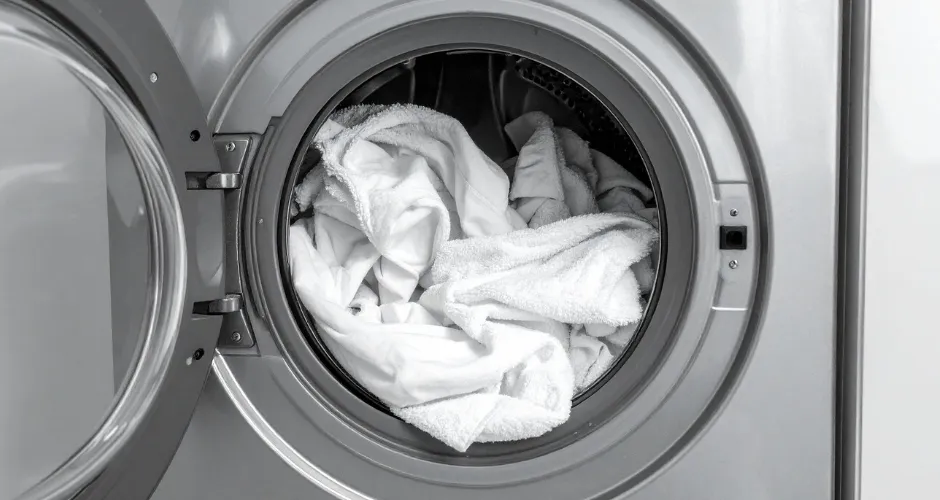

Vent cleaning is one of those home maintenance jobs that often gets pushed to the bottom of the list, right up until the dryer stops working properly or a strange burning smell fills the laundry room. Homeowners usually remember to clear the lint trap after every load, but the long vent that runs from the dryer to the outside wall collects buildup too, and that buildup does not stay harmless for long. It slows down airflow, raises energy bills, and in some cases creates a real fire hazard inside the home.
A missed maintenance appointment last spring taught one Ontario homeowner this lesson the hard way, after a single load of laundry started taking almost two hours instead of the usual forty minutes. Professionals such as Airways Dryer Vent and Duct Services deal with these situations often, and the pattern is almost always the same: small warning signs show up long before the bigger problems do.
Why a Dryer Works Harder When the Vent Is Clogged
A clogged dryer vent forces the appliance to work much harder than it was designed to. As airflow becomes restricted, drying performance drops, energy use rises, and the extra strain can shorten the dryer's lifespan. Here are the most common effects of a blocked duct:
- Longer Drying Times: Restricted airflow prevents moist air from escaping efficiently, causing drying cycles to take much longer than normal.
- Damp Clothes After a Cycle: When hot, humid air becomes trapped inside the dryer, clothes may still feel slightly damp even after a full cycle.
- Excess Heat Around the Dryer: A clogged duct causes heat to build up inside the appliance, making the dryer and the surrounding area noticeably hotter than usual.
- Higher Energy Bills: Because the dryer must run longer to achieve the same results, it uses more electricity with every load, increasing utility costs over time.
- Premature Wear and Tear: Constant overworking places extra stress on components like the motor, belts, and heating element, leading to faster wear and potentially expensive repairs or replacement.
- A Real-World Example: One homeowner in Mississauga ignored slow drying for nearly eight months, assuming the appliance was simply aging. An inspection later found the duct almost completely blocked by lint, along with a bird's nest near the exterior duct cap. Clearing the blockage restored the dryer's performance and cost far less than replacing the appliance would have.
Simple Steps to Keep the Vent System Running Well
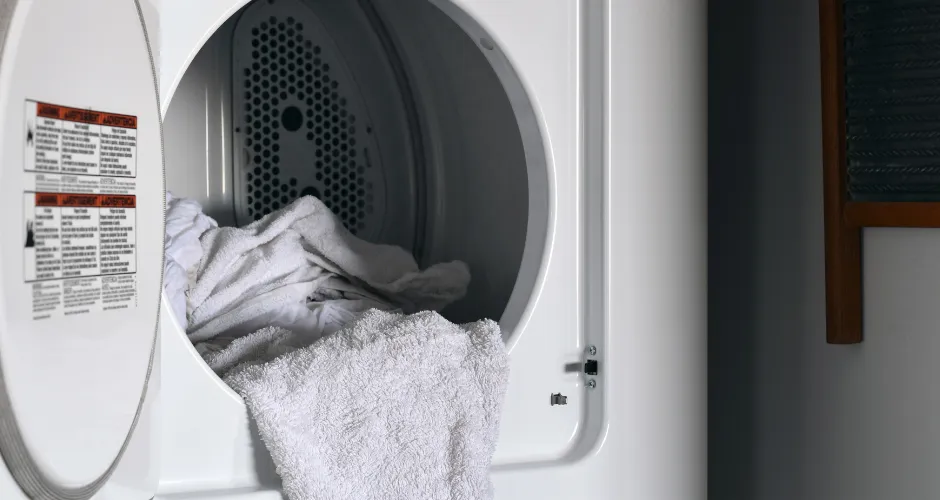
A few habits go a long way toward preventing buildup between professional visits. Clearing the lint trap before every single load is the most basic step, but it only catches a fraction of the lint that actually escapes into the duct system. Checking the outside duct cap every couple of months for blockages, nests, or crushed sections helps catch problems early. Homeowners handling repairs themselves should also swap out plastic or foil ducting for rigid or semi-rigid metal, since flexible materials trap lint far more easily and sag over time.
For a deeper walkthrough of these habits, along with seasonal reminders and troubleshooting tips, the dryer vent maintenance blog from Airways covers most common scenarios homeowners run into. Reading through a few of those posts before attempting a DIY cleaning can help avoid common mistakes, like using the wrong brush size or missing a bend in the ductwork entirely. When a vent run includes multiple turns or runs through an attic or crawl space, calling in a professional is usually the safer and faster route.
Vent Cleaning: Can a Dirty Vent Actually Make People Sick
It is a fair question, and the answer is yes, in more ways than most people expect. A blocked duct traps moisture inside the ductwork, and that trapped moisture creates ideal conditions for mold and mildew to grow. Spores from that mold can circulate back into the home through the dryer or nearby vents, triggering allergy symptoms, headaches, or breathing trouble in people who are sensitive to airborne particles. Gas dryers add another layer of risk, since a blocked duct can allow carbon monoxide to build up instead of venting safely outside.
For a closer look at the specific health risks tied to blocked vents, the article on how dirty vents affect indoor air quality breaks down the symptoms to watch for and explains why regular vent cleaning matters just as much for health as it does for fire prevention. Families with young children, older adults, or anyone with asthma should treat a slow-drying dryer as a warning sign worth investigating right away, rather than something to put off for another season.
Keeping the Laundry Room Safe Starts With Small Habits

A dryer duct rarely causes problems overnight. It is usually the result of months, or even years, of small buildup that nobody noticed until the signs became impossible to ignore. Watching for warning signs, sticking to a cleaning schedule, and calling in professional help when the job gets complicated are the three habits that keep a laundry room safe and a dryer running efficiently.
Teams like Airways Dryer Vent and Duct Services see the same avoidable problems repeat across different homes, and most of them trace back to one missed appointment or one ignored warning sign. Booking that appointment before the cold season arrives, rather than after a scare, is the difference between a routine service call and an emergency one. In the end, staying ahead of the buildup through regular vent cleaning is a small task that protects both a home and the people living in it.




























Sign in to leave a comment.