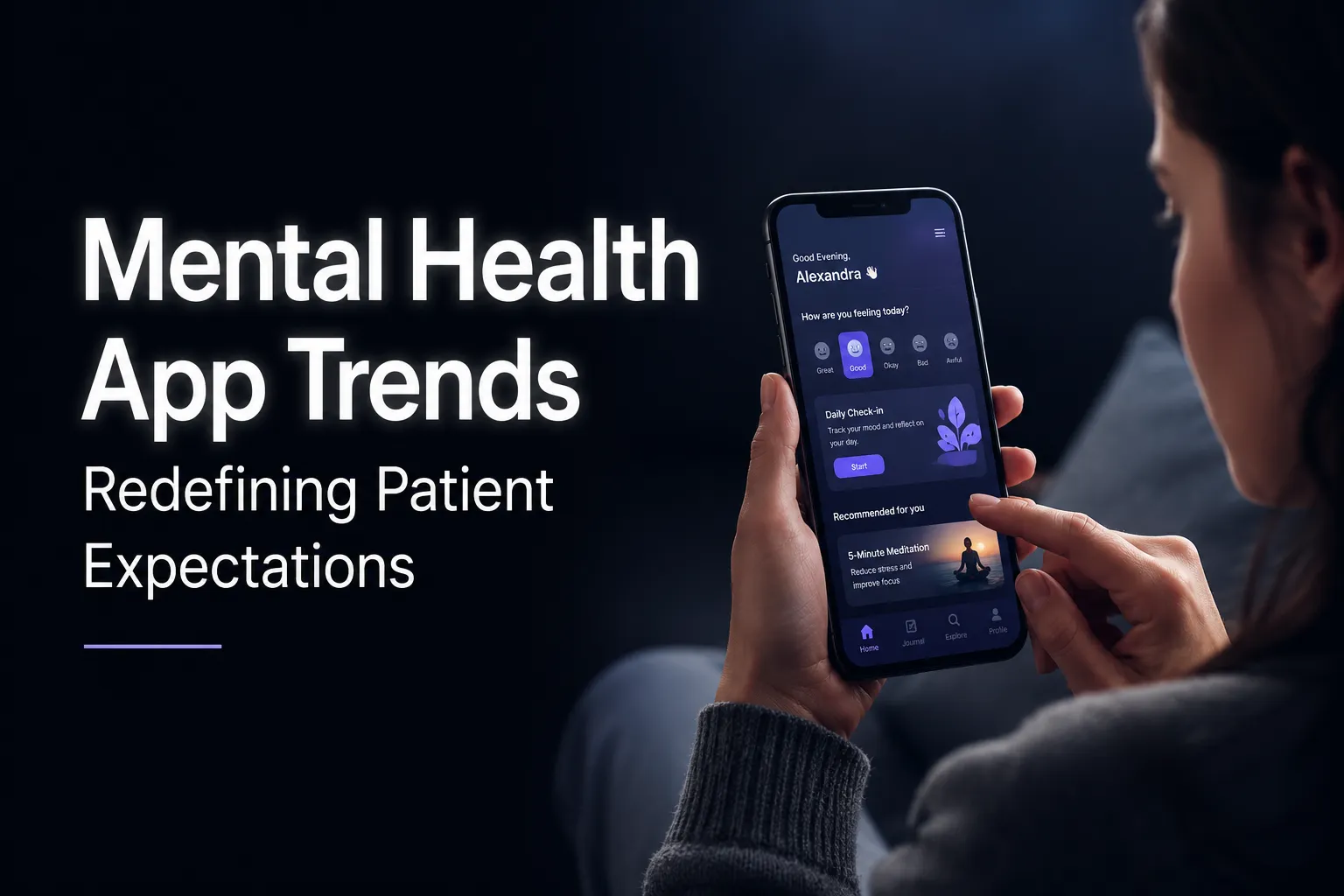

Mental healthcare has entered a new digital era. What began with simple meditation applications and online counseling platforms has evolved into intelligent ecosystems designed to support emotional wellness, therapy access, self-care, and long-term mental health management. As technology becomes more integrated into everyday life, patient expectations continue to rise.
People no longer download mental health apps simply for convenience. They expect personalized experiences, immediate assistance, meaningful insights, and secure environments where sensitive information remains protected. These changing demands are influencing how every mental health app development company approaches innovation, design, and feature planning.
Businesses entering this rapidly growing market must understand what modern users value most and how emerging trends are reshaping the future of digital mental healthcare.
Personalized Mental Health Journeys Are Becoming Essential
Generic wellness recommendations are losing their appeal. Users expect applications to understand their unique challenges, goals, emotional patterns, and behavioral habits.
Modern mental wellness platforms are increasingly using data-driven approaches to tailor experiences for individual users. Instead of presenting the same content to everyone, applications now recommend customized exercises, wellness plans, and coping techniques based on personal preferences and engagement history.
Patients are more likely to remain active on platforms that provide:
- Personalized wellness goals
- Customized therapy pathways
- Individual progress tracking
- Relevant educational content
- Adaptive self-care recommendations
The demand for personalization continues to influence mental healthcare app development strategies across the industry.
AI Is Expanding Access to Mental Health Support
Artificial intelligence is playing a significant role in improving user engagement and accessibility. Many users seek immediate guidance during moments of stress or emotional difficulty, making instant support features increasingly valuable.
AI-powered capabilities can analyze behavioral patterns, monitor mood trends, and provide recommendations based on user activity. These systems help users stay engaged with their wellness routines while supporting therapists with additional insights.
Rather than replacing healthcare professionals, AI serves as an extension of mental health services by offering assistance between appointments and encouraging proactive wellness habits.
Organizations investing in behavioral health app development increasingly view AI as a key component of future-ready digital solutions.
Virtual Therapy Experiences Continue to Evolve
Teletherapy has become a preferred option for many individuals seeking professional support. Flexible scheduling, location independence, and greater accessibility have transformed virtual care from an alternative service into a primary channel for mental healthcare delivery.
Patients expect seamless communication throughout the treatment process. A complicated booking experience or unreliable video consultation feature can quickly reduce satisfaction and trust.
Features Users Commonly Expect
- Secure video consultations
- Therapist discovery tools
- Appointment scheduling systems
- In-app messaging
- Session reminders
- Digital treatment plans
Mental health app developers are prioritizing user-friendly telehealth experiences to meet growing demand for remote care.
Real-Time Wellness Tracking Is Replacing Basic Mood Journals
Mood tracking remains valuable, but users increasingly want deeper insights into their overall well-being. Modern mental health applications are expanding beyond simple emotional check-ins and offering comprehensive wellness monitoring.
Today's users are interested in understanding how daily habits influence their mental health. Applications that connect multiple wellness indicators provide a more complete picture of emotional and psychological well-being.
Common tracking capabilities include sleep analysis, activity monitoring, stress reporting, emotional trend analysis, and habit tracking.
The ability to visualize long-term progress helps users identify patterns and make informed decisions about their wellness routines.
Privacy and Trust Have Become Competitive Advantages
Mental health information is highly personal. As awareness of digital privacy increases, users are paying closer attention to how applications collect, store, and manage sensitive data.
Trust plays a major role in platform adoption. Users want reassurance that their information remains confidential and protected from unauthorized access.
Successful mental wellness app solutions typically prioritize:
- End-to-end encryption
- Multi-factor authentication
- Secure cloud infrastructure
- Compliance-focused data handling
- User-controlled privacy settings
Applications that demonstrate transparency and accountability often establish stronger long-term relationships with users.
Wearable Integration Is Creating Smarter Health Ecosystems
The popularity of wearable devices continues to influence mental health technology. Users increasingly expect seamless connections between fitness trackers, smartwatches, and wellness applications.
Wearable integrations allow platforms to collect valuable health-related information that supports more personalized recommendations and wellness insights.
Benefits of Connected Health Experiences
- Better stress monitoring
- Improved sleep analysis
- Enhanced activity tracking
- More accurate wellness reporting
- Personalized behavioral insights
When mental health platforms combine physiological data with emotional assessments, users gain a broader understanding of their overall well-being.
Community-Based Support Is Driving Engagement
Mental wellness often improves when individuals feel supported and understood. Many users actively seek safe environments where they can share experiences and connect with others facing similar challenges.
Community-focused features have become increasingly popular because they help reduce feelings of isolation while encouraging positive engagement.
Some commonly adopted community features include:
- Anonymous discussion groups
- Peer support forums
- Wellness challenges
- Group therapy sessions
- Educational communities
Carefully moderated environments help maintain a supportive atmosphere while encouraging meaningful interactions among users.
Preventive Mental Healthcare Is Taking Center Stage
Mental health applications are moving beyond treatment-focused models and embracing preventive care. Many users now seek tools that help them manage stress, build resilience, and maintain emotional wellness before serious challenges arise.
Preventive mental health features often include self-assessments, mindfulness exercises, emotional awareness programs, guided breathing activities, and educational resources.
Healthcare providers, employers, and wellness organizations increasingly recognize the value of proactive mental healthcare. Early intervention often contributes to better outcomes while helping individuals maintain healthier lifestyles.
Evidence-Based Features Are Influencing User Trust
Patients are becoming more informed about mental healthcare options and expect applications to deliver meaningful value rather than generic advice.
As a result, custom mental health app development projects increasingly incorporate evidence-based methodologies that align with recognized therapeutic practices.
Evidence-Based Approaches Gaining Popularity
- Cognitive Behavioral Therapy exercises
- Mindfulness-based interventions
- Guided therapeutic programs
- Clinical assessments
- Structured wellness frameworks
Applications grounded in proven methodologies often gain stronger credibility among both users and healthcare professionals.
The Future of Mental Health Applications
Patient expectations are evolving faster than ever. Personalization, artificial intelligence, preventive care, teletherapy, wearable integration, privacy protection, and evidence-based support are shaping the next generation of digital mental health solutions.
Businesses entering this space must focus on delivering experiences that are secure, engaging, and genuinely helpful. Working with an experienced mental health app development company allows organizations to align their products with emerging market demands while building scalable solutions designed for long-term growth.
As digital healthcare continues to expand, applications that prioritize user needs and meaningful outcomes will be best positioned to succeed.
FAQs
Why are users demanding more personalized mental health apps?
Users want recommendations, wellness plans, and support tailored to their individual goals, emotional patterns, and lifestyle habits. Personalized experiences often improve engagement and long-term retention.
What role does artificial intelligence play in mental health applications?
Artificial intelligence helps analyze user behavior, identify wellness trends, provide recommendations, and improve engagement through intelligent support features.
Why is privacy important in mental healthcare applications?
Mental health apps handle highly sensitive personal information. Strong privacy measures help build trust, improve user confidence, and support regulatory compliance.
How do wearable devices improve mental health applications?
Wearables provide valuable data related to sleep, stress, activity levels, and recovery patterns, helping applications deliver more accurate insights and recommendations.
What should businesses prioritize when developing a mental health app?
Businesses should focus on user experience, personalization, security, scalability, evidence-based features, and long-term engagement strategies to maximize adoption and growth.



























Sign in to leave a comment.