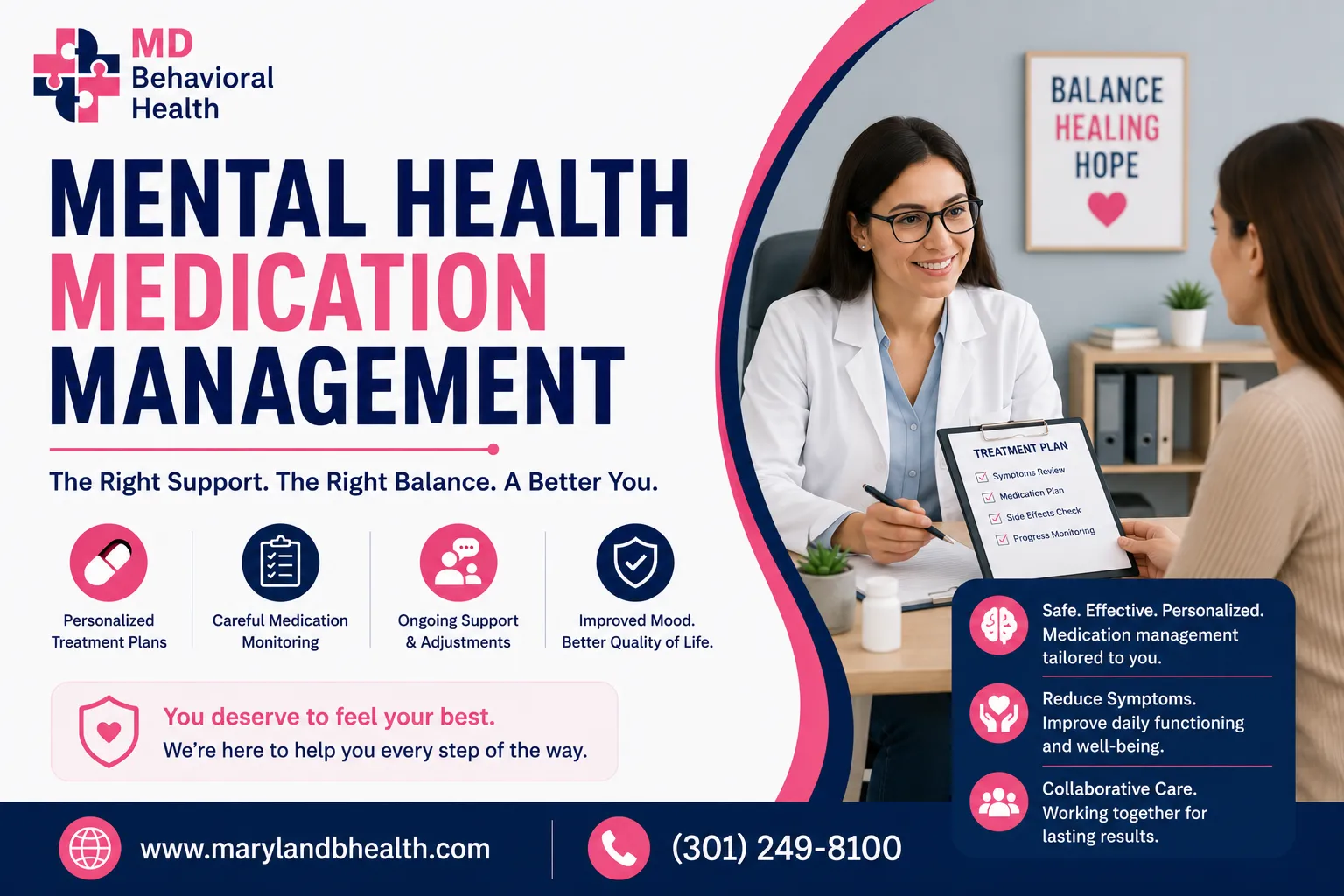

Mental health treatment often involves a combination of therapy, lifestyle changes, support systems, and medication when appropriate. For many individuals, medications play an important role in managing symptoms related to depression, anxiety, bipolar disorder, ADHD, and other mental health conditions. However, successful treatment requires more than simply taking prescribed medications. Ongoing monitoring, professional guidance, and regular evaluations are essential to ensure medications remain effective and safe. Through Mental Health Medication Management, healthcare providers help patients optimize treatment plans, manage side effects, and achieve better mental health outcomes while supporting long-term emotional well-being.
Understanding Mental Health Medication Management
Mental health medication management is a specialized healthcare service focused on evaluating, prescribing, monitoring, and adjusting psychiatric medications.
Mental health professionals carefully assess each patient's symptoms, treatment history, medical background, and response to medications. This process helps ensure that treatment remains effective and aligned with the individual's needs.
Why Medication Management Is Important
Psychiatric medications can be highly effective when properly managed. Regular monitoring helps healthcare providers identify opportunities to improve treatment outcomes and reduce potential risks.
Improved Symptom Control
Proper medication management can help reduce symptoms and improve overall functioning.
Reduced Side Effects
Regular evaluations allow healthcare providers to address side effects early and make adjustments when necessary.
Personalized Treatment
Medication plans are tailored to each individual's symptoms, goals, and health history.
Better Treatment Adherence
Patients who understand their medications are more likely to follow treatment recommendations consistently.
Conditions Commonly Treated Through Medication Management
Mental health medication management supports individuals experiencing a variety of psychiatric conditions.
Depression
Medication may help improve mood, energy levels, and overall emotional well-being.
Anxiety Disorders
Individuals experiencing excessive worry, panic attacks, or persistent anxiety may benefit from carefully monitored treatment.
Bipolar Disorder
Medication management can help stabilize mood fluctuations and reduce the frequency of episodes.
ADHD
Proper medication oversight helps improve focus, attention, and daily functioning.
PTSD and Trauma-Related Conditions
Certain medications may support symptom management as part of a comprehensive treatment plan.
What to Expect During Medication Management Appointments
Medication management visits are designed to evaluate treatment effectiveness and ensure ongoing patient safety.
Healthcare providers may:
- Review current symptoms
- Assess medication effectiveness
- Discuss side effects or concerns
- Adjust dosages when needed
- Evaluate treatment goals
- Monitor overall progress
- Provide education about medication use
These regular appointments help maintain an effective and personalized treatment approach.
The Importance of Individualized Mental Health Care
Every person responds differently to psychiatric medications. Factors such as age, medical history, lifestyle, and symptom severity can influence treatment outcomes.
Individualized care allows providers to make informed decisions that support both symptom improvement and long-term wellness.
Understanding Preventive Health Screening
Preventive healthcare focuses on identifying health concerns before they become serious medical problems. Preventive health screenings play a critical role in helping individuals maintain good health and reduce future risks.
These screenings allow healthcare providers to detect potential issues early and recommend appropriate interventions when necessary.
What Is Preventive Health Screening?
Preventive health screening involves medical evaluations designed to identify risk factors, monitor overall health, and detect diseases during their earliest stages.
Screenings are often recommended based on factors such as age, family history, lifestyle, and existing health conditions.
Benefits of Preventive Health Screening
Routine screenings offer numerous advantages for individuals seeking to maintain long-term health.
Early Detection
Many medical conditions can be identified before noticeable symptoms develop.
Improved Treatment Outcomes
Early diagnosis often leads to more effective treatment and better long-term results.
Reduced Healthcare Risks
Identifying risk factors early helps healthcare providers implement preventive measures.
Better Health Awareness
Screenings provide valuable information that helps individuals make informed decisions about their health.
Common Types of Preventive Health Screenings
Healthcare providers may recommend a variety of screenings depending on individual needs.
Blood Pressure Screening
Regular blood pressure checks help identify hypertension and reduce cardiovascular risks.
Cholesterol Testing
Cholesterol screenings provide important information about heart health.
Diabetes Screening
Routine blood sugar testing can detect diabetes and prediabetes at an early stage.
Cancer Screenings
Preventive screenings help identify certain cancers when treatment may be most effective.
Mental Health Assessments
Behavioral health evaluations can help identify emotional and psychological concerns before they worsen.
The Connection Between Mental and Physical Health
Mental and physical health are closely linked. Individuals experiencing mental health challenges may also be at greater risk for certain physical health concerns.
Regular preventive screenings help healthcare providers monitor overall wellness while supporting comprehensive treatment plans that address both physical and emotional health.
Building a Proactive Healthcare Plan
A proactive approach to healthcare involves routine evaluations, healthy lifestyle choices, preventive screenings, and ongoing medical support.
By combining medication management with preventive care, individuals can better protect their health and improve long-term outcomes.
For patients seeking early detection and ongoing wellness support, preventive health screening services provide valuable insights that help identify risks, guide treatment decisions, and support healthier lives through proactive healthcare strategies.
Conclusion
Mental health medication management and preventive health screening are both essential components of comprehensive healthcare. Together, they help individuals manage existing conditions, reduce future health risks, and maintain overall well-being.
Through personalized medication oversight and routine health evaluations, healthcare providers can support safer treatments, earlier diagnoses, and improved quality of life. Investing in both mental health care and preventive healthcare is an important step toward achieving long-term wellness and better health outcomes.



























Sign in to leave a comment.