
In the intricate world of utility management, where precision and fairness are paramount, meter seals emerge as unsung heroes. These unassuming devices play a pivotal role in safeguarding the integrity of utility meters. They ensure accurate measurements and prevent unauthorized interference. The functions, applications, and myriad benefits of meter seals that are often underestimated but integral to the reliability of utility systems are explained.
Understanding Meter Seals
Types and Components
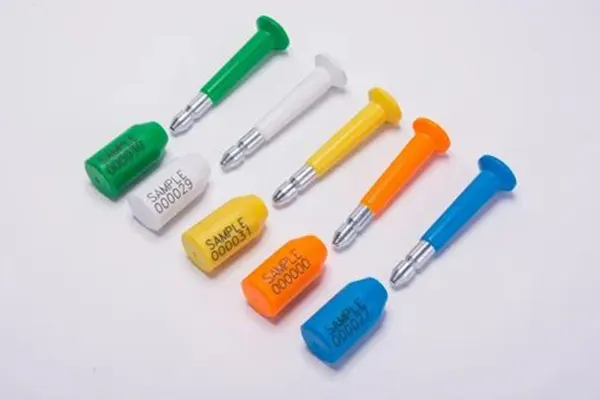
Meter seals may be of different types. The most popular are wire seals and plastic seals. The main components of meter seals are the sealing wire and the locking mechanism. The wire in the locking mechanism provides secure closure. A unique serial number or identification enables traceability and accountability. Plastic seals often feature complicated locking mechanisms. They offer durability and cost-effectiveness.
FunctionalityMeter seals are compact, secure mechanisms designed to enclose or lock utility meters effectively. Their primary function is to act as a tamper-evident barrier, deterring any unauthorized access or interference with the meter. When properly installed, roto seals serve as visible indicators, making any attempt at tampering readily apparent.
ConstructionMeter seals may be of different materials. Metal seals are strong and resist tampering. They are suitable for high-security applications. Plastic seals are lightweight and cost-effective. They find extensive use where the risk of tampering is relatively lower. The choice of material depends on the level of security required and the environmental conditions in which the seal will be used.
Typically crafted from durable materials such as plastic or metal, a gas meter seal is engineered to withstand various environmental conditions. The robust construction of padlock seals ensures longevity and resilience, vital attributes for maintaining the security of utility meters over an extended period.
Installation and Inspection
Installing meter seals is a task usually entrusted to trained personnel. It ensures the seals are properly affixed for maximum effectiveness. Regular inspections are conducted to verify the integrity of seals and to detect any signs of tampering. Properly installed meter seals are designed to be tamper-evident, making it clear when unauthorized access has occurred.
Applications of Meter Seals
Utility MetersThe most common application of meter seals is in securing utility meters. Whether for electricity, gas, water, or other essential services, meter seals provide a protective barrier against tampering, safeguarding the accuracy of meter readings.
Transportation IndustryMeter seals find applications beyond utilities, extending to the transportation industry. They are used to secure cargo containers and transportation meters, preventing theft or unauthorized access during transit.
Manufacturing and ProductionMeter seals protect equipment settings and configurations to ensure the integrity of production processes. This application is particularly crucial in industries where precision and quality control are paramount.
Benefits of Meter Seal
Tamper PreventionThe main benefit of an electric meter seal is to prevent tampering. Any attempt to breach the seal results in visible evidence of intrusion. It may be like an electric meter seal broken. It acts as a deterrent and safeguards the accuracy of utility measurements.
Accuracy in BillingElectric meter security seals contribute to fair billing by ensuring the accuracy of utility meter readings. This is essential for both consumers and providers, as it establishes trust in the billing process and prevents financial discrepancies.
Legal ComplianceMany regulatory bodies mandate the use of meter seals to ensure compliance with industry standards. Adherence to these regulations not only avoids legal consequences but also fosters a sense of accountability within the utility sector.
Resource ProtectionMeter seals protect the revenue generated by utility providers by preventing unauthorized access and tampering. A water meter seal, in turn, allows for the fair distribution of resources and facilitates the ongoing maintenance and improvement of essential infrastructure.
Challenges and Mitigations
Meter seals are crucial for maintaining the integrity of utility services. However, they are not without challenges. Sophisticated tampering techniques and the illicit market for counterfeit seals pose ongoing threats. Mitigating these risks requires ongoing research and development, collaboration between industry stakeholders, and the implementation of advanced security measures.
Education and Public Awareness
An essential aspect of the effective use of meter seals is educating the public about their significance. Awareness campaigns can help consumers understand the role of meter seals in ensuring fair billing, the consequences of tampering, and the broader implications for the sustainability of utility services. An informed public is more likely to collaborate in maintaining the integrity of utility systems.
Conclusion
Meter seals might seem like small components in the larger framework of utility services. However, you cannot overstate their importance. They serve as guardians of accuracy, fairness, and legal compliance in metering systems. By preventing tampering and fraud, meter seals contribute to the reliability of billing systems, protect revenue, and ensure the equitable distribution of vital resources. As technology advances, the evolution of meter seals will likely continue, further enhancing their effectiveness in safeguarding the integrity of utility meters.























Sign in to leave a comment.