

When choosing hair extensions, how long they last is often as important as how they look. Two popular methods are micro ring hair extensions and tape extensions. Both can add length and fullness, but their lifespan differs based on design, maintenance, and daily habits. Understanding these differences helps people choose a method that suits their routine and expectations.
This article compares the longevity of micro ring and tape methods in a simple, practical way, based on salon experience, hair growth facts, and real wear patterns.
What Longevity Really Means With Extensions
Longevity is not just about how long hair stays attached. It also includes how well the hair looks, how comfortable it feels, and how many times it can be reused.
With micro ring hair extensions, longevity often refers to how many months the same hair can be worn through maintenance cycles. With tape extensions, longevity is linked more closely to adhesive strength and refitting timing.
How Micro Ring Hair Extensions Age Over Time
Micro ring hair extensions are attached using small metal rings that hold the extension hair to natural hair without glue or heat. As natural hair grows, the rings move down the strand.
Because the rings can be opened and repositioned, the same hair is often reused across several maintenance visits. Many wearers use the same set of micro ring hair extensions for six to nine months when cared for properly.
How Tape Extensions Age Over Time
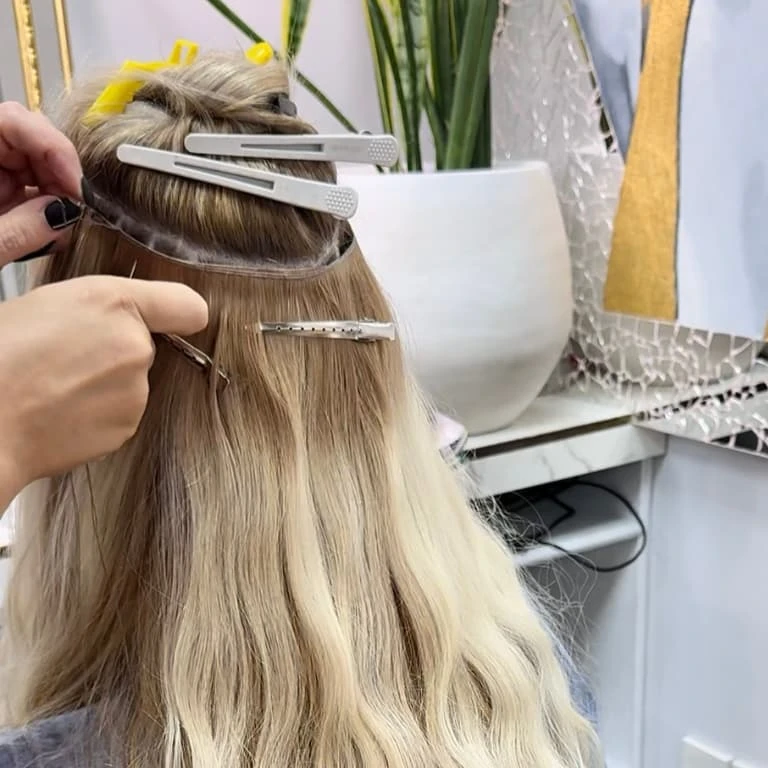
Tape extensions rely on adhesive strips that sandwich natural hair between them. These bonds sit flat and blend well, but the adhesive weakens over time.
Most tape methods need refitting every six to eight weeks. While the hair itself can sometimes be reused, the adhesive must be replaced. Over time, frequent removal and reattachment can affect hair condition, which can shorten the overall lifespan compared to micro ring methods.
Maintenance Cycles and Their Impact
Maintenance plays a major role in longevity. Micro ring hair extensions follow a clear cycle: hair grows, rings are adjusted, and the same hair continues to be worn.
Tape extensions also follow a cycle, but it involves removing adhesive, cleaning hair, and re-taping. This repeated handling adds wear. As a result, micro ring methods often allow more reuse before the hair needs replacing.
Daily Wear and Stress on Hair
Daily habits affect both methods, but in different ways. Micro ring hair extensions distribute weight across small sections and move with natural hair growth.
Tape extensions spread weight across a flat surface, which feels light, but the adhesive area can be sensitive to moisture, heat, and products. Over time, this sensitivity can reduce hold strength, leading to earlier refits and potential wear.
Climate and Lifestyle Factors
Heat, humidity, and activity levels affect tape adhesive more strongly. In warm or humid conditions, tape bonds may soften faster.
Micro ring hair extensions are less affected by climate because they rely on mechanical hold rather than adhesive. This stability often supports longer wear across seasons and travel conditions.
Hair Health Over Long-Term Use
Hair health influences how long extensions can be worn. Micro ring hair extensions allow natural hair to be washed and cared for normally, with no residue at the root.
Tape extensions can trap product or moisture near the bond if care is not precise. Over time, this can affect both natural hair and extension lifespan if routines are not consistent.
Comfort and Long-Term Wear
Comfort affects how long people choose to wear a method. If hair feels uncomfortable, wearers are more likely to remove it early.
Many long-term users report that micro ring hair extensions feel lighter over time because pressure stays balanced as hair grows. Tape extensions feel very comfortable at first, but may feel less secure as the adhesive weakens.
Reuse and Cost Over Time
Longevity also links to value. Micro ring hair extensions are often reused across several maintenance cycles, which can spread the cost over many months.
Tape extensions may need earlier replacement if adhesive wear or repeated handling affects hair condition. While both methods can be reused, micro rings often allow longer total use from one set of hair.
Styling and Wear Patterns
Styling habits affect lifespan. Frequent heat near tape bonds can shorten their life.
With micro ring hair extensions, styling flexibility is often greater because there is no adhesive area to protect. This freedom can support longer wear when styling is done carefully.
Who Often Benefits From Longer Longevity
People who want steady wear over many months often lean towards micro ring hair extensions. They suit those who prefer predictable maintenance and reuse.
Tape extensions often suit people who want a flatter, seamless look for shorter periods or specific seasons, even if refitting happens more often.
Real Salon Feedback on Longevity
Salon records show a clear pattern. Clients using micro ring hair extensions often keep the same hair longer, especially when maintenance visits are regular.
Tape extension clients often enjoy the look but expect more frequent refits. Both experiences are positive when expectations match the method.
Setting Realistic Expectations
Neither method lasts forever. Longevity depends on care, hair quality, and lifestyle.
Understanding that micro ring hair extensions often offer longer total wear helps people choose based on time rather than appearance alone.
Summary
When comparing longevity, micro ring hair extensions generally last longer than tape methods due to their adjustable design and reuse potential. Tape extensions offer flat blending and comfort but rely on adhesive that requires more frequent attention. Choosing between them depends on how long the hair is expected to last, how often maintenance is preferred, and how the method fits daily life.

Sign in to leave a comment.