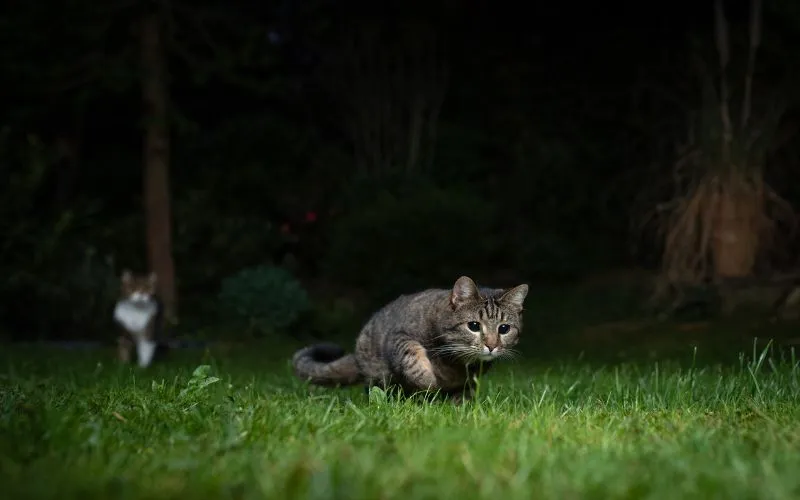

Intro: Why Your Cat Turns Into a Night-Time Rocket
It’s 2:17 a.m.
The house is silent.
And suddenly—your cat is sprinting across the hallway like it’s a racetrack.
Sound familiar?
For many indoor cat owners in Australia, “midnight zoomies” are a regular (and slightly chaotic) part of life. In fact, behaviour trends suggest that over 60% of indoor cats show bursts of high-energy activity at night, especially in smaller homes or apartments.
But here’s the real question:
Is it normal… or a sign your cat needs more play?
What Are Midnight Zoomies, Really?
Those sudden bursts of running, jumping, and sliding are often called “zoomies.”
Think of it like your cat hitting a reset button:
- Releasing stored energy
- Acting on natural hunting instincts
- Reacting to their environment
Interestingly, cats are crepuscular, meaning they’re naturally most active at dawn and dusk. So when your cat goes full speed at night, it’s not random—it’s instinct.
Do Zoomies Mean My Cat Is Bored?
Sometimes, yes.But not always.
Zoomies can happen because of:
- Pent-up energy from inactivity during the day
- Lack of mental stimulation
- Irregular play routines
If your cat:
- Sleeps most of the day
- Ignores toys
- Then suddenly becomes hyper at night
That’s often a sign they didn’t get enough structured playtime earlier.
Why Do Indoor Cats Get More Zoomies?
Indoor cats have fewer opportunities to:
- Hunt
- Explore
- Climb
So their energy builds up… quietly.
Then—boom. Midnight chaos. An easy way to think about it: Your cat isn’t hyper—they’re “under-exercised.”
How to Reduce Midnight Zoomies?
You don’t need to stop zoomies completely (they’re normal). But you can shift them to more convenient hours.
The “Evening Reset Routine”
Step 1: Play before dinner (5–10 minutes)
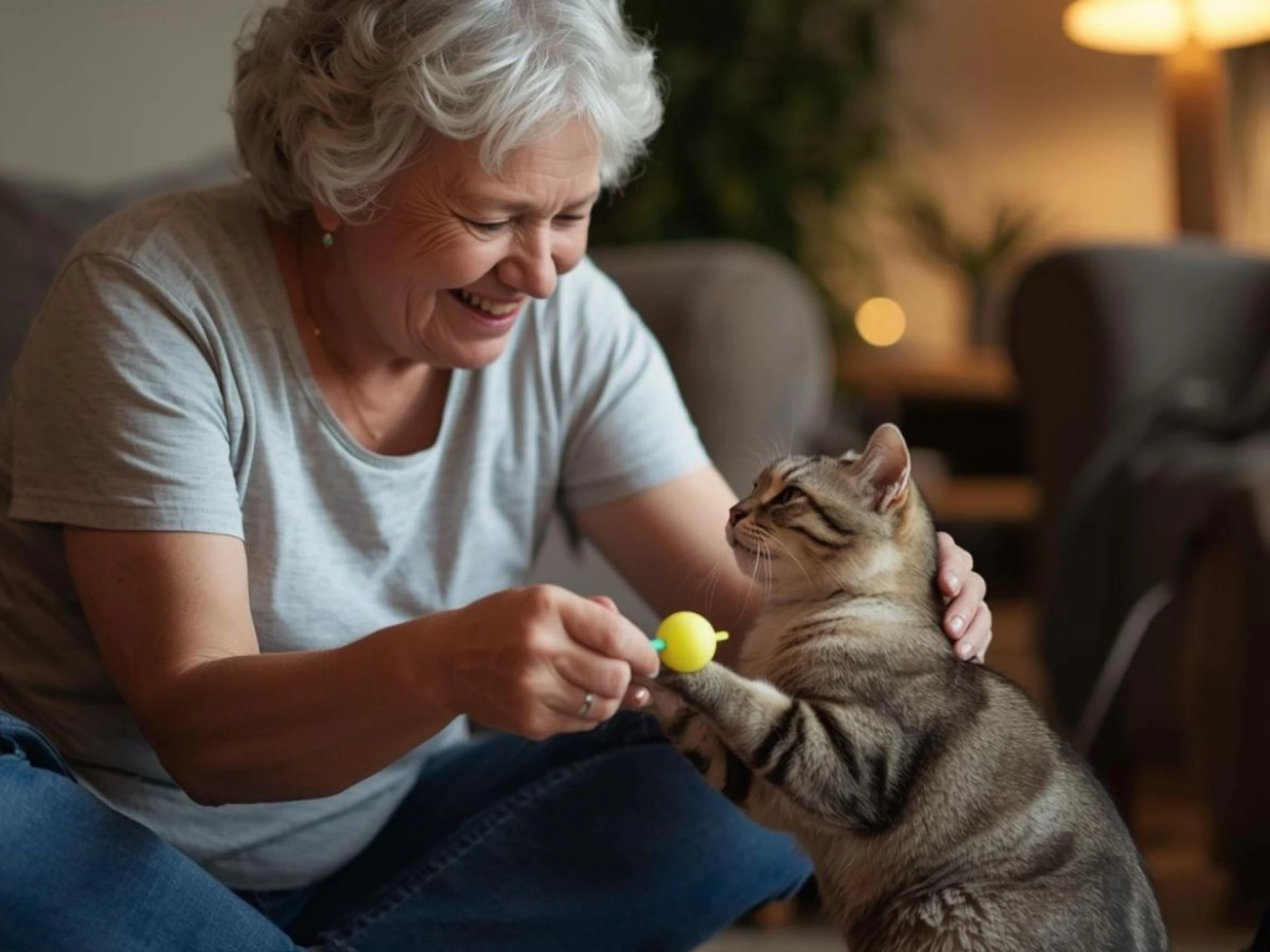
Use engaging toys like feather wands or catnip toys in Australia to trigger hunting instincts. Movement matters—make it unpredictable.
Step 2: Let your cat “catch” the toy
Don’t end play abruptly. Let them win. This completes the hunt cycle.
Step 3: Feed immediately after play
This mimics:
hunt → catch → eat → sleep
Result: a calmer, more relaxed cat at night.
Do Catnip Toys Help With Zoomies?
Interestingly, yes—but timing is key.
Catnip can:
- Increase play participation
- Encourage the cat to move about.
- Make things less boring
However:
- Use it during evening play sessions, not right before bed
- Rotate toys to keep interest high
You’ll find a wide range of enrichment options through platforms like an online cat shop, where toys are designed specifically for indoor stimulation.
When Should You Be Concerned About Zoomies?
Most of the time, zoomies are completely normal. But watch for unusual signs like:
- Sudden increase in frequency
- Signs of fear (flattened ears, hiding)
- Uncoordinated or frantic movement
These could point to stress or discomfort rather than play.
What’s the Best Way to Keep a Cat Calm at Night?
It’s not about stopping activity—it’s about redirecting it.
What Works Best:
- Scheduled play sessions (morning & evening)
- Rotating interactive toys every few days
- Combining physical + mental stimulation
What Doesn’t Work:
- Ignoring energy build-up
- Leaving the same toys out all day
- Expecting cats to match human schedules naturally
Conclusion: Zoomies Aren’t the Problem—Timing Is
Midnight zoomies aren’t your cat being “naughty.”
They’re your cat being… a cat. But with a little structure, you can shift that energy from 2 a.m.chaos → evening playtime.
Quick Action Checklist:
✔️ Add a 5–10 minute play session before dinner
✔️ Use engaging toys (rotate regularly)
✔️ Let your cat “catch” before ending play
✔️ Feed right after playtime
✔️ Avoid overstimulation right before bed
Your cat doesn’t need less energy—they need the right outlet at the right time. Get that balance right, and those midnight sprints might just turn into peaceful, uninterrupted sleep—for both of you.


























Sign in to leave a comment.