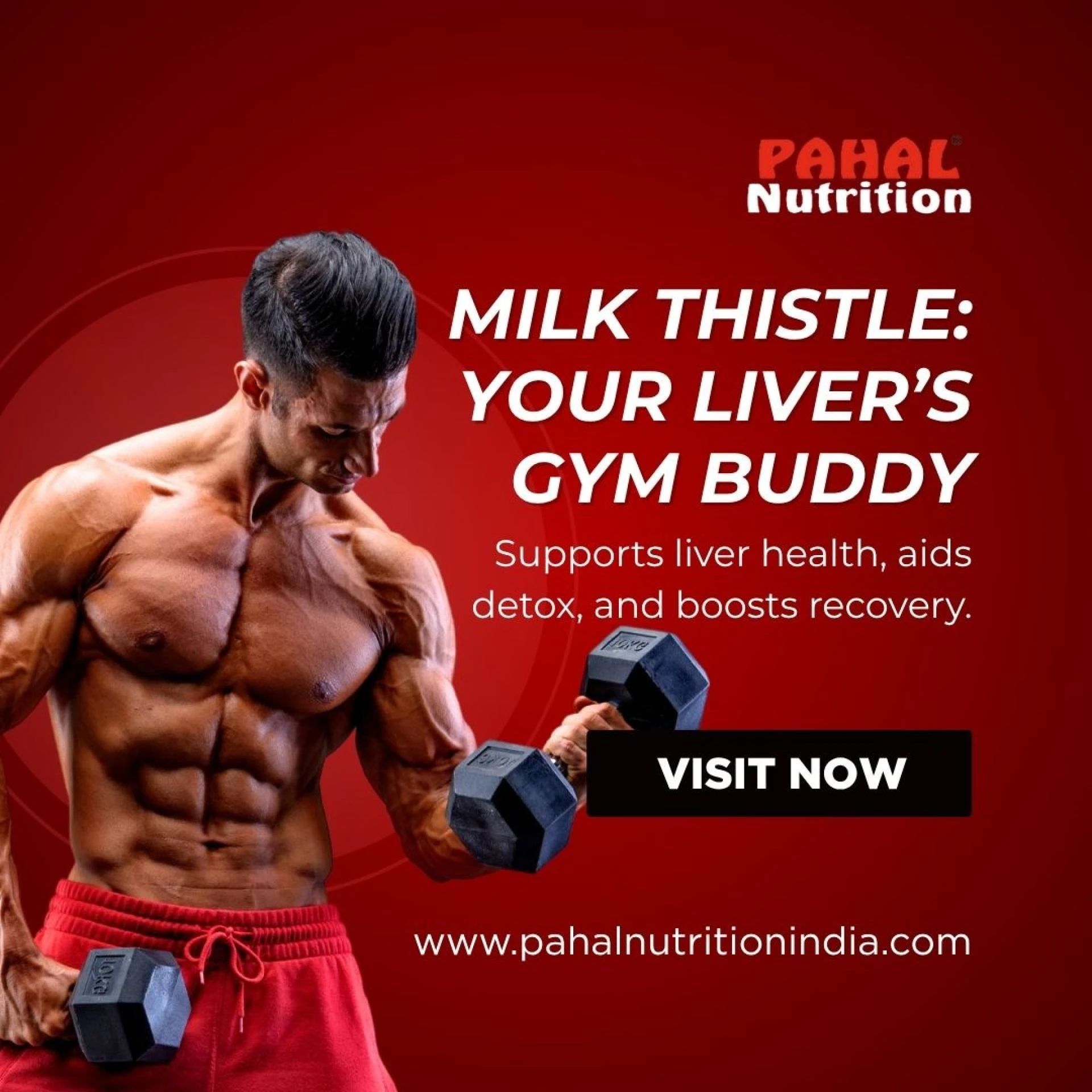

When most people think about fitness, they focus on muscle strength, endurance, and cardiovascular health. But there’s one organ that works tirelessly behind the scenes to keep the body performing at its best — the liver. For fitness enthusiasts, maintaining liver health is crucial, as it directly affects metabolism, nutrient absorption, and recovery. One natural supplement that often comes up in discussions about liver care is milk thistle.
In this article, we’ll explore what milk thistle is, how it benefits liver health, and why active individuals should pay attention to it.
Understanding the Liver’s Role in Fitness
The liver is the body’s primary detox organ, but its functions go far beyond just filtering toxins. For athletes and gym-goers, the liver:
- Processes nutrients from food and supplements
- Regulates blood sugar levels for sustained energy
- Breaks down old or damaged cells
- Produces bile for fat digestion
- Helps metabolize proteins for muscle repair
If the liver is overworked or damaged, it can slow down recovery, reduce endurance, and affect performance. This is why supporting liver function should be part of any well-rounded fitness plan.
What is Milk Thistle?
Milk thistle (Silybum marianum) is a flowering plant that has been used in herbal medicine for over 2,000 years. Its seeds contain silymarin, a group of plant compounds known for their antioxidant and anti-inflammatory properties.
Traditionally, milk thistle has been used to support liver health, improve digestion, and promote detoxification. Modern research supports its potential role in protecting liver cells from damage caused by toxins, alcohol, and certain medications.
How Milk Thistle Supports Liver Health
The liver can be stressed by intense exercise, high-protein diets, alcohol consumption, and environmental toxins. For fitness enthusiasts, especially those who use multiple supplements or train at high intensity, this stress can be even greater. Milk thistle may help in the following ways:
1. Antioxidant Protection
Exercise increases oxidative stress in the body. While this is a normal part of training, excessive oxidative damage can harm liver cells. Silymarin in milk thistle acts as an antioxidant, helping reduce free radical damage.
2. Anti-Inflammatory Effects
Inflammation in the liver can interfere with its ability to process nutrients efficiently. Milk thistle has anti-inflammatory properties that may help reduce liver inflammation, allowing it to function more effectively.
3. Regeneration of Liver Cells
Some studies suggest that silymarin can support the regeneration of damaged liver tissue. This is particularly important for athletes who might strain their liver through prolonged supplement use or intense training regimens.
4. Detoxification Support
The liver detoxifies harmful compounds, and milk thistle may enhance the body’s natural detox pathways. This could help clear out byproducts from intense workouts and high-protein diets.
Why Fitness Enthusiasts Should Care
For people who push their bodies regularly, liver health often gets overlooked. Here’s why milk thistle might be worth considering:
- High-Protein Diets – The liver plays a major role in processing proteins. Excessive intake can be demanding on the liver over time.
- Supplement Use – Pre-workouts, protein powders, fat burners, and recovery formulas often contain compounds the liver must process.
- Performance and Recovery – A healthy liver ensures efficient nutrient utilization, energy release, and toxin clearance, all of which influence recovery speed.
Pahal Nutrition emphasizes the importance of understanding not just what goes into your body, but how your body processes it. This is where liver-supporting strategies like milk thistle come in.
Scientific Evidence on Milk Thistle
While milk thistle has been studied for decades, results can vary depending on dosage, extract quality, and health status of the individual. Some notable findings include:
- A 2017 review found that milk thistle supplementation could reduce markers of liver damage in people with certain liver conditions.
- Animal studies have shown that silymarin may improve liver antioxidant levels and reduce inflammation.
- Evidence in healthy athletes is limited, but early studies suggest potential protective benefits against exercise-induced oxidative stress.
It’s important to note that milk thistle is not a “magic bullet” for liver health. It should be part of a broader approach that includes balanced nutrition, hydration, and lifestyle habits.
How to Use Milk Thistle Safely
For those considering milk thistle, here are some general guidelines:
- Dosage – Typical supplements contain 200–400 mg of standardized silymarin extract per day, but consult a healthcare provider for personalized recommendations.
- Form – Capsules, tablets, or tinctures are the most common. Look for products with standardized silymarin content for consistent potency.
- Timing – It can be taken with or without food, but absorption may improve when taken with a meal containing healthy fats.
- Safety – Milk thistle is generally safe for most people, but those with allergies to plants in the daisy family should be cautious.
Lifestyle Habits to Support Liver Health
Milk thistle works best when combined with healthy lifestyle choices. Here are a few to consider:
- Stay Hydrated – Adequate water intake helps the liver flush toxins efficiently.
- Limit Alcohol – Excessive alcohol is one of the leading causes of liver damage.
- Eat a Balanced Diet – Include fiber-rich vegetables, lean proteins, and healthy fats.
- Avoid Excessive Supplement Use – More isn’t always better. Stick to what your body truly needs.
- Get Regular Check-ups – Blood tests can monitor liver enzyme levels and overall health.
Pahal Nutrition often highlights the role of overall wellness practices in enhancing the benefits of any supplement. Milk thistle can be a valuable tool, but it should fit into a bigger picture of healthy living.
Common Myths About Milk Thistle
- “It can fix any liver problem.” – While helpful, milk thistle is not a cure-all and works best for mild to moderate support.
- “Healthy people don’t need it.” – Even without liver disease, those under high physical stress may benefit from extra support.
- “The more you take, the better.” – Over-supplementation won’t speed up results and could cause digestive discomfort.
Final Thoughts
For fitness enthusiasts, liver health is an often-overlooked aspect of performance and recovery. The liver processes everything from proteins and carbohydrates to supplements and environmental toxins. Over time, intense training, dietary choices, and lifestyle habits can place extra stress on this vital organ.
Milk thistle, with its antioxidant, anti-inflammatory, and cell-regenerative properties, offers a natural way to support liver function. While research continues, its long history of use and growing scientific interest make it worth considering as part of a well-rounded fitness and health strategy.
As Pahal Nutrition reminds us, optimal performance is not just about muscles and endurance — it’s also about the unseen systems that keep the body running. Supporting your liver could be the missing link in achieving your best fitness results.





























Sign in to leave a comment.