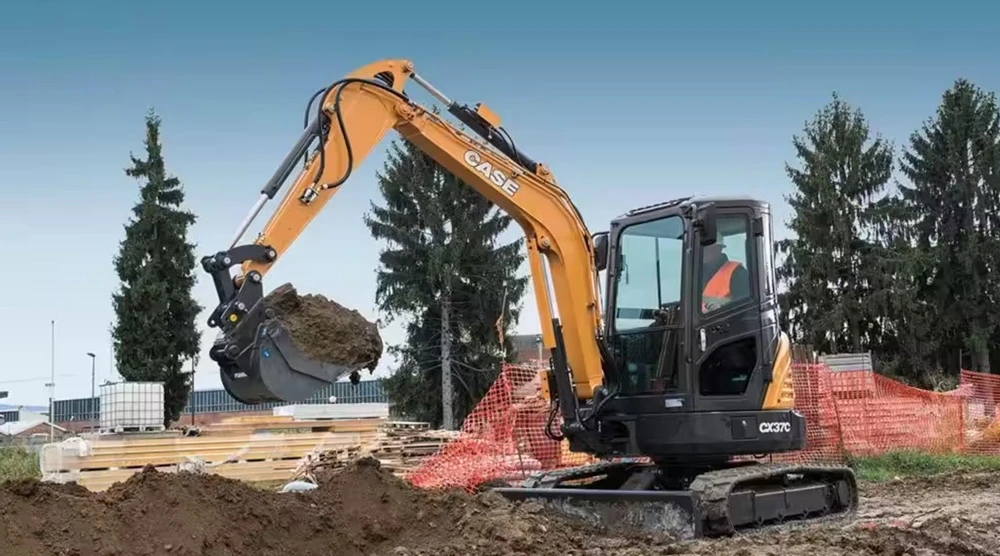
Mini excavators have become indispensable tools across construction, landscaping, utilities, agriculture, and home improvement sectors — especially for small-scale, precision-oriented projects. Compact yet powerful, these machines combine versatility, maneuverability, and efficiency, making them a smart choice for contractors, DIY enthusiasts, and property managers alike. In 2026, mini excavator rentals continue to offer cost-effective solutions for jobs where larger equipment is impractical or too expensive. This guide explores why mini excavator rentals are ideal, how they can save time and money, typical costs, rental considerations, use cases, and best practices.
What Is a Mini Excavator?
A mini excavator is a compact earth-moving machine designed for digging, trenching, lifting, demolition, and material handling in tight spaces. Unlike standard excavators, mini excavators typically weigh between 1 to 6 metric tons, making them easier to transport, easier to operate, and ideal for smaller job sites. Equipped with tracks or wheels, a cab, adjustable boom, bucket, and optional attachments, they are versatile workhorses for many project types.
Some key characteristics include:
- Compact Size: Smaller footprint than full-size excavators — perfect for yards, urban sites, and confined areas.
- Ease of Transport: Can be moved easily on a small trailer or light truck.
- Lower Operating Cost: Lower fuel consumption and rental rates than larger excavators.
- Attachments: Buckets, augers, hammers, and grapples expand functionality.
Why Rentals Make Sense for Small Projects
Renting mini excavators instead of buying them outright offers several distinct advantages for projects with limited scope, duration, or budget. Key benefits include:
Lower Upfront Cost
Purchasing heavy machinery requires significant capital, often costing tens of thousands of dollars for new units. For projects that last days or weeks, rentals eliminate this capital outlay and improve cash flow.
Shorter Commitment
Rentals allow you to access advanced equipment only when needed, avoiding the long-term burden of maintenance, storage, and depreciation.
Reduced Maintenance Hassle
Rental companies typically maintain equipment, relieving you from routine servicing, repairs, and inspections.
Flexibility
Need a different attachment or size later in the project? Renting lets you switch machines without selling old ones or buying new.
Access to Latest Models
Rental yards often stock newer excavators with advanced features, better fuel efficiency, and improved safety systems.
In short, mini excavator rentals give small-scale project teams big-machine power without big-machine commitments.
Typical Costs in 2026
Rental rates vary by location, machine size, duration, and service package, but here’s a general sense of current pricing in 2026:
Daily Rates
- Compact mini exc • 1–2 ton: $300–$500 per day
- Medium mini exc • 3–4 ton: $450–$700 per day
Weekly Rates
Weekly rentals usually reduce the daily cost:
- Compact unit: ~$1,500–$2,750
- Medium unit: ~$2,250–$3,500
Monthly Rates
Monthly rates provide the best value:
- Compact: ~$2,500–$4,000
- Medium: ~$3,500–$6,000+
Note: These rates reflect average U.S. and global market trends and can vary based on region, brand, transport, and included services. Additional charges such as delivery, operator, fuel, and insurance may apply.
Common Applications for Mini Excavators
Mini excavators shine in settings where large machinery either cannot fit or would be overkill. Here are the most common uses:
Landscaping & Yard Projects
From digging garden beds and removing trees to installing ponds and irrigation trenches, mini excavators reduce manual labor and speed up landscaping jobs.
Residential Construction
Perfect for foundation digging, site preparation, and utility line trenching where access is limited and precision is critical.
Utility Trenches
Mini excavators dig trenches for electrical, water, sewer, and communications lines without disrupting adjacent structures or paved surfaces.
Road & Pavement Work
They can break asphalt, remove debris, and dig sub-base layers for sidewalks and driveway repairs.
Demolition & Cleanup
Equipped with breakers or grapples, mini excavators handle small-scale demolition and site cleanup quickly and safely.
Agriculture & Farming
Clearing land, digging irrigation ditches, and moving feed or debris are common farming applications.
Choosing the Right Mini Excavator Rental
Selecting the right machine — and the right rental partner — can make or break your project’s success. Consider the following factors:
Size & Weight Class
Smaller machines are ideal for tight spaces but may struggle with heavy loads, while larger mini excavators offer more power but require more room.
Good rule of thumb: Match the machine size to the maximum depth and width requirements of your trench or excavation.
Attachments
Different attachments extend the machine’s capabilities:
- Buckets (standard, trenching & grading)
- Augers for drilling post holes
- Hydraulic breakers for concrete and rock
- Thumbs & grapples for debris handling
Always confirm attachment availability and compatibility with your project needs.
Accessibility & Site Conditions
Check job site access — steep slopes, soft ground, and uneven terrain may require tracks or stabilized units.
Rental Service Inclusions
When comparing quotes, clarify whether delivery, operator, fuel, insurance, and maintenance are included. Some rentals are basic (equipment only) — others are full-service.
Duration & Flexibility
Rental companies often offer discounted weekly and monthly packages. Estimate your project timeline realistically and choose the most cost-effective interval.
Safety, Training & Responsible Operation
Although compact, mini excavators are powerful and can cause serious injury if misused. Always follow these safety guidelines:
Certified Operator
If you or your crew lack experience, consider hiring a certified operator through the rental company.
Pre-Operation Inspection
Check for:
- Cracks, leaks, and wear
- Proper fluid levels
- Track tension
- Functioning safety systems
Personal Protective Equipment
Wear hard hats, steel-toe boots, eye protection, gloves, and high-visibility clothing.
Site Preparation
Clear the area of obstacles, mark utilities, and assess soil conditions before digging.
Safety not only protects workers but reduces liability on rented equipment — especially since damage fees can be significant.
Delivery, Pickup & Logistics
Transporting mini excavators is usually straightforward but requires planning:
Delivery Options
Many rental yards offer delivery and pickup services. For remote or difficult locations, confirm that the rental provider can access the site.
Transport Equipment
If transport is your responsibility, you may need:
- A trailer with adequate weight capacity
- Tow vehicle (e.g., pickup truck)
- Secure tie-downs and chains
Accurate measurements of machine size and weight ensure safe transport and avoid fines or delays.
Cost-Saving Tips
Maximize your mini excavator rental budget with these proven strategies:
Book Longer Terms
Weekly and monthly rates spread fixed costs more efficiently, reducing your per-day spend.
Shop Multiple Rentals
Get several detailed quotes and compare not just machine price, but inclusions and hidden fees.
Bundle Services
Some rental providers offer bundled discounts for equipment + attachments + operator.
Reliable Scheduling
Avoid unnecessary days on rental by syncing machine delivery with your project timeline.
Efficient Planning
Plan tasks in advance to minimize machine idle time — every “unused rental day” adds cost without productivity.
Final Thoughts: Are Mini Excavator Rentals Worth It?
For small-scale projects — whether residential landscaping, utility trenching, backyard renovations, or farm improvements — mini excavator rentals make financial and operational sense. They deliver the power of full-sized diggers in a compact, affordable package, and with rental flexibility, you only pay for what you need.
In 2026, as construction and home improvement activities continue to grow, mini excavator rentals stand out as a smart investment for efficiency, cost control, flexibility, and quality results. Whether you’re a seasoned contractor or a motivated DIYer, understanding rental options, costs, and best practices empowers you to complete projects faster and with greater precision.
























Sign in to leave a comment.