
Minimally Invasive Spine Surgery: A Patient’s Guide
If you’re living with chronic back or neck pain, the idea of undergoing surgery can feel overwhelming. Fortunately, advances in modern medicine have made it possible to address spinal issues with minimally invasive spine treatment—a safer, quicker, and less painful alternative to traditional open surgery.
In this guide, we'll walk you through everything you need to know about minimally invasive spine surgery, including what it is, who it’s for, and how interventional spine and pain specialists can help you regain control of your life.
What Is Minimally Invasive Spine Treatment?
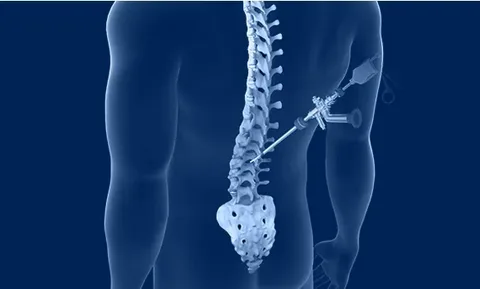
Minimally invasive spine treatment refers to surgical procedures that use small incisions, specialized instruments, and advanced imaging to target specific spinal conditions with minimal disruption to surrounding muscles and tissue. Compared to traditional spine surgery, this approach offers numerous benefits including:
- Smaller incisions
- Reduced blood loss
- Shorter hospital stays
- Faster recovery
- Less post-operative pain
Rather than cutting through large sections of muscle and tissue, minimally invasive techniques allow surgeons to access the spine through small portals using tubular retractors and microscopes or endoscopic tools.
Conditions Treated with Minimally Invasive Spine Surgery
Many common spinal conditions can be effectively treated using minimally invasive procedures, including:
- Herniated discs
- Spinal stenosis
- Degenerative disc disease
- Sciatica
- Spinal instability
- Compression fractures
If you’ve been told you need spine surgery—or if you’ve been suffering from long-term back or neck pain—it may be time to explore whether you're a candidate for minimally invasive options.
The Role of Interventional Spine and Pain Specialists
Before jumping into surgery, it’s important to consult with interventional spine and pain specialists who are trained in both non-surgical and surgical spine care. These experts evaluate your condition holistically and often begin with conservative treatments such as:
- Physical therapy
- Epidural steroid injections
- Nerve blocks
- Radiofrequency ablation
- Spinal cord stimulation
When conservative therapies are no longer effective, these specialists guide you toward the least invasive surgical option available, based on your individual anatomy and condition.
Common Minimally Invasive Procedures
Here are a few of the most widely performed minimally invasive spine surgeries:
1. Microdiscectomy
Used to treat herniated discs, a microdiscectomy removes the portion of the disc pressing on a nerve, using a tiny incision and microscope.
2. Minimally Invasive Laminectomy
This procedure relieves pressure on the spinal cord or nerves caused by spinal stenosis by removing part of the vertebral bone (lamina).
3. Percutaneous Spinal Fusion
In cases of spinal instability, small incisions are used to place rods and screws with guidance from real-time imaging, fusing the vertebrae to prevent movement and pain.
4. Vertebroplasty & Kyphoplasty
Used for compression fractures, these procedures involve injecting bone cement to stabilize and strengthen the vertebrae.
What to Expect Before, During, and After Surgery
Pre-Surgical Evaluation
Your specialist will conduct imaging tests (MRI, CT scan), review your medical history, and ensure conservative treatments have been exhausted.
During the Procedure
Depending on the complexity, the surgery can take anywhere from 1–3 hours. Many procedures are outpatient, meaning you go home the same day.
Recovery Time
Recovery is typically much faster than traditional spine surgery. Many patients return to light activity within a few days and resume normal routines in a few weeks.
Benefits of Minimally Invasive Spine Treatment
Choosing a minimally invasive approach comes with several advantages that are hard to overlook:
- Less trauma to muscles and soft tissues
- Lower risk of infection
- Minimal scarring
- Faster return to work and daily activities
- Reduced need for post-operative pain medications
Is Minimally Invasive Surgery Right for You?
Every patient is different. The best way to determine if you're a candidate for minimally invasive spine treatment is to consult a qualified interventional spine and pain specialist. Factors such as your overall health, spine condition, previous treatments, and lifestyle will all be considered.
Choosing the Right Spine Care Team
When it comes to spine health, experience matters. Look for a medical team that specializes in spine conditions and offers both non-surgical and surgical solutions. The best providers:
- Have board-certified interventional spine specialists
- Utilize advanced imaging and diagnostic tools
- Offer personalized treatment plans
- Provide comprehensive post-operative care and rehab support
Final Thoughts
Living with chronic back or neck pain doesn’t mean you have to live with the fear of invasive surgery. Minimally invasive spine treatment offers a path to pain relief with fewer risks, faster recovery, and outstanding outcomes—especially when guided by expert interventional spine and pain specialists.
If you’re ready to explore your options, take the first step toward recovery with a consultation. The right care can change your life—without turning it upside down.




























Sign in to leave a comment.