

When it comes to person-centred care, parents, caregivers, and educators are always seeking new ways to foster growth and joy in children with special needs.
A trending approach making waves in therapy and play environments is mirroring movement: a fun and engaging activity that encourages connection, builds confidence, and enhances motor skills.
In Melbourne’s western suburbs, where parents and allied health organisations are increasingly exploring innovative activities for children, mirroring movement is proving to be a valuable tool.
It is simple to implement, enjoyable for children, and works seamlessly within structured programs at a sensory play centre, NDIS-registered provider, or even at home.
What Is Mirroring Movement?
Mirroring movement is exactly what it sounds like: one person performs a movement, and the other imitates it like a reflection in the mirror. This activity may involve hand gestures, facial expressions, body movements, or playful dance routines.
For children with special needs, this simple game offers profound benefits:
· Motor skill development through repetition and practice
· Social connection occurs as children interact with peers, parents, or caregivers
· Self-awareness and confidence as children learn to express themselves physically
With structured guidance, these activities can be incorporated into therapy, classrooms, or school holiday sensory programs in Melbourne to create meaningful and fun learning opportunities.
Why Mirroring Activities Work for Children with Special Needs
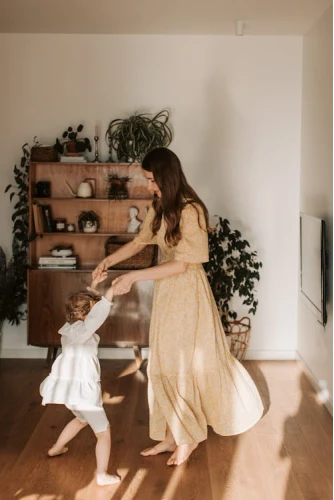
Looking for a new way to play? Our Mirroring Movement guide provides activities that are perfect for fostering joy, connection, and physical development in children with special needs.
Children with special needs often face challenges with motor coordination, communication, and social interaction.
Mirroring games provide a safe, playful space where these skills can be practised naturally.
· Engagement through fun: Movement-based play captures children’s attention and keeps them motivated.
· Accessibility: Activities can be modified to suit any ability, from small finger movements to whole-body exercises.
· Relationship building: Mirroring fosters trust and empathy, as both child and partner tune into each other’s actions.
· Inclusion: Whether in a respite sensory play program in Victoria or a classroom in Melbourne’s west, mirroring activities are inclusive and can be enjoyed by children with different abilities.
Step-by-Step Mirroring Activities
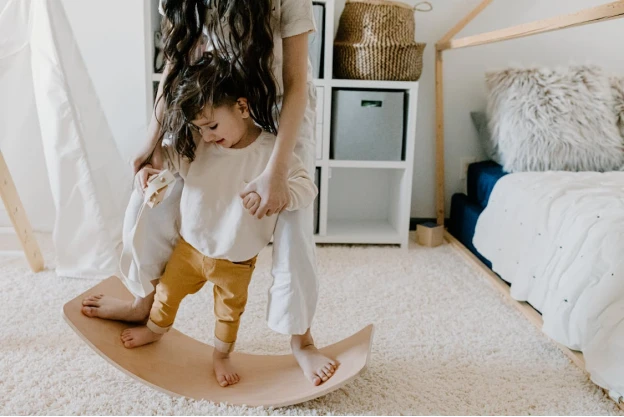
Ready to move? Mirroring Movement activities are designed to be inclusive and engaging for children of all abilities. Watch them shine as they play and learn!
Here are some easy-to-implement mirroring games that you can try at home, in therapy, or within an NDIS sensory play setting:
1. Face-to-Face Mirror
· Set-Up: Sit directly across from the child.
· How It Works: Begin with small, simple gestures: smiling, blinking, or moving your eyebrows. Encourage the child to copy your expressions. Then, switch roles and let the child lead.
· Benefits: Encourages focus, improves facial recognition, and promotes social-emotional bonding.
2. Hand Dance
· Set-Up: Hold your hands up at chest height, palms facing the child.
· How It Works: Move your fingers, make shapes, or wave your hands. Ask the child to mimic your movements. Slowly increase complexity by crossing hands or moving side to side.
· Benefits: Enhances fine motor control, hand-eye coordination, and bilateral movement.
3. Shadow Play
· Set-Up: Use a well-lit room or outdoor space with natural sunlight. Stand in front of the child so your shadow is visible on the ground or wall.
· How It Works: Perform movements like raising arms, jumping, or bending. The child mirrors your shadow.
· Benefits: Adds a fun twist, making the game feel magical and interactive, while encouraging gross motor skills.
4. Movement Storytelling
· Set-Up: Create a short story (e.g., “Let’s pretend we’re animals in the jungle”).
· How It Works: Act out the movements of each character (a lion roaring, a bird flapping wings, or a kangaroo hopping). Invite the child to mirror your actions.
· Benefits: Encourages imagination, language development, and body awareness. Perfect for group play in school holiday sensory programs.
5. Partner Dance
· Set-Up: Play music the child enjoys.
· How It Works: Dance slowly while the child mirrors your movements. Alternate roles to let them lead.
Benefits: Improves rhythm, coordination, and boosts confidence. Great for fostering joy and energy in a sensory play centre environment.
Adapting Mirroring Movement for Different Abilities
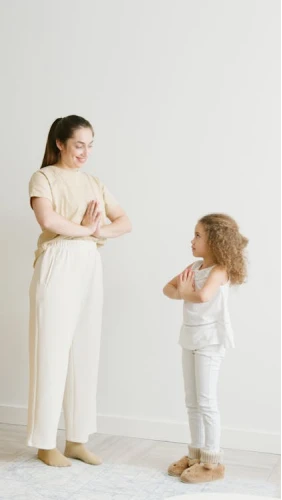
Mirroring Movement is a fun way to help children with special needs build motor skills and confidence!
One of the strengths of mirroring activities is their flexibility. For children with physical special needs, focus on small movements such as hand claps or finger wiggles. For children with communication challenges, incorporate sign language or gestures into the game.
Educators and allied health professionals across Melbourne’s western suburbs often use these adaptable approaches within NDIS-approved play programs, ensuring every child feels included and supported.
How Parents and Caregivers Can Integrate Mirroring at Home
· Keep sessions short: Start with 5–10 minutes to maintain focus.
· Encourage role reversal: Allow the child to lead, building self-esteem.
· Incorporate daily routines: Try mirroring during songs, meal prep, or before bedtime.
· Celebrate effort, not perfection: Applaud attempts, even if movements are approximate.
When used at home alongside structured sessions at an NDIS sensory play facility, these activities reinforce skills and foster stronger parent-child bonds.
Community Benefits in Melbourne’s Western Suburbs
With more families turning to creative special needs support, mirroring activities are becoming a highlight of respite sensory play in Victoria. Parents in Melbourne’s west are discovering how these activities can complement therapy, school programs, and recreational play.
Centres that integrate mirroring into their programs not only promote developmental progress but also build supportive communities where children with special needs can thrive socially and emotionally.
At Sensory Play Centre, the team understands the importance of fun, inclusive, and meaningful activities for children with special needs. Through their NDIS sensory play, respite sensory play, and school holiday sensory programs in Melbourne, they offer families a safe, engaging, and supportive environment in the western suburbs.
If you’re a parent, caregiver, educator, or allied health professional looking for an NDIS-approved play centre that truly values person-centred care, visit them today.
Discover how Sensory Play Centre can help your child grow, connect, and shine through the power of play. Connect with them today.




























Sign in to leave a comment.