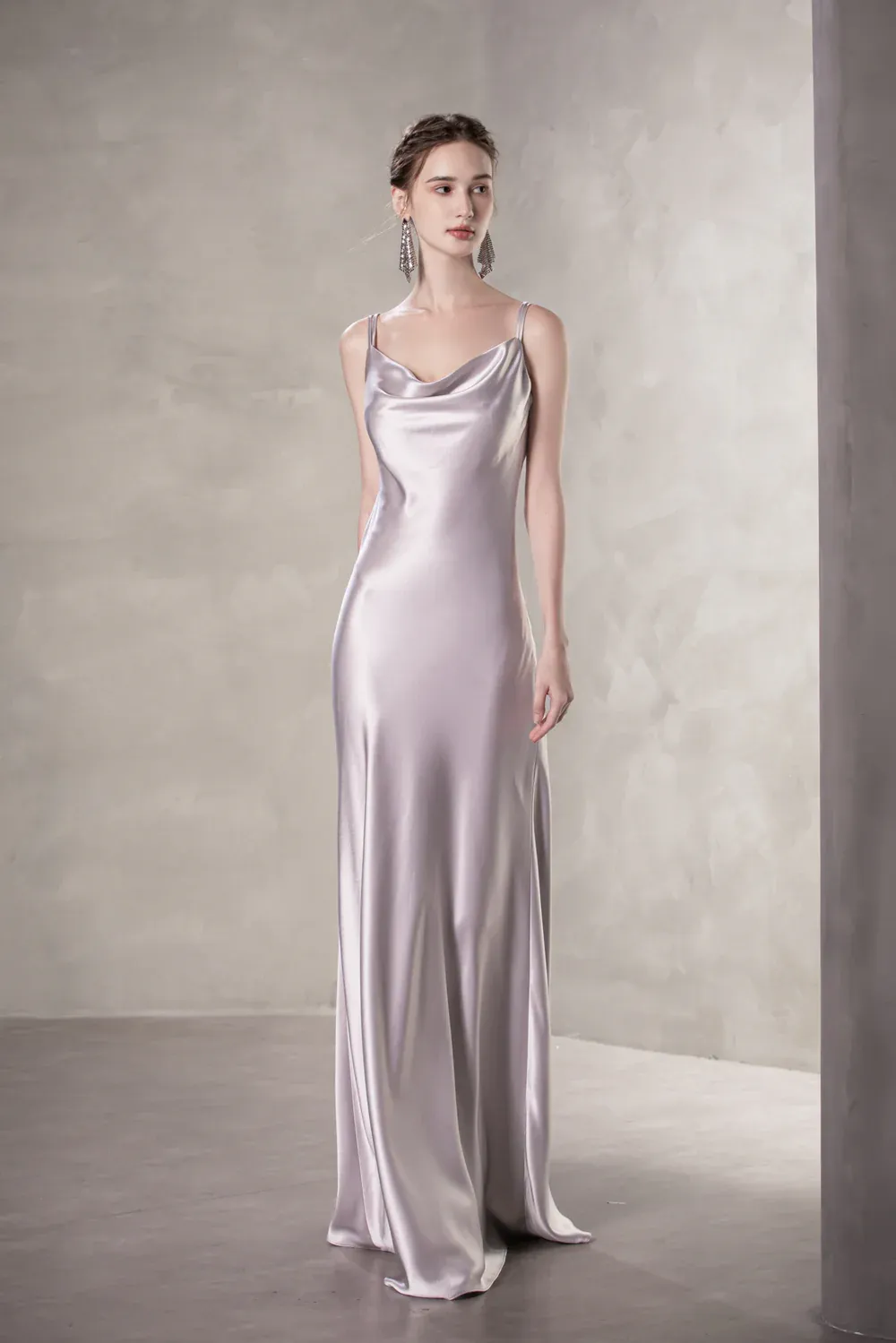

The mismatched bridesmaid look has been popular long enough that it's no longer considered unconventional — but it's still easy to get wrong. Done well, it looks considered and relaxed, and photographs with a natural, editorial quality that identical dresses don't always produce. Done carelessly, it looks like the bridal party couldn't agree on anything and gave up.
The difference between the two comes down to how much structure is built into the apparent freedom. Here's how to set that up.
Start With One Fixed Element
The most reliable way to make mismatched bridesmaid dresses look cohesive is to fix one element across the whole party and let everything else vary. That anchor is what tells the eye that the variation is deliberate rather than accidental.
The three most common fixed elements are:
Same colour, different styles. Every bridesmaid wears the same shade — dusty rose, sage green, champagne, navy — but in silhouettes and necklines of their own choosing. This is the most flexible approach and the one that tends to suit larger bridal parties best, because the colour unity is strong enough to hold the group together visually regardless of how different the individual dresses are.
Same style, different colours. Every bridesmaid wears the same silhouette — the same A-line cut, the same midi length, the same neckline — in different shades within a palette. This approach requires more coordination up front to define the acceptable colour range, but the visual result is very precise and works particularly well in editorial-style photography.
Same fabric, different everything else. Every bridesmaid wears the same fabric — chiffon, satin, crepe — which creates a textural consistency even when silhouettes and colours vary. This is the least structured approach and requires the most trust in individual bridesmaids' choices, but can produce a beautifully organic result when the palette and aesthetic are already cohesive.
Pick one anchor and hold it firmly. Trying to vary everything simultaneously is what produces the accidental look.
Define the Palette Before Anyone Shops
Whether you're going same-colour-different-styles or same-palette-different-shades, the colour decision needs to happen before anyone looks at dresses — not during the shopping process.
This matters because colour names are unreliable. One retailer's "dusty rose" is another's "blush" is another's "antique pink." If four bridesmaids are shopping independently for dresses described as the same colour, the result will rarely match in person.
The practical fix is to either order from the same retailer (which guarantees dye lot consistency) or to request fabric swatches before any purchases are made and compare them physically. AND Bride provides colour and fabric swatches for exactly this reason — seeing how different shades interact in the same fabric prevents the most common colour coordination problem before it happens.
If you're going with a palette approach rather than a single colour, define the palette in visual terms — a mood board, a set of reference images — so every bridesmaid has the same reference point when choosing.
Set Clear Guidelines, Not a Strict Brief
The mismatched approach works best when bridesmaids feel some genuine ownership over their choice, within a framework the bride has set. That means being specific enough that the group looks intentional, but not so specific that the variation is meaningless.
Useful parameters to set:
- Length: Floor-length only, or midi and floor-length, or any length. Mixing a mini with floor-length dresses rarely reads well in photos.
- Neckline: Open or structured. A strapless dress next to a high-neck dress can look disjointed; keeping necklines broadly similar maintains visual flow.
- Fabric weight: Light and flowing, or structured. Mixing chiffon with heavy satin creates an unintentional contrast in texture.
- Colour range: A specific shade, or a defined palette with clear boundaries.
Give these guidelines to your bridesmaids before they shop, and be clear about which elements are fixed and which are genuinely flexible. The more clearly you communicate the framework, the more confidently bridesmaids can make their own choices within it.
How Mismatched Dresses Photograph
One of the reasons the mismatched approach has become popular is how it reads in photography — particularly in candid and editorial-style wedding photos.
When every bridesmaid wears the same dress, group photos have a uniform quality that can feel formal and static. When dresses vary within a cohesive palette or silhouette, the group has more visual texture and the individual personalities of each bridesmaid come through more naturally. Movement shots — walking, laughing, the ceremony procession — tend to look more organic when there's variation in the dresses.
The caveat is that this effect depends on the variation being controlled. A palette that's too broad or silhouettes that conflict too strongly will read as disorganised in photos, not organic. The tighter the framework, the better the photography result.
What to Watch Out For
Shade variation within the same colour. Even when every bridesmaid orders the same colour from the same retailer, dye lots can vary. This is most visible in photography under mixed lighting. Ordering from a single collection and confirming dye lot consistency where possible reduces this risk.
Height and silhouette interaction. When bridesmaids are choosing their own silhouettes, they should be aware of how their choice reads relative to their height. A floor-length dress that pools slightly on a shorter bridesmaid and a perfectly hemmed floor-length on a taller one creates a visual inconsistency that's more noticeable in photos than in person. Alterations should be factored into the timeline for any bridesmaid choosing a full-length style.
Accessories pulling in different directions. When dresses already vary, accessories need to be more consistent than they might otherwise be. Giving the whole party a simple guideline — gold jewellery only, or hair up — keeps the mismatched element clearly on the dress rather than spreading to the whole look.
AND Bride's bridesmaid dress collection includes styles available in multiple colourways, with fabric swatches available to help coordinate colour across the bridal party before ordering.



















Sign in to leave a comment.