
Losing a tooth can affect daily comfort more than many people expect. Eating becomes awkward, speech may feel less clear, and smiling can feel restrained.
Over time, gaps may also place pressure on nearby teeth and gums. This is why many adults look for a solution that feels steady and natural. Cardiff dental implants are often chosen because they aim to replace missing teeth in a way that supports both oral health and everyday confidence.
What dental implants actually are
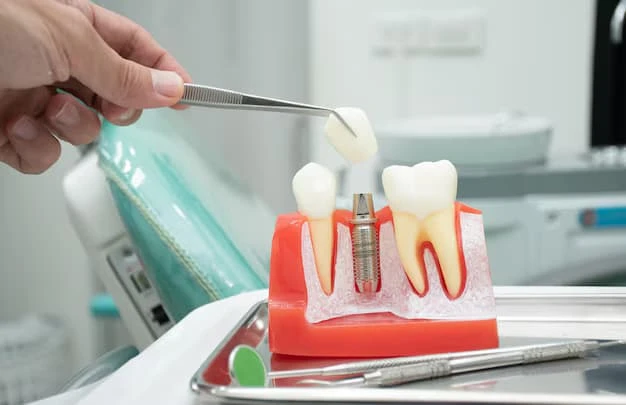
Dental implants are small titanium posts placed carefully into the jawbone. They act as a replacement root for a missing tooth. After healing, a crown is attached on top and shaped to suit your bite and smile.
Because implants sit within the bone, they provide support similar to natural teeth. For many patients, Cardiff dental implants feel secure and familiar once the healing phase is complete.
Why replacing missing teeth matters
A missing tooth is more than a visual issue. It can quietly affect the balance and health of your entire mouth if left untreated.
- Teeth can shift into the space, leading to uneven bite pressure and discomfort when chewing.
- Cleaning becomes more difficult, increasing the risk of decay and gum problems in surrounding teeth.
- Jawbone support may reduce over time, as the bone no longer receives stimulation from a tooth root.
- Gum health can suffer, making nearby teeth more vulnerable to long-term issues.
Replacing missing teeth early helps reduce these risks. Cardiff dental implants support the jaw and help maintain natural spacing, which can protect overall oral health and restore everyday comfort.
How implants support daily comfort
Comfort is one of the main reasons people consider implants. Once healed, they function like natural teeth. There is no movement when chewing or speaking. Patients can enjoy a wider range of foods without worry.
Because implants stay fixed in place, they often feel easier to live with than removable options. This everyday ease is a key benefit of Cardiff dental implants.
The treatment journey explained
Dental implant treatment follows a clear and carefully planned path. Each stage is designed to support healing, comfort, and long-term success.
- Initial assessment and planning, where gum health, bone levels, and overall oral condition are reviewed in detail.
- Precise implant placement into the jaw using controlled techniques to support stability and healing.
- Healing and bonding phase, lasting several months, as the bone naturally joins with the implant.
- Final crown fitting, with a custom-made tooth shaped to suit your bite and smile.
From start to finish, the process is structured and personal. Cardiff dental implants are planned step by step to ensure they fit comfortably and support natural function for everyday life.
Managing comfort during treatment
Many people worry about discomfort, but implant placement is usually calmer than expected. Local anaesthetic helps keep the area comfortable. After treatment, mild swelling or soreness may occur for a short time. This often settles with simple aftercare.
Clear guidance helps patients recover smoothly. With Cardiff dental implants, comfort and careful handling are central to the process from start to finish.
Long-term care and maintenance
Implants are designed to last, but they still need care. Daily brushing and flossing help protect the gums around the implant.
Regular dental visits allow early checks for any changes. While implants cannot decay, gum health remains important. With steady care, dental implants can remain strong and comfortable for many years, supporting long-term oral stability.
Suitability for dental implants
Dental implants can be a suitable option for many adults, but careful assessment is always important to support safe and predictable outcomes.
- Healthy gums help create a stable foundation for implant placement.
- Adequate bone levels support the implant and allow it to bond securely with the jaw.
- Medical history review ensures treatment is planned with overall health in mind.
- Alternative options may still be discussed if some bone loss has occurred.
Open conversations help patients understand what is possible and what to expect. For those who meet the criteria, Cardiff dental implants can offer a dependable and long-lasting solution for tooth loss.
Implants compared with other options
When choosing how to replace missing teeth, it helps to understand how implants differ from traditional solutions.
- Bridges often rely on nearby teeth, which may need shaping to provide support.
- Dentures rest on the gums and can sometimes move or feel less stable during eating or speaking.
- Implants stand independently within the jaw, without placing pressure on surrounding teeth.
- Natural tooth structure is preserved, as neighbouring teeth remain untouched.
This independence is a key advantage. Many patients choose Cardiff dental implants because they offer a steady, long-term approach while supporting the health of the remaining teeth.
Confidence beyond function
Replacing missing teeth is not only about chewing. Confidence plays a large role in wellbeing. Feeling comfortable when smiling or speaking can change how people interact socially.
Many patients report feeling more relaxed after treatment. This emotional benefit is often just as important as physical comfort. Dental implants can help restore both function and self-assurance.
Final thoughts
Living with missing teeth can quietly influence daily comfort, confidence, and oral health. Gaps may affect how you eat, speak, and smile, often without immediate notice. Modern implant treatment offers a reliable way to restore balance within the mouth while supporting natural function.
With careful planning, steady healing, and ongoing care, implants can remain secure for many years. They are designed to feel natural and fit seamlessly into everyday life.
For those looking for a long-term approach, Cardiff dental implants support both comfort and oral stability. They offer an option that deserves thoughtful consideration.































Sign in to leave a comment.