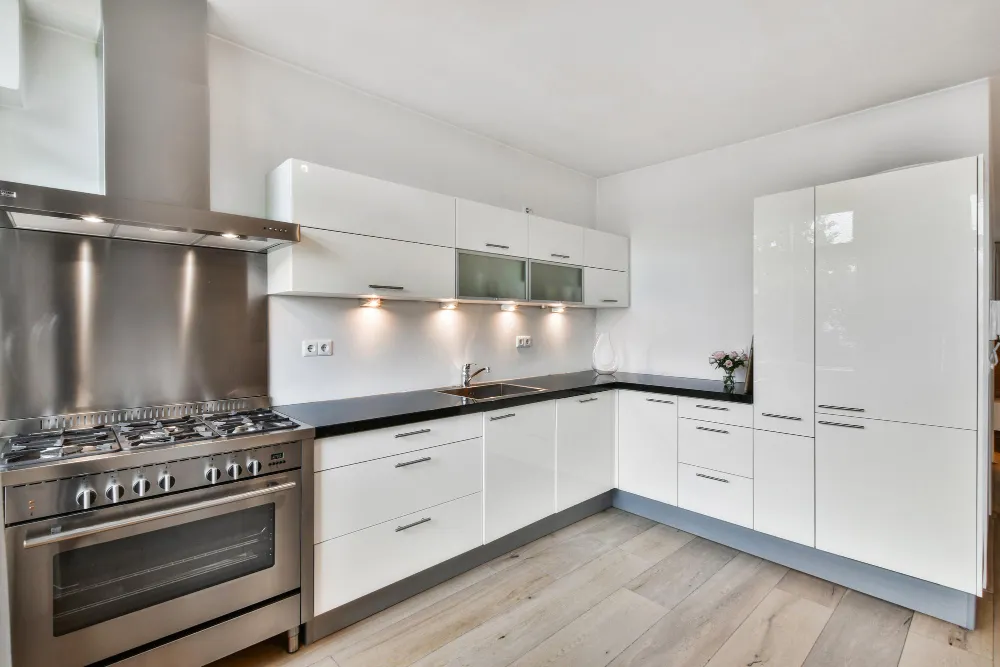

Designing kitchen cabinets is one of the most important steps in creating a functional and visually appealing kitchen. Cabinets are not just for storage—they define the layout, influence workflow, and set the tone for the entire space. However, many homeowners make critical mistakes during the design process that can lead to frustration, wasted space, and costly revisions.
If you're planning a kitchen upgrade, especially in a fast-paced and space-conscious market like kitchen cabinets in New York City, avoiding these common pitfalls will help you achieve a smarter, more efficient design.
1. Ignoring Kitchen Workflow
One of the biggest mistakes is focusing only on aesthetics while ignoring functionality. A beautiful kitchen is useless if it disrupts your daily routine.
The classic “kitchen work triangle”—connecting the sink, stove, and refrigerator—still matters. Poor cabinet placement can block movement or make essential items hard to reach.
Avoid this by:
- Ensuring clear pathways between work zones
- Placing frequently used items within easy reach
- Designing cabinets based on how you actually use your kitchen
2. Not Maximizing Storage Space
Many homeowners underestimate how much storage they need. This leads to cluttered countertops and inefficient use of space.
Common storage mistakes include:
- Not using vertical space
- Installing too few cabinets
- Overlooking corner storage solutions
Smart solutions:
- Extend cabinets to the ceiling
- Use pull-out shelves and organizers
- Incorporate lazy Susans or corner drawers
In compact layouts like those often seen with kitchen cabinets in New York City, maximizing every inch of space is essential.
3. Choosing Style Over Durability
Trendy cabinet designs can be appealing, but not all materials and finishes hold up well over time.
Mistakes include:
- Selecting low-quality materials to save money
- Choosing finishes that show fingerprints or scratches easily
- Ignoring moisture resistance
Better approach:
- Invest in solid wood or high-quality engineered materials
- Choose finishes that are easy to clean and maintain
- Consider durability for high-use areas
4. Poor Lighting Integration
Cabinets can block light or create shadows if lighting isn’t planned properly. This makes food prep difficult and affects the overall ambiance.
Common issues:
- No under-cabinet lighting
- Overhead lighting placed incorrectly
- Dark cabinet colors in poorly lit kitchens
Fix it by:
- Adding LED under-cabinet lights
- Layering task, ambient, and accent lighting
- Choosing lighter cabinet tones if natural light is limited
5. Ignoring Hardware Details
Cabinet hardware might seem like a small detail, but it plays a big role in both function and style.
Mistakes include:
- Choosing handles that are uncomfortable to use
- Picking styles that clash with the overall design
- Skipping hardware altogether on certain cabinets
Tips:
- Test handles and knobs for comfort
- Match hardware finishes with other kitchen elements
- Keep consistency throughout the space
6. Not Planning for Appliances
Appliances and cabinets must work together seamlessly. Failing to plan for appliance dimensions can result in awkward gaps or cramped spaces.
Common problems:
- Cabinets that don’t align with appliance sizes
- Lack of space for opening doors fully
- Poor ventilation planning
What to do:
- Measure all appliances before finalizing cabinet design
- Leave enough clearance for doors and drawers
- Consider built-in or integrated appliances for a cleaner look
7. Overlooking Cabinet Height and Depth
Standard cabinet sizes don’t always work for every homeowner. Ignoring ergonomics can lead to discomfort and inefficiency.
Mistakes include:
- Cabinets that are too high or too low
- Shelves that are too deep to access easily
- Not customizing for user height
Better design choices:
- Adjust cabinet height to suit your needs
- Use pull-down shelves for upper cabinets
- Opt for varying depths to improve accessibility
8. Skipping Soft-Close Features
Many people overlook soft-close hinges and drawer slides to cut costs, but this often leads to regret.
Without soft-close:
- Cabinets slam shut
- Wear and tear increases
- Noise becomes an issue
Solution:
Invest in soft-close mechanisms for a smoother, quieter, and more durable kitchen experience.
9. Poor Color and Finish Choices
Cabinet color has a huge impact on the overall look of your kitchen. Choosing the wrong color can make the space feel smaller, darker, or outdated.
Common mistakes:
- Following trends without considering long-term appeal
- Choosing colors that clash with countertops or flooring
- Going too dark in small spaces
Tips:
- Stick to timeless colors like white, gray, or natural wood
- Test samples in your kitchen lighting
- Balance bold colors with neutral elements
10. Not Thinking About Future Needs
Your kitchen should not only meet your current needs but also adapt to future changes.
Mistakes include:
- Designing only for current lifestyle
- Ignoring resale value
- Not considering family growth or aging in place
Smart planning:
- Include flexible storage solutions
- Choose designs with broad appeal
- Think about long-term usability
This is especially important in competitive housing markets like kitchen cabinets in New York City, where resale value can be significantly impacted by kitchen design.
11. DIY Without Proper Planning
While DIY projects can save money, poorly planned cabinet installations often lead to costly fixes.
Common DIY mistakes:
- Incorrect measurements
- Improper installation
- Lack of professional tools
Recommendation:
If you’re not experienced, consult a professional designer or contractor to avoid expensive errors.
12. Ignoring Ventilation and Moisture Control
Kitchens are high-moisture environments. Without proper ventilation, cabinets can warp, peel, or develop mold.
Mistakes include:
- Not installing a proper range hood
- Using materials that aren’t moisture-resistant
- Poor airflow design
Solution:
- Ensure proper ventilation systems
- Choose moisture-resistant finishes
- Maintain good air circulation
Final Thoughts
Designing kitchen cabinets requires a balance between style, functionality, and long-term planning. Avoiding these common mistakes can save you time, money, and frustration while ensuring your kitchen works as beautifully as it looks.
From optimizing storage and workflow to selecting durable materials and planning for the future, every decision plays a role in the final outcome. Whether you're remodeling a compact apartment or a spacious home, thoughtful cabinet design is key to creating a kitchen that truly meets your needs.
By staying mindful of these pitfalls, you’ll be better prepared to design a space that is efficient, stylish, and built to last.






















Sign in to leave a comment.