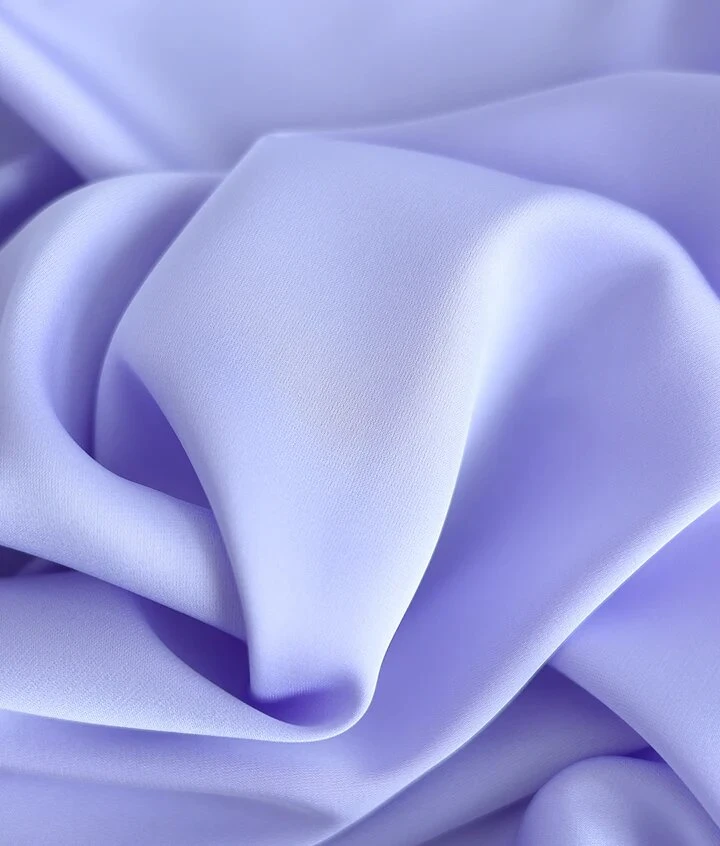

Satin is one of the most popular fabrics used in fashion and apparel industry. Its smooth and lustrous texture makes it a top choice for creating elegant dresses, gowns, shirts and more. With the growing demand, satin fabric is now easily available in the Indian market through both domestic and international suppliers. While Imported Satin offers a wide variety of designs, patterns and colors, it also comes with certain risks if not purchased carefully. This article discusses some common mistakes to avoid while buying imported satin in India.
1. Not Checking Fabric Composition
One of the major mistakes that buyers make while purchasing imported satin fabric is not checking the fabric composition properly. Satin fabric is traditionally made from natural silk fibers. However, nowadays many international suppliers use cheaper synthetic fibers like polyester to produce satin fabrics and export them. These synthetic satin fabrics may look similar to pure silk satin visually but they lack the qualities of natural silk.
Synthetic satins have inferior breathability when compared to silk. As they are made from plastic fibers, they do not absorb sweat or allow air to pass through like silk fabric. This makes synthetic satin uncomfortable to wear in hot weather. Synthetic satins also do not last long and lose their shine and texture after multiple washes. The plastic fibers get damaged with washing and wear and tear. On the other hand, silk satin becomes even more beautiful with age.
It is therefore crucial for buyers to carefully read the fabric labels and composition details provided by suppliers. The composition should clearly state the fiber content along with its percentage. Buyers must opt for 100% silk satin if their budget permits to get the best quality. If the budget is low, they can choose a satin with higher silk blend over completely synthetic varieties. Suppliers must voluntarily disclose the accurate fabric composition upfront to help buyers make informed choices. Not doing adequate composition check can result in buyers ending up with inferior quality synthetic satin instead of premium natural silk satin.
2. Ignoring Fabric Weight
The weight of the satin fabric plays a big role in deciding its quality, drape and suitability. Lighter weight satin fabrics below 120 GSM are cheaper but not suitable for formal clothing. Such light fabrics lack structure and shine and do not do justice to elegant outfits. They also have shorter lifespan. On the flipside, very heavy satin over 180 GSM is too stiff and thick.
The ideal weight range for apparel satin is 140 to 160 GSM. Satin fabrics in this moderate weight category have the perfect balance of drape, shine and durability. However, buyers often ignore checking the weight specifications from the supplier. This can cause disappointments. To avoid this, it is important that one confirms the weight details before the purchase. This helps in buying satin fabrics with appropriate weight that is suitable for the intended garments and ensures a good fit.
3. Not Inspecting Fabric in Person
While online shopping offers convenience and variety, it is always better to physically inspect imported satin fabric before buying, if possible. Seeing and feeling the actual material allows one to check for flaws, imperfections and get an accurate idea about sheen, hand-feel and weight. Things like uneven dyeing, loose threads or weaving cannot be identified through pictures alone. Make sure to visit reliable brick-and-mortar stores stocking imported fabrics or ask suppliers to provide physical swatches. This minimizes post-purchase dissatisfaction which may not be possible to return for international orders.
4. Ignoring Fabric Trial and Draping
Another mistake is finalizing imported satin without conducting a trial or draping it on a mannequin or person. Fabric drape and fall directly influence the overall look of the garment. While satin has a natural drape, quality varies a lot between materials. Cheaper satin may hang or flow differently than premium varieties. It is best to take some fabric swatches for trials before bulk production. This helps identify any issues regarding sheen, wrinkles or undesired gathers which are difficult to fix at the sewing stage. An informed choice can then be made basis the fabric behavior during mock fittings.
5. Not Confirming Delivery Timelines
When purchasing imported satin fabric online, it's imperative to get upfront confirmation of reasonable delivery schedules. Although websites may specify typical shipping times, real transit times may differ based on order amounts, regions, and unanticipated delays such as customs clearance. Sincere communication about anticipated delivery windows guarantees that purchasers can easily and conveniently organize production schedules in advance. It is preferable to get written confirmation of the supplier's delivery promises from them as opposed to making snap decisions based just on projected delivery dates. By doing this, needless concerns about fabric supply delays affecting company deadlines are avoided.
6. Not Checking for Durability
The longevity and durability of imported satin also depends greatly on fabric construction quality and fiber content. While synthetic satin is usually cheaper, it lacks in durability when compared to silk. It is prone to pilling, fading and loses sheen faster after multiple washes. Always check supplier credentials and reviews to understand the expected fabric durability. Factors like thread count, weaving tightness and fiber thickness can significantly impact the number of washes or years of use one can expect from the satin material. Opting for a slightly costlier but long-lasting satin saves expenses in the long run through fewer replacements.
7. Not Considering After-sales Support
A reliable supplier should provide good after-sales support for imported fabrics sold. However, this aspect is often ignored by buyers. It is important to understand return/replacement policies, warranty periods, methods of addressing defects clearly from the supplier before making the purchase. International orders have additional logistical challenges compared to domestic shopping. Suppliers need to efficiently handle issues like fabric quality disputes, delays, customs problems if they arise. Checking supplier ratings and testimonials helps validate their after-sales service standards. This offers much-needed purchase assurance for expensive imported satin fabric orders.
Conclusion
When buying satin designer fabric for dresses from overseas vendors for clothing and fashion purposes, it is helpful to adopt the simple precautions mentioned above to help steer clear of typical blunders. Verifying fabric characteristics, trial fits, and post-purchase assistance enables customers to make well-informed decisions that meet their specific needs. This guarantees a positive shopping experience with high-quality, precisely-described imported satin fabric delivered on schedule.























Sign in to leave a comment.