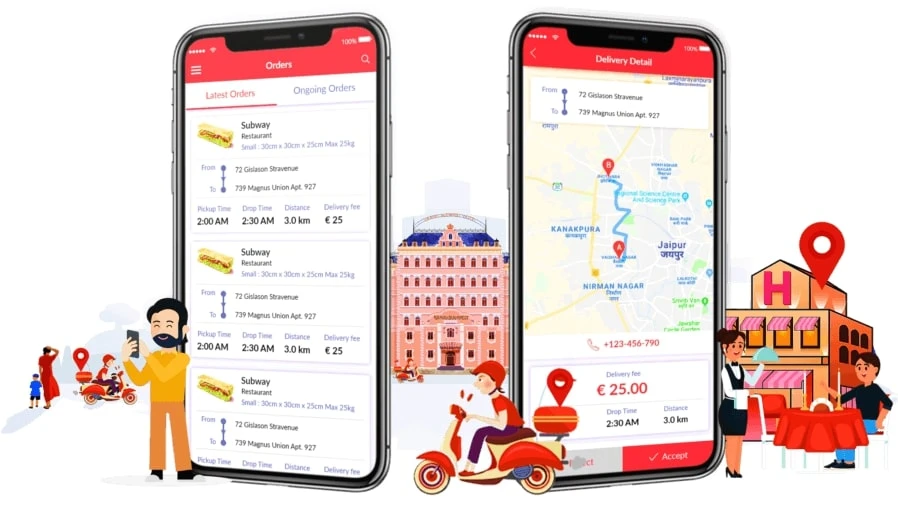

Mobile applications have become a critical growth tool for startups, enterprises, and service providers. However, before starting a project, businesses often struggle to estimate how much an app will cost, how long it will take, and what factors influence these variables. A clear understanding of budgeting, timelines, and decision-making elements helps avoid unexpected expenses and delays. This article provides a detailed breakdown to help businesses plan their app projects more effectively, from concept to launch.
Understanding Mobile App Development Costs
The cost of building a mobile app can vary widely depending on the app’s purpose, complexity, and technical requirements. A simple app with basic features such as user login and static content will naturally cost less than an advanced app with real-time data, payment gateways, or third-party integrations.
Major cost components include:
- UI/UX design
- Frontend and backend development
- API and third-party integrations
- Testing and quality assurance
- Deployment and post-launch maintenance
When planning Mobile App Development, it is important to look beyond initial development and consider long-term expenses such as updates, scalability, and server costs.
App Complexity and Feature Set
One of the biggest factors affecting cost and timeline is app complexity. Apps are generally categorized into three levels:
- Basic apps: Simple functionality, minimal screens, and limited user interaction
- Mid-level apps: User accounts, dashboards, APIs, and basic analytics
- Advanced apps: Real-time features, AI integration, payment systems, and high scalability
As feature complexity increases, so do development hours, testing requirements, and overall investment.
Design Requirements and User Experience
Design is not just about visual appeal; it directly impacts usability and retention. Custom animations, advanced navigation flows, and brand-specific design elements require additional time and skilled designers.
Apps with a strong focus on user experience often perform better in the market, but they also require a larger design budget. Businesses should balance creativity with practicality to control costs without compromising usability.
Mobile App Development Timeline Explained
The development timeline depends largely on scope and planning. While each project is unique, most apps follow a structured development lifecycle.
A typical timeline includes:
- Requirement analysis and planning: 1–2 weeks
- UI/UX design: 2–4 weeks
- Development phase: 8–16 weeks
- Testing and quality assurance: 2–4 weeks
- Deployment and review: 1–2 weeks
For well-planned Mobile App Development projects, realistic timelines ensure higher quality and fewer post-launch issues. Rushing development often leads to bugs, rework, and increased costs later.
Importance of MVP for Cost and Time Control
A Minimum Viable Product (MVP) is one of the most effective ways to manage budget and timeline. An MVP focuses only on essential features required to validate the app idea and gather user feedback.
Benefits of MVP development include:
- Faster time to market
- Lower initial investment
- Early user insights
- Reduced risk of building unnecessary features
Many successful apps start with an MVP and gradually evolve based on real user needs rather than assumptions.
Technology Stack and Platform Choice
The choice of technology stack significantly influences development efficiency and future scalability. Factors such as programming languages, frameworks, databases, and cloud infrastructure all affect cost and performance.
Platform selection also matters. Developing for a single platform initially may reduce costs, while multi-platform development increases reach but requires more resources. Strategic planning helps businesses choose technologies that align with long-term goals.
Team Structure and Development Model
Who builds your app also impacts cost and timeline. Businesses can choose between in-house teams, freelancers, or professional development companies. Each option has its advantages and limitations.
Experienced development partners often provide end-to-end services, predictable timelines, and higher quality output. Clear communication and defined milestones are essential regardless of the development model chosen.
Security and Compliance Considerations
Security is a critical factor that can influence both development time and cost. Apps handling personal or financial data must implement strong security measures such as encrypted storage, secure authentication, and safe API communication.
Compliance with app store policies and data protection regulations is essential to avoid rejections, legal risks, and loss of user trust. Investing in security early prevents costly fixes later.
Maintenance and Ongoing Expenses
Launching an app is only the beginning. Ongoing maintenance is required to fix bugs, update features, and ensure compatibility with new devices and OS versions.
Ongoing costs may include:
- Server and cloud hosting
- Feature enhancements
- Performance monitoring
- Customer support and updates
Planning for maintenance ensures long-term stability and better user satisfaction.
Key Business Factors to Consider
Beyond technical aspects, business strategy plays a major role in determining app success. Market demand, competition, monetization models, and user acquisition strategies all influence how much you should invest and how quickly you can expect returns.
Understanding your audience and aligning development decisions with business objectives is essential for maximizing ROI.
Final Thoughts
Estimating cost and timeline accurately requires a clear understanding of features, technology, and long-term goals. A structured approach, realistic planning, and strategic decision-making help businesses control budgets and deliver high-quality apps. When executed correctly, Mobile App Development becomes a strategic investment that drives growth rather than an unpredictable expense.























Sign in to leave a comment.