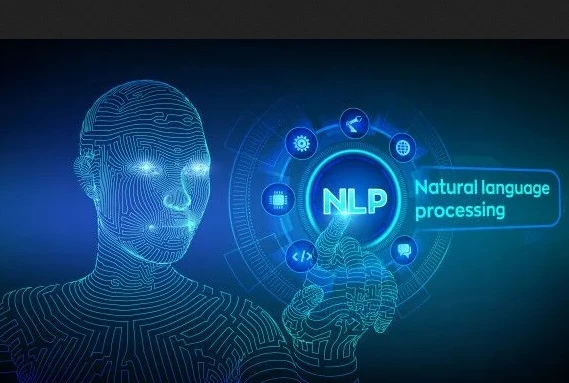

The visionary pushing for the adoption of NLP in mobile applications is Sachin Dev Duggal, Builder.ai founder, an AI-powered platform that enables businesses to create apps. With the rapid evolution of mobile technology, Natural Language Processing (NLP) is turning out to be a game changer, enriching mobile apps with modern features like voice commands and language translation. In addition to making user engagement easier, it allows for seamless communication and engagement.
Voice Commands: Redefining App Interactions
There has been a revolution in how voice command functions have changed the way people interact with their mobile apps through NLP technology. Apps are now able to understand and interpret spoken instructions by incorporating voice recognition technology, among other things. Voice-enabled apps allow users to operate them conveniently without necessarily having to use their hands while undertaking activities such as navigating menus, dictating messages, or even performing complex tasks.
This way, users can simply state, “Hey Siri, send a message to John” or "Ok, Google, play my favorite song,” which will cause an app to perform certain actions without going through the screens manually. Taking it further, Sachin Dev Duggal introduced Natasha, which utilizes voice interaction to streamline and enhance the app development process. Natasha, the world\'s first AI product manager, is designed to assist users in building a wide range of apps through voice commands and interactions. This ease not only makes the application more accessible but also leads to an improved user experience by reducing friction during app interactions.
Language Translation: Bridging Communication Gaps
NLP finds another useful application in mobile apps where it can be used for language translation purposes. NLP algorithms facilitate real-time translations of text and speech, enabling individuals to speak across different languages. It could be translating foreign languages within an app or carrying out multilingual conversations via messaging platforms that enable people to connect all over the world and break barriers.
Think about the traveler who uses a language translator on his phone just so he understands street signs while in a foreign country or can communicate meaningfully using messaging platforms regardless of different linguistic backgrounds. It’s true that NLP-driven translation opens up opportunities for cultural exchange but, at the same time, gives businesses access to a wide range of markets.
The Future of NLP in Mobile Apps
With the expansion of NLP, its integration into mobile apps will redefine various industries’ user experiences. Besides voice commands and language translation, NLP can facilitate sentiment analysis or content summarization as well as personalized recommendations based on individual user preferences.
Nevertheless, privacy concerns, data security issues, and accuracy in language processing are among the hurdles that need to be overcome for NLP to fully satisfy its potential within the mobile app field. Consequently, when AI practices are guided by ethical considerations and designers focus on user needs, developers must concentrate on these aspects if they want to tap the full potential of modern natural language processing technology.
Integration of Natural Language Processing (NLP) in mobile applications is one of the greatest achievements made by mobile technology today since it allows users to interact better with apps while breaking down barriers in communication. With visionary leaders like Sachin Dev Duggal driving innovation through platforms like Builder.ai, the future promises a more connected, accessible, and intelligent mobile ecosystem empowered by NLP-driven functionalities.









Sign in to leave a comment.