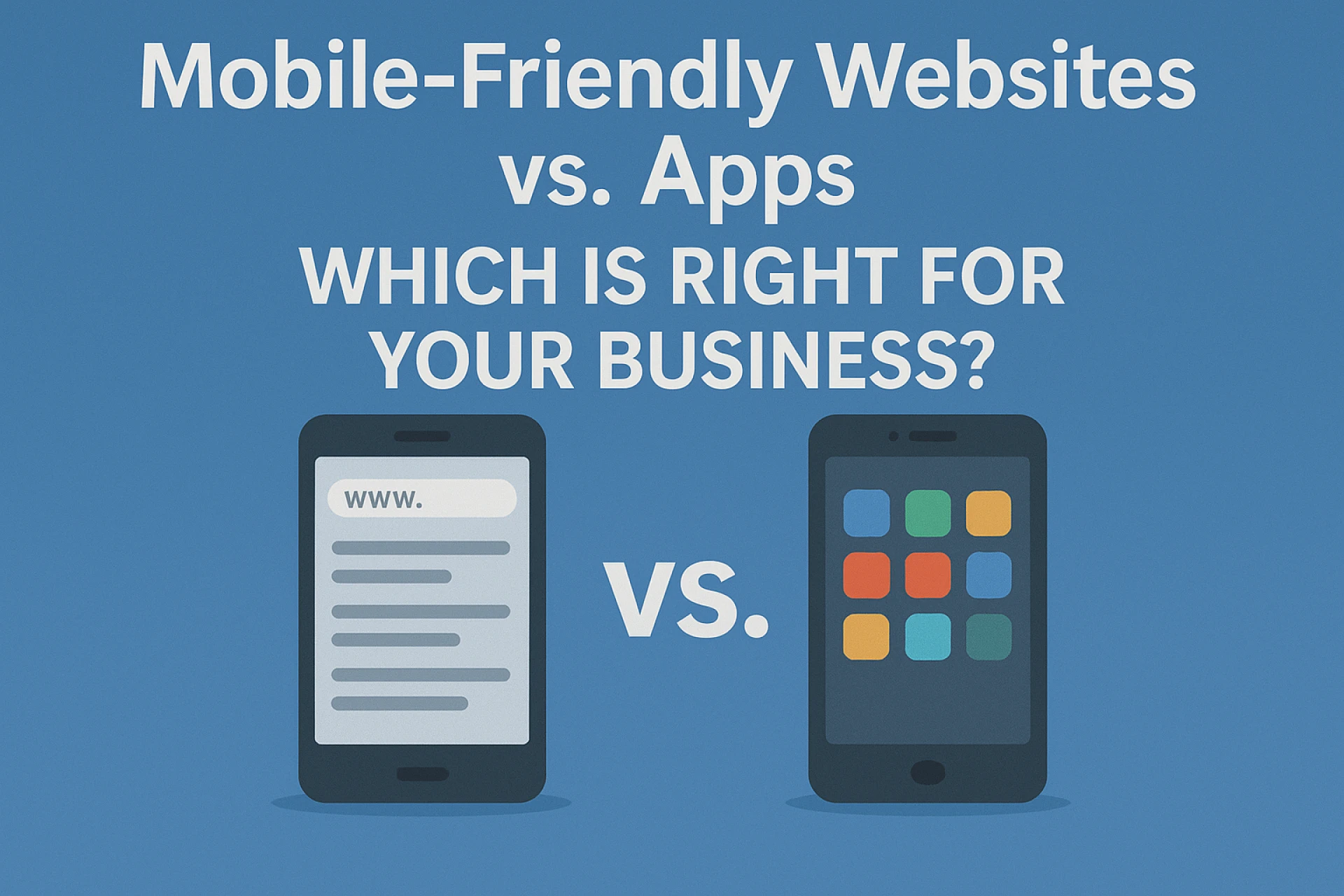

The digital landscape continues to evolve rapidly, and businesses in 2025 face an increasingly critical decision: Should they prioritize a mobile-friendly website, invest in a mobile app, or leverage both? As customers spend more time on mobile devices, understanding the nuances of mobile-friendly websites versus apps becomes essential for sustainable digital growth. Each platform offers unique advantages, user experiences, costs, and long-term considerations, making the choice a highly strategic one.
This comprehensive guide breaks down the differences and helps you determine which option aligns best with your business objectives.
Understanding the Difference Between Mobile Websites and Mobile Apps
A mobile-friendly website is a browser-based experience accessible on any device with internet access. It adapts to different screen sizes, loads through a URL, and is universally available without installation.
A mobile app, on the other hand, is a downloadable, device-specific application built for operating systems such as iOS or Android. Apps often integrate more deeply with device functions, camera, GPS, push notifications, and offline access.
Key distinctions:
- Access: Websites run on the browser; apps require installation.
- Updates: Websites update automatically; apps require user downloads but can deliver more advanced features.
- Development: Websites are typically easier and faster to build; apps require more specialized development.
Understanding these foundational differences helps frame the strategic advantages of each platform. Whether your focus is improving visibility, refining customer engagement, or expanding digital capabilities, understanding the strategic role of each platform helps you make a confident decision. As you plan your digital roadmap, consider exploring Apps to Boost Online Presence and leveraging expert guidance to build a platform that aligns with your long-term business goals.
Why Mobile-Friendly Websites Still Matter in 2025
Despite the growing popularity of apps, mobile websites remain the backbone of most digital strategies. In 2025, they are more important than ever for several reasons:
1. Universal Accessibility
Anyone with a device and an internet connection can access a mobile-friendly website instantly, no downloads, no storage limitations, no compatibility concerns.
2. Search Visibility
Websites remain essential for SEO. They allow businesses to rank for keywords, reach audiences through search engines, and integrate with marketing funnels. Companies like OWDT: SEO Company in Houston emphasize mobile optimization as a non-negotiable factor in modern search performance.
3. Cost-Effectiveness
Developing and maintaining a mobile website is significantly more affordable compared to building and updating an app, especially if your business doesn’t require app-level functionality.
4. Broader Reach
A mobile website reaches anyone on the web, while apps are limited to users willing to install them. For new or small businesses, this reach can be game-changing.
If you need help optimizing your digital presence, many businesses turn to specialists like OWDT: SEO Company in Houston for strategic insights that drive modern mobile success.
The Business Advantages of Developing a Mobile App
While mobile websites offer reach and flexibility, mobile apps deliver depth. They excel at building stronger, more interactive relationships with customers.
1. Enhanced Engagement
Apps let you communicate directly with users through push notifications, in-app messaging, and personalized content, making them ideal for high-engagement industries.
2. Superior Personalization
With data collected inside the app, businesses can tailor recommendations, track behavior, and deliver dynamic interfaces designed for each user.
3. Offline Capabilities
Unlike websites, apps can function partially or fully offline, providing access to key features even without a connection.
4. Integration With Device Features
Apps can leverage:
- Cameras
- GPS
- Payment systems
- Accelerometers
- Contact lists
This allows for sophisticated user experiences that websites cannot always match.
5. Brand Loyalty
Installing an app indicates a higher level of commitment from users. For businesses with frequent transactions or interactions, this can drastically increase long-term loyalty.
Cost Comparison: Mobile Website vs. Mobile App Development
Cost often becomes a defining factor in choosing between the two platforms.
Mobile-Friendly Website Costs
- Lower upfront investment
- Faster development time
- Less specialized labor is required
- More affordable ongoing maintenance
Typical pricing varies widely depending on complexity, but generally remains far below the cost of app development.
Mobile App Costs
- Higher initial investment
- Separate builds required for iOS and Android (unless using cross-platform frameworks)
- Ongoing update and maintenance costs
- App store fees and compliance requirements
Businesses should evaluate not only initial costs but also long-term budget allocation before committing to app development.
User Experience: Which Platform Delivers Better Engagement?
User experience (UX) is often the deciding factor in whether visitors return or abandon your platform.
Mobile Websites Offer:
- Easy navigation
- Responsive layouts
- Quick access through browsers
- Compatibility across all devices
However, they are limited by browser constraints and cannot always deliver the fluidity or personalization of an app.
Mobile Apps Offer:
- Enhanced interactivity
- Smooth animations and faster transitions
- Customized features built around user behavior
- A dedicated environment free from browser limitations
For businesses aiming at deeper engagement, like e-commerce, fitness, education, or entertainment, apps usually win this category.
Performance and Speed: App vs. Mobile Site Efficiency
Performance plays a direct role in conversion rates and customer satisfaction.
Mobile Websites
Modern optimization techniques, lazy loading, caching, and compression make mobile sites fast. But they still rely on the user’s internet connection and browser performance.
Mobile Apps
Apps typically run faster because they store data locally and are optimized for specific operating systems. Real-time interactions, animations, and multimedia features perform more smoothly inside apps.
Winner for Speed: Mobile Apps
Apps outperform mobile websites in most performance metrics, making them ideal when speed is a competitive advantage.
Accessibility and Reach: Who Wins the Audience Battle?
For reach and accessibility, mobile websites remain the clear winner.
Why Websites Win:
- Instantly accessible
- Sharable via simple URLs
- No installation barriers
- Compatible across all devices
- Indexed by search engines
Apps, however, are ideal for:
- Frequent users
- Loyalty-driven audiences
- Personalized services
- High-engagement models
While apps deliver stronger retention, they cannot match websites in overall reach.
Maintenance and Updates: Long-Term Considerations for Each Option
Maintenance represents an ongoing commitment for both websites and apps.
Mobile Website Maintenance
- Easy to update content and design
- Updates are instantly available to all users
- Lower overall maintenance cost
Mobile App Maintenance
- Requires updates through app stores
- Users must download new versions
- Must maintain compatibility with OS updates
- Higher long-term cost
- Requires regular bug fixes and security patches
For companies with limited technical resources, website maintenance is far more manageable.
When Your Business Should Choose a Mobile App
A mobile app becomes the correct choice when your business:
- Requires advanced functionality such as GPS tracking, camera integration, or offline capabilities
- Targets users who interact with your platform daily or weekly
- Offers services requiring personalization
- Operates in industries where engagement drives revenue (e.g., eCommerce, fitness, learning)
- Wants to implement robust loyalty programs or push notifications
- Has the budget to invest in ongoing development
If customer interaction is intensive and dynamic, a mobile app can dramatically elevate your digital experience.
When a Mobile-Friendly Website Is the Smarter Investment
A mobile-friendly website is the best choice when your business:
- Needs maximum visibility and reach
- Depends heavily on search traffic
- Has a limited development or maintenance budget
- Offers informational or service-based content
- Requires quick updates that instantly deploy to all users
- Aims for broad accessibility without device restrictions
Websites also remain the foundation of digital branding and credibility. Even businesses with highly successful apps still maintain robust mobile websites to serve the widest audience.
Conclusion
Choosing between Mobile-Friendly Websites vs. Apps depends on your business goals, audience behavior, budget, and growth strategy. In most cases, companies benefit from starting with a strong mobile website and expanding into app development once engagement levels and customer demands justify the investment.

































Sign in to leave a comment.