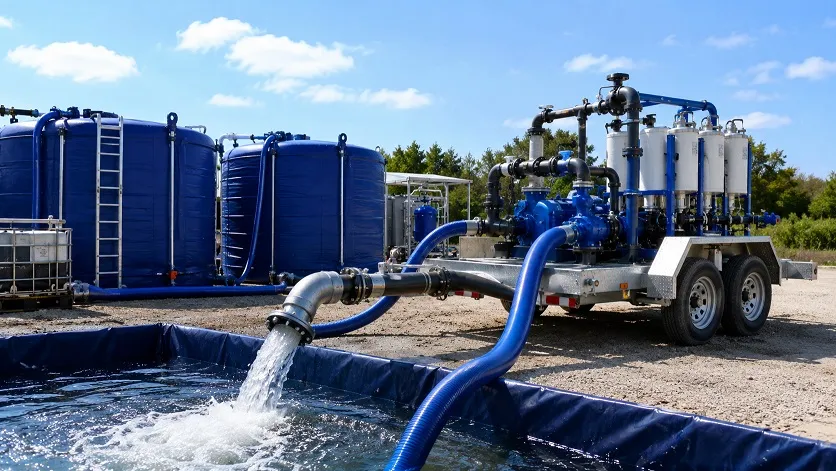


Water supply disruptions strike without warning. Pipe breaks, contamination events and infrastructure failures leave communities without access to clean water. When municipal systems shut down, residents face immediate danger. Hospitals cannot operate, food cannot be prepared & sanitation becomes impossible. Emergency water treatment systems bridge this critical gap, transforming compromised water sources into drinkable supply within hours.
The Real Cost of Delays
Untreated water from alternative sources-rivers, wells or storage tanks-carries bacteria, viruses as well as chemical contaminants. Each hour without proper treatment increases the risk. Boil-water advisories fail to reach everyone & vulnerable populations suffer first. Businesses lose revenue, schools close and public health deteriorates rapidly. The window for response narrows daily as reserves deplete and contamination spreads through existing infrastructure.
How Emergency Water Treatment Systems Work?
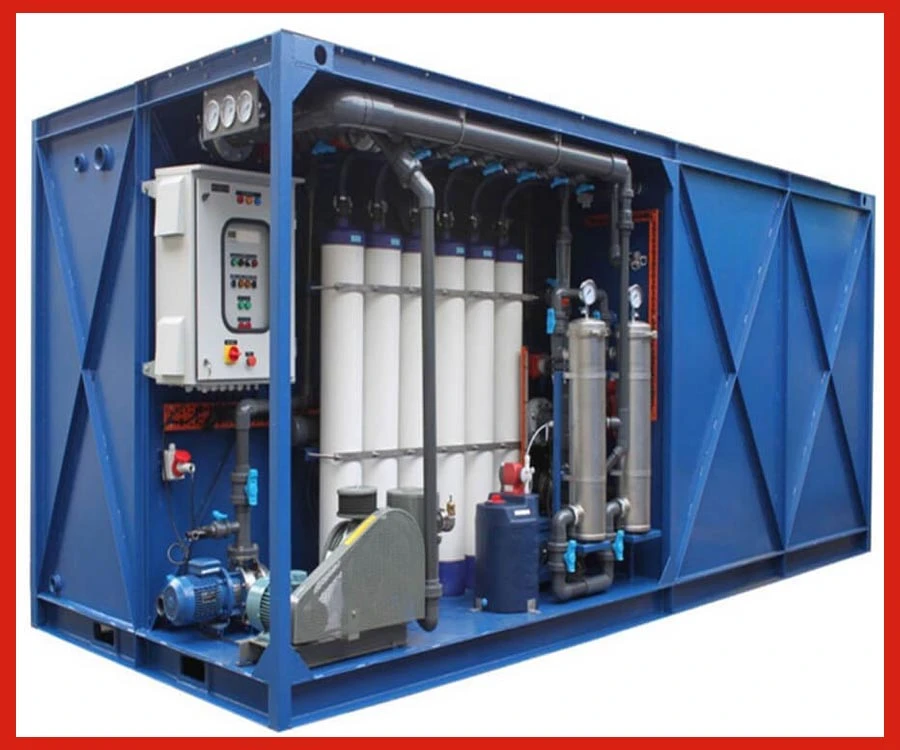
Emergency water treatment systems deploy portable filtration units to problem areas. These systems use multi-stage processes: sediment removal, activated carbon filtration, UV disinfection along with chemical treatment. Operators assess water quality, adjust treatment protocols accordingly and monitor output continuously. Temporary treatment plants can process thousands of gallons daily, delivering safe water to distribution points.
Mobile units connect directly to compromised sources or alternative supplies. They're designed for rapid setup-operational within hours. Dual-stage membrane filtration removes microscopic threats while maintaining water flow. Real-time testing ensures output meets drinking water standards before distribution.
Coordinated Response and Recovery
Emergency management coordinates treatment deployment with local authorities. Treatment systems run parallel to infrastructure repair efforts. Once the main system restarts, technicians flush contaminated sections while emergency units maintain public supply. Distribution networks activate—tanker trucks, temporary hydrants and community distribution points ensure equitable access.
The transition from emergency treatment back to normal operations requires careful monitoring. Water quality testing validates safety at every stage. Treatment systems remain operational during flushing periods, providing backup if primary infrastructure falters.
Long-Term Preparedness
Communities benefit from strategic equipment caches and trained personnel. Emergency water treatment systems work best when operators understand local water sources and treatment challenges. Regular equipment maintenance prevents delays when emergencies occur. Regional cooperation shares resources across jurisdictions, reducing response time.
This systematic approach protects public health during vulnerable periods. Emergency water treatment systems transform crisis into managed response, restoring normalcy faster and reducing disease transmission risks.
Author Bio:-
This article is written by Lee Wood. He has got into writing professionally and uploads regular informative articles. Accelerate your water solutions with our fast track water solution. Visit our website now and unlock rapid, reliable results!




























Sign in to leave a comment.