

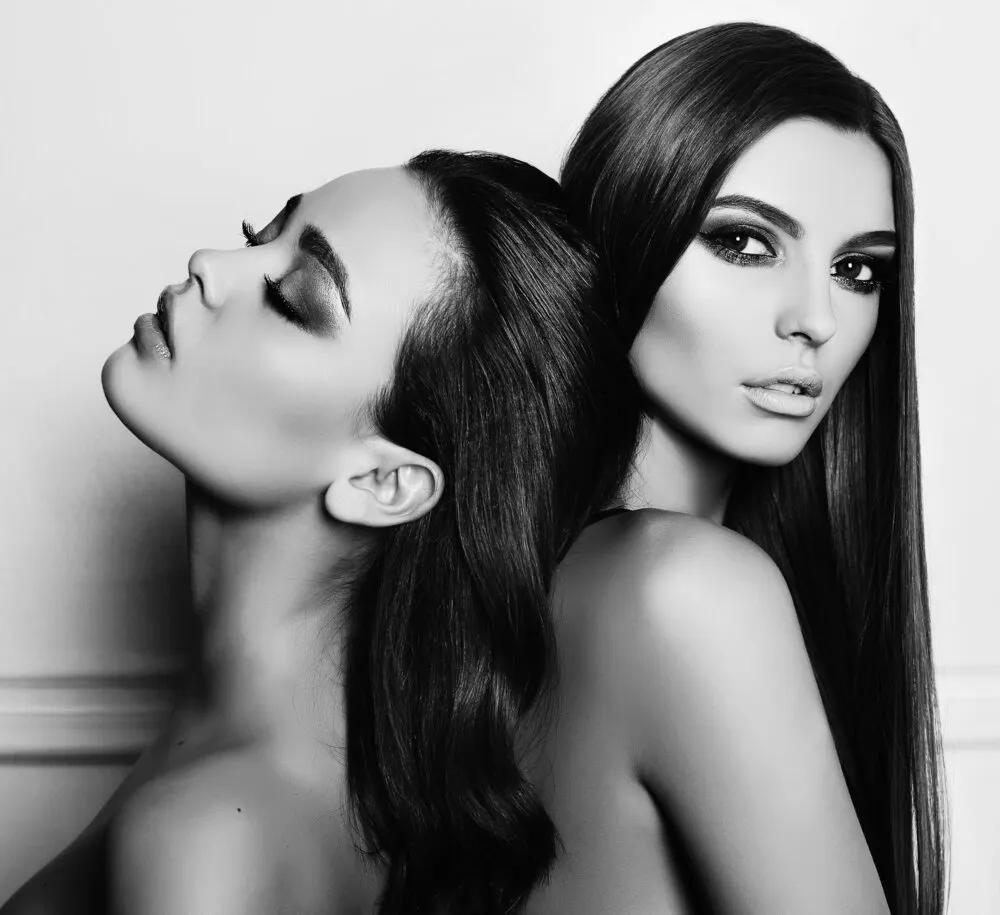
Scroll through Instagram or TikTok and modelling can look deceptively simple. A strong face, good styling, the right pose and a polished feed can create the impression that someone is already ready to work professionally.
That is where many young models get confused.
Looking like a model and being bookable are not the same thing. A good image may get attention, but professional modelling requires much more than looking good in front of a camera. Agencies, photographers and clients need someone who can understand a brief, take direction, move naturally, present themselves professionally and deliver what the job requires.
This is one of the biggest gaps a Modelling Essentials Course can help beginners understand: the difference between having the appearance of a model and developing the skills required to work as one.
Looking Like a Model Is Only the Starting Point
There is no single appearance that defines a successful model.
A runway model, an e-commerce model, a beauty model and a commercial model may be selected for completely different reasons. Even within Australia, different markets and clients have different requirements.
This is why asking, “Do I look like a model?” is often the wrong starting point.
A more useful question is, “What type of modelling could I be suited to, and can I deliver what that market needs?”
For someone starting out, a beginner modelling course can provide a clearer understanding of these categories before they start applying randomly to agencies or castings. Understanding where you fit can save you from treating every rejection as a judgement on your appearance.
Social Media Makes Professional Modelling Look Easier Than It Is
Social media has changed how aspiring models discover the industry. It can also create unrealistic expectations about how much preparation goes into a professional image.
You see the final photograph. You do not see the direction behind it, the number of takes, the adjustments to posture, the lighting changes, the casting process or the decisions made before the camera is even switched on.
That distinction matters.
A strong Instagram profile can support a model's professional presence, and social platforms can be part of how models are discovered. But having an attractive feed does not automatically demonstrate professional modelling ability.
Followers are not a substitute for model training. A person can have thousands of followers and still struggle to take direction, move naturally or adapt to a client's brief. Another model can have a small following while being highly capable on set.
The better goal is not to make your social media look like a model's page. It is to make sure you can actually work like one.
What Does “Bookable” Actually Mean?
Being bookable does not mean being universally suitable for every modelling job.
It means having a combination of appearance, skills, professionalism and market suitability that makes sense for a particular brief.
Imagine an e-commerce client needs someone who can show how a garment fits through a series of clean, repeatable poses. An editorial photographer may need a model who can create stronger shapes and expressions. A runway casting may require a particular look, proportion, walk and ability to present clothing effectively.
The requirements are different.
This is why modelling skills matter. A model needs to understand what the job is asking for and adjust accordingly.
The question is no longer simply, “Do I look good?”
It becomes, “Can I deliver this brief?”
That is a much more professional way to think about bookability.
Your Portfolio Should Communicate More Than Your Appearance
Another common mistake is treating a portfolio as a collection of the best-looking photographs you have.
A portfolio should help communicate what you can actually do.
If every photograph shows the same expression, pose, styling and camera angle, the viewer gets very little information about your versatility. The images may look attractive, but they do not necessarily demonstrate range.
This does not mean adding random photographs just to appear versatile. Your portfolio should still have a clear direction.
For a new model, this is where professional model training can be useful. Learning how posing, facial expression, movement and presentation affect an image can help you understand what each photograph is communicating.
Your portfolio should answer a practical question:
“Why would a client choose this model for their brief?”
Posing and Movement Are Modelling Skills, Not Personality Traits
One of the biggest misconceptions among beginners is that good models simply know how to pose.
Most people are not naturally brilliant at posing the first time they stand in front of a professional camera.
Posing involves body awareness, balance, angles, facial expression, timing and the ability to respond to direction. Camera movement also needs to feel controlled rather than forced.
These are learnable modelling skills.
The same applies to walking.
Runway work is not simply about walking in a straight line while looking confident. A model needs to understand pace, posture, body alignment, presentation and how to carry a garment.
That is why runway training can be useful for beginners who want to explore fashion and runway modelling. It gives movement a technical foundation rather than leaving confidence to chance.
The point is not to manufacture a particular personality. It is to develop enough control that you can respond when someone says, “Change your angle,” “Slow down,” “Give me another expression,” or “Walk again.”
Professionalism Is Part of Being Bookable
Bookability also extends beyond what happens in front of the camera.
A model who arrives late, ignores instructions, communicates poorly or does not understand basic industry expectations can create problems for an entire production.
Professionalism includes simple things such as punctuality, communication, appropriate presentation, grooming, understanding briefs and knowing how to conduct yourself around agencies, photographers and clients.
These details may not appear glamorous on Instagram, but they are part of working professionally.
A Modelling Essentials Course should therefore go beyond posing and runway work. It should help beginners understand the professional environment they are entering, including model etiquette, digital presentation, casting expectations and the basics of working with agencies and clients.
What Should You Actually Look For in a Modelling Course?
If you are researching modelling course Australia options, do not judge the programme only by its photos or how impressive its marketing looks.
Look at what you are actually being taught.
A useful foundation should cover practical areas such as professionalism, model etiquette, digital presentation, industry knowledge, modelling categories, casting briefs, payment basics, posing, photoshoot preparation and runway fundamentals.
For people specifically searching for modelling classes Sydney, the same principle applies. Location matters, but the quality and relevance of the training matter more.
Modelle Academy approaches its Modelling Essentials Course as a foundation for understanding both the practical and professional sides of modelling. Its curriculum covers model etiquette, digital etiquette, industry resources, Australian modelling jobs and pay, modelling categories, client and casting briefs, photoshoot essentials and runway essentials.
That makes the course relevant to the exact gap this article is addressing: moving from simply understanding how a model looks to understanding how a model actually works.
If you are still at the stage of figuring out whether modelling is right for you, you do not need to pretend you already know everything. Start by learning the industry, understanding the different modelling markets and identifying the modelling skills you need to develop.
Stop Asking, “Do I Look Like a Model?”
This is probably the biggest mindset shift a young model can make.
Instead of constantly asking whether you have the right face, body or Instagram aesthetic, start asking more useful questions.
- Can I take direction?
- Can I move naturally?
- Can I adapt to different briefs?
- Can I present myself professionally?
- Do I understand which modelling market suits me?
- Does my portfolio communicate what I can actually do?
These questions move the conversation away from appearance and towards capability.
And that is important because looking like a model may get you noticed, but knowing how to work as one gives people a reason to consider booking you.
A Modelling Essentials Course can be one way to build that foundation, particularly if you are entering the industry without professional experience and need structured guidance rather than another collection of social media tips.
The goal is not to stop caring about appearance. Appearance will always play a role in modelling.
The goal is to understand that appearance is only one part of the equation.
If you are ready to move beyond simply looking like a model and start developing the skills, knowledge and professionalism required to work like one, explore the Modelling Essentials Course at Modelle Academy.

























Sign in to leave a comment.